News

Korean Repeat Order: Distribution Box Packaging in 3 Steps

2026-11-04 0 Leave me a message

Korean Repeat Order: Distribution Box Packaging in 3 Steps

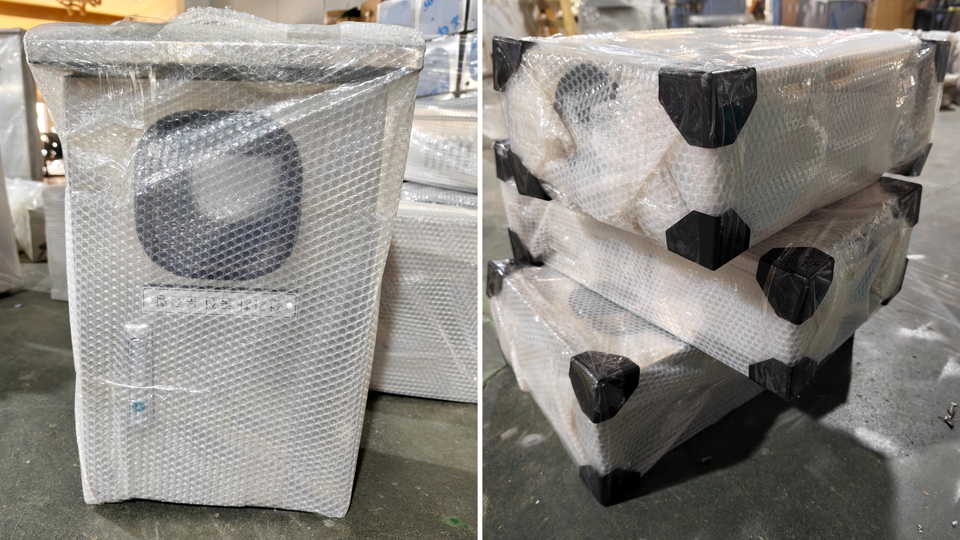
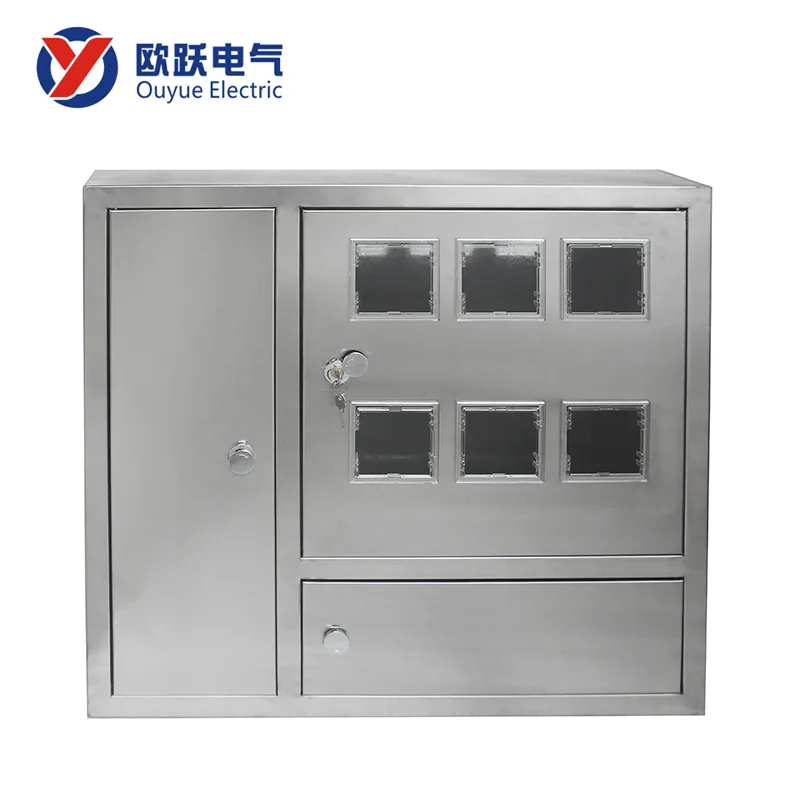
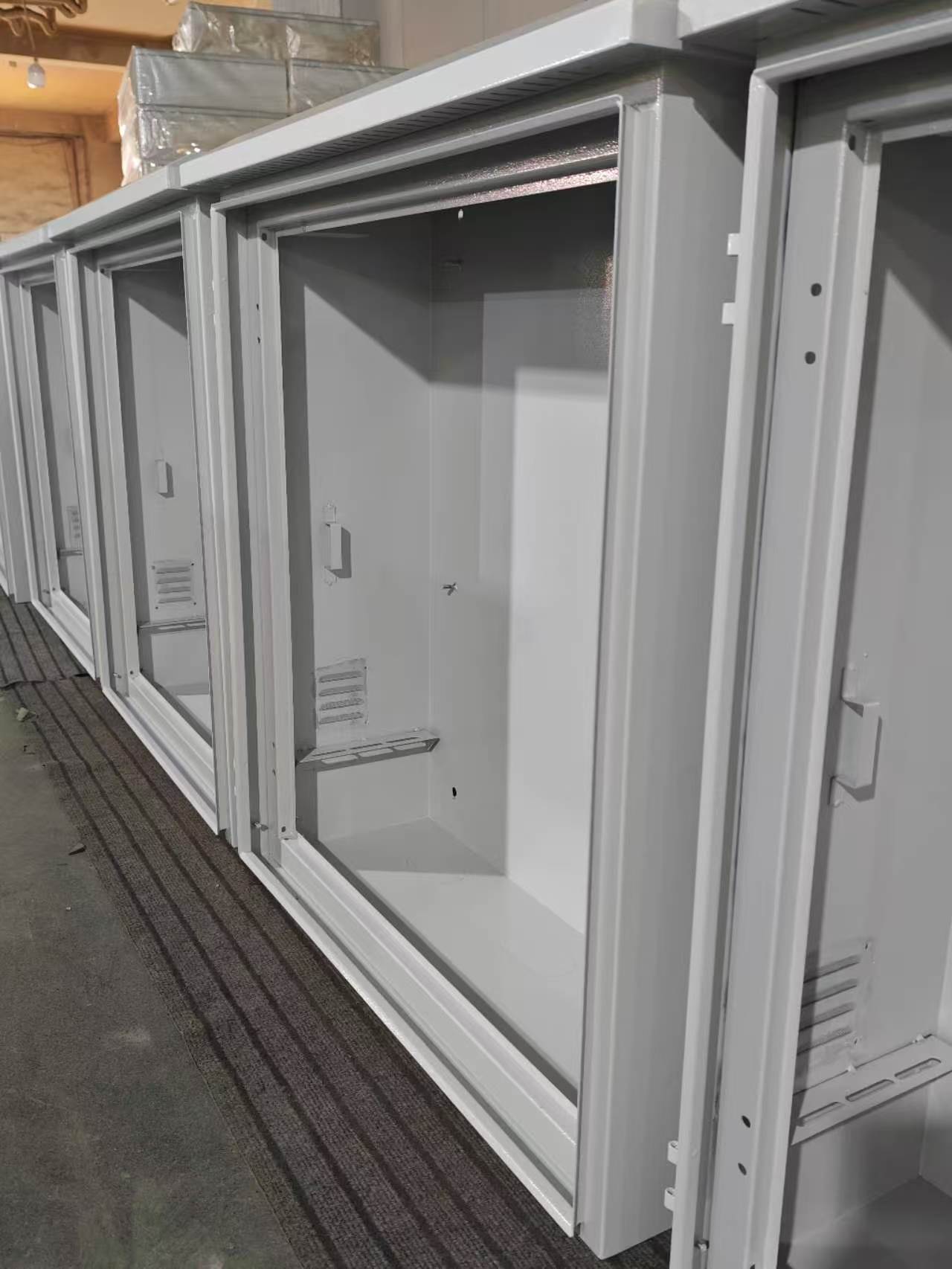
Ouyue Electric finished a batch of distribution boxes with transparent viewing windows in the first week of November. The buyer is a returning customer from South Korea with earlier orders on record, so the batch counts as a repeat purchase. The batch has moved into distribution box packaging: bubble film first, plastic corner protectors on all eight corners, corrugated cartons last.

A repeat order removes the early stages

A repeat order removes the early stages. Drawings stay as issued, and box dimensions, cutout positions and label language carry over from the previous batch. Packing also starts from the arrival feedback on the last shipment. A repeat order is the most direct acceptance test, because the previous batch arrived without transport damage and the buyer placed the next batch on the same line. Distribution box packaging improves one order at a time.

Step one: bubble film

The first step is bubble film. The inside of each box is blown clean of chips and dust before wrapping, and door gaps and hinges get a separate wipe. Film runs from the bottom upward for two or three layers, with the bubble side facing the panel, and protruding locks, hinges and nameplates take an extra turn. Film must be pulled tight. Loose film shifts inside the carton, and shifting film wears the coating.

Step two: plastic corner protectors

The second step is the plastic corner protector, also called a corner guard. One piece goes on each of the eight corners and separates the edges from the carton wall. Size follows sheet thickness and box weight, and a light-gauge box takes a wider protector, because the larger contact area spreads load without collapsing.

Edges are the most neglected part of distribution box packaging. Powder coating is thinnest at the bend, a knock exposes substrate, and one sea voyage starts rust at the corner. A protector turns point load into surface load, so the weight of the box above never lands directly on the corner below.

Step three: cartons

The third step is the carton. Internal size equals the outer envelope of the box plus film thickness plus protector thickness, with two or three millimetres of clearance. Flute count follows box weight and stack height rather than box size alone. Honeycomb paper or foam blocks fill the voids so the box cannot move in transit, and strapping goes on wherever the buyer asks for strapping.

Step Material Problem solved
One Two to three layers of bubble film, doubled at the window Coating wear, knocks on protruding parts, pressure at the glazing
Two Plastic corner protectors, eight per box Exposed substrate at edges, corner collapse under stacking
Three Corrugated carton with filling Movement inside the carton, softening from absorbed moisture

The window takes one extra action

A box with a transparent viewing window takes one extra action. One layer of bubble film goes on each side of the window, and the window faces inward at packing so the panel does not sit against the corner of the neighbouring carton. The viewing window is the only part of the box with no coating underneath, so film tension stays moderate, and the surface should end up snug with no loose fold.

Dimensions are calculated per batch

Dimensions are calculated per batch. Take a floor-standing box with an 800 mm door height: two layers of bubble film add about 12 mm, corner protectors add 8 mm, and the carton internal size follows the total. An undersized carton forces the protectors flat and cancels the protection, while an oversized carton lets the box strike the carton wall. Distribution box packaging runs a fresh size sheet for every batch instead of copying the last one.

Pallets, stack height and export marks

Finished cartons go onto wooden pallets, and pallet size follows the carton footprint so no carton overhangs. Stack height for distribution box packaging is limited by box stiffness and carton compression strength together, and the lower limit governs.

Export marks go on the outside: buyer code, carton number, gross weight, carton dimensions and destination port. LCL cargo is handled many times, and clear marks let the yard and customs find a carton without opening the shipment. Water-resistant ink keeps the marks readable after rain.

The sea leg

Sea freight brings high humidity, stack pressure and repeated handling. Day and night temperature swings inside a container soften cartons as moisture builds, and corner protectors plus corrugated pads are cheap insurance. Cartons in the photos carry Korean labels in the buyer market language, so no relabelling is needed on arrival. Label position is fixed at the upper right of the door panel, clear of the coating and clear of inspection.

Specification

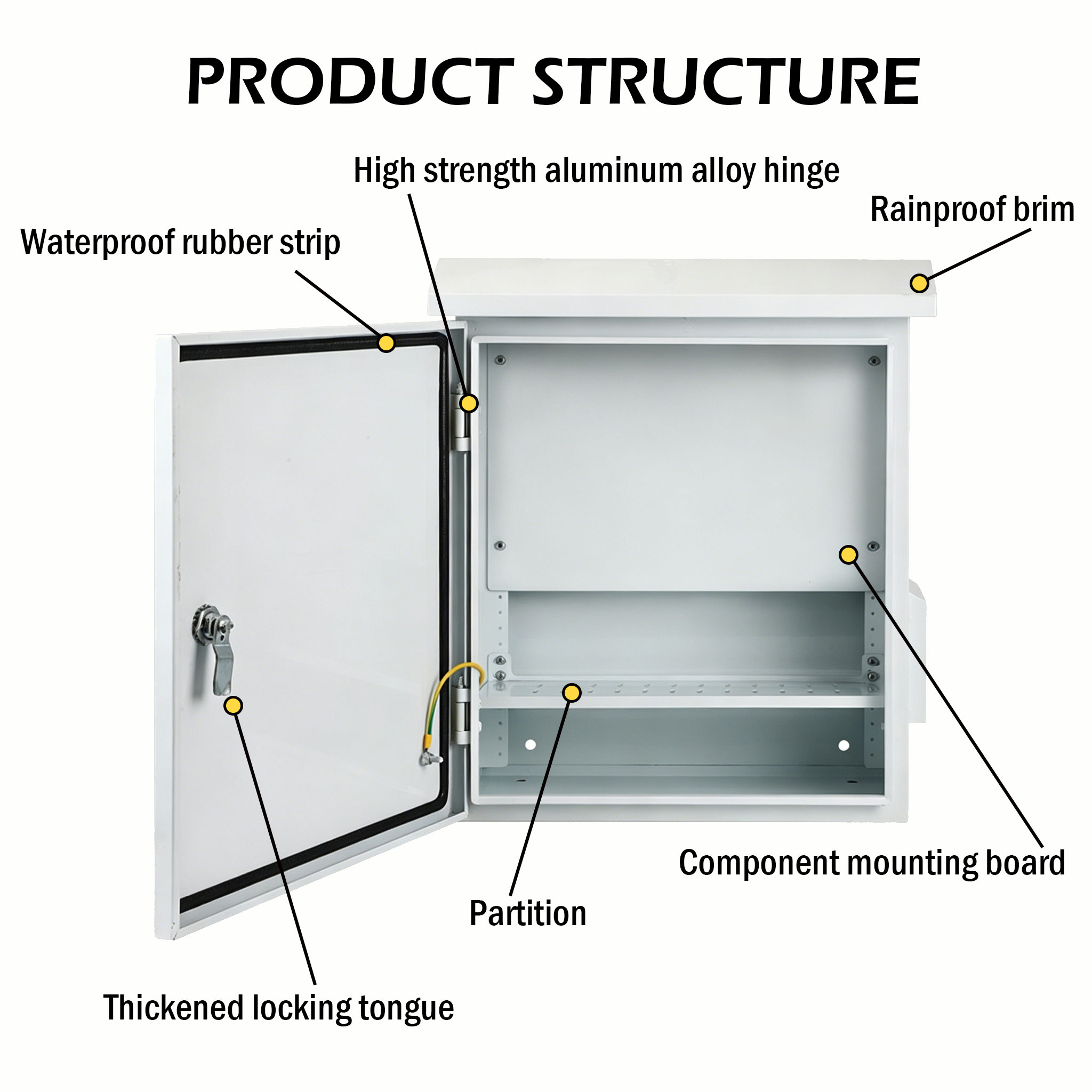
Box dimensions and sheet thickness are built to drawing. Material options are mild steel, 304 or 316 stainless steel. Protection ratings available in IP54, IP55, IP56 and IP65. CE certification is in place, and the minimum order is 10 pieces. Distribution box packaging follows export standard, with corner protectors, pads and pallets added on request.

The batch ships once packing finishes.

Related News
Leave me a message
X
We use cookies to offer you a better browsing experience, analyze site traffic and personalize content. By using this site, you agree to our use of cookies. Privacy Policy
RejectAccept