News

Distribution Box Material Selection: Steel or Stainless

2026-11-20 0 Leave me a message

Distribution Box Material Selection: Steel or Stainless

The same drawing can be built in carbon steel or in stainless steel. The two routes differ on the quotation sheet, and the two routes differ again in a photograph taken five years later. Distribution box material selection starts at the installation site, not at the first line of the budget: an indoor switch room, a sheltered outdoor bay and a coastal plant each point to a different answer.

The sections below work through environment, cost, fabrication and maintenance, and every judgement lands on a specific site condition. Once the material is fixed, sheet thickness and surface treatment have something to stand on.

Contents


1. Environment first, or budget first?

Start with the environment. Budget can be negotiated; the site cannot be changed. Indoors, a powder-coated carbon steel box runs ten years and more. Outdoors under direct rain, galvanised sheet with a powder coat reaches five to eight years. On a coast, in a chemical plant or at a wastewater works, chloride and acid mist work through any coating, and only a stainless steel distribution box holds.

Plot the installation on a map before choosing a material. The first question in distribution box material selection is whether the box sits under a roof, how far the site lies from salt water, and whether acid, alkali or salt mist is present.

2. When carbon steel is enough

Cold-rolled sheet is cut, bent, welded, ground and powder coated. Colour follows any RAL card, lead time runs shorter than stainless, the sheet costs less, and fabrication runs smoothly: springback stays small, and grinding plus powder hides the weld.

The weak point is a break in the coating. A cut edge, a weld seam or a scratch from a sling leaves bare metal, rust creeps outward and lifts the coating into a blister. Indoors, humidity stays steady and a break spreads slowly. Outdoors, day and night cycles drive condensation, and two years shows the damage. Where distribution box material selection lands on carbon steel, every cut edge gets a zinc-rich touch-up or paint, and the step is not optional.

3. Where the stainless cost sits

The extra cost sits in three places: sheet price, labour hours and surface work. Stainless work-hardens quickly, so bending needs more tonnage, springback runs larger and die compensation is recalculated. Welding needs TIG or a shielding gas, and pickling plus passivation follow the weld.

Passivation is the step most often dropped, and the loudest failure. Welding heat pulls chromium out of the zone beside the seam, the passive film breaks down, and the chromium-depleted band rusts first in a humid container. A buyer opens the crate, sees a yellow-brown seam and concludes the grade is wrong. Where the grade lands on stainless, passivation belongs on the process card.

4. 304 or 316L?

304 covers ordinary atmosphere, fresh water and normal indoor and outdoor sites, at the lower price. 316 and 316L carry molybdenum, resist chloride pitting far better, and suit coastal sites, offshore work, chemical plants and roads treated with de-icing salt.

304 on a coastal project is the most common mismatch. 304 pits in chloride too, and a pit runs inward from the surface, so the hole shows only after the wall has gone through. Distance from the sea is a poor test; salt deposition and wash frequency are better ones. Distribution box material selection here takes the conservative answer.

5. Can the sheet be thinner?

Stainless carries a higher yield strength than carbon steel, so the sheet can be thinner on paper. Stiffness follows the modulus of elasticity, and the two materials sit close together, so a thinner panel oil-cans more easily, door gaps drift and the box distorts under a sling.

Thickness is set by distortion control and lifting, not by strength. On a large floor-standing cabinet, the door panel calculated for stiffness often comes out thicker than the panel calculated for strength. Once distribution box material selection fixes the grade, thickness is checked cabinet by cabinet rather than carried across a whole range.

6. Why passivation follows welding

Stainless steel resists rust through a chromium-rich oxide film. Welding, grinding and cutting all break the film, and free iron lodges in the surface. Pickling removes scale and free iron, passivation rebuilds an even film, and the two steps only work together.

Shop-floor diagnosis is simple. A seam finishing black or yellow points to excess heat or poor shielding; brown speckles beside a seam point to passivation skipped or done halfway. Material and process sign-off both belong on the drawing note, next to the weld symbol.

7. The five-year ledger

Carbon steel wins the first quotation, and the fact stands. Add maintenance and the picture moves. A coastal carbon steel box takes a repaint every two to three years, and each repaint means a shutdown, scaffolding and masking. A stainless box takes a hose-down. Across five to eight years the gap narrows and can reverse.

Food, pharmaceutical and water treatment plants carry a second ledger. Washdown chemicals and steam attack coating, and a carbon steel box in a wash bay loses years. In a washdown zone, stainless is not an upgrade; stainless is the entry condition.

8. Six dimensions side by side

The table sets both materials against the six points a purchase team checks first.

Dimension Carbon steel (cold-rolled + powder) Stainless steel (304 / 316L)
Sheet cost Low, suits volume and budget-led projects High, highest in 316L, priced against current mill levels
Fabrication and lead time Small springback, grind and powder, short lead time Large springback, higher tonnage, pickling and passivation
Appearance Any RAL colour, scratches touched up Brushed or mirror, a scratch means a full re-brush
Corrosion Depends on coating integrity, a break becomes a starting point Depends on the passive film, 316L resists chloride
Maintenance Repaint every two to three years, shutdown and scaffolding Periodic hose-down, no repainting
Typical site Indoor switch room, server room, warehouse, covered site Outdoor, coastal, chemical, food, water treatment

9. Four recurring mismatches

Four combinations keep arriving in the inbox, and each one can turn into a claim after delivery.

Mismatch What follows Correct approach
304 on a coastal site Chloride pitting, holes run inward from the surface Move to 316L, or shorten the wash cycle and accept a shorter life
Stainless and carbon steel on one stack Iron particles embed in the surface, rust spots after sea freight Separate bays, dedicated grinding wheels and fixtures
No passivation after welding A chromium-depleted seam rusts before the parent metal Pickle and passivate, written on the process card
Untouched cut edges on carbon steel Rust blisters from the cut edge, the coating lifts Zinc-rich touch-up or paint, checked piece by piece before dispatch

10. Both materials under one roof

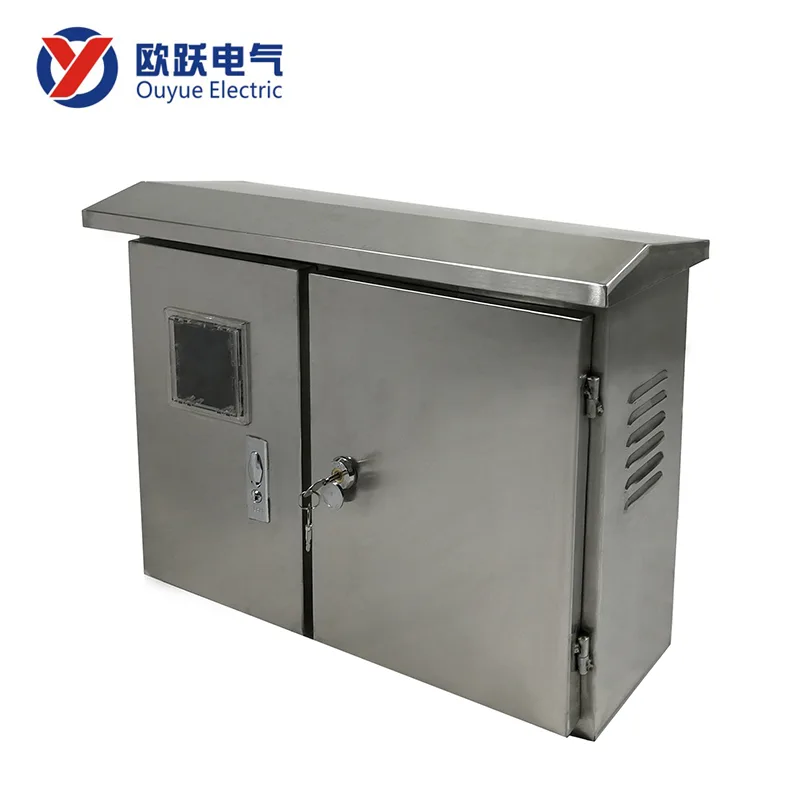
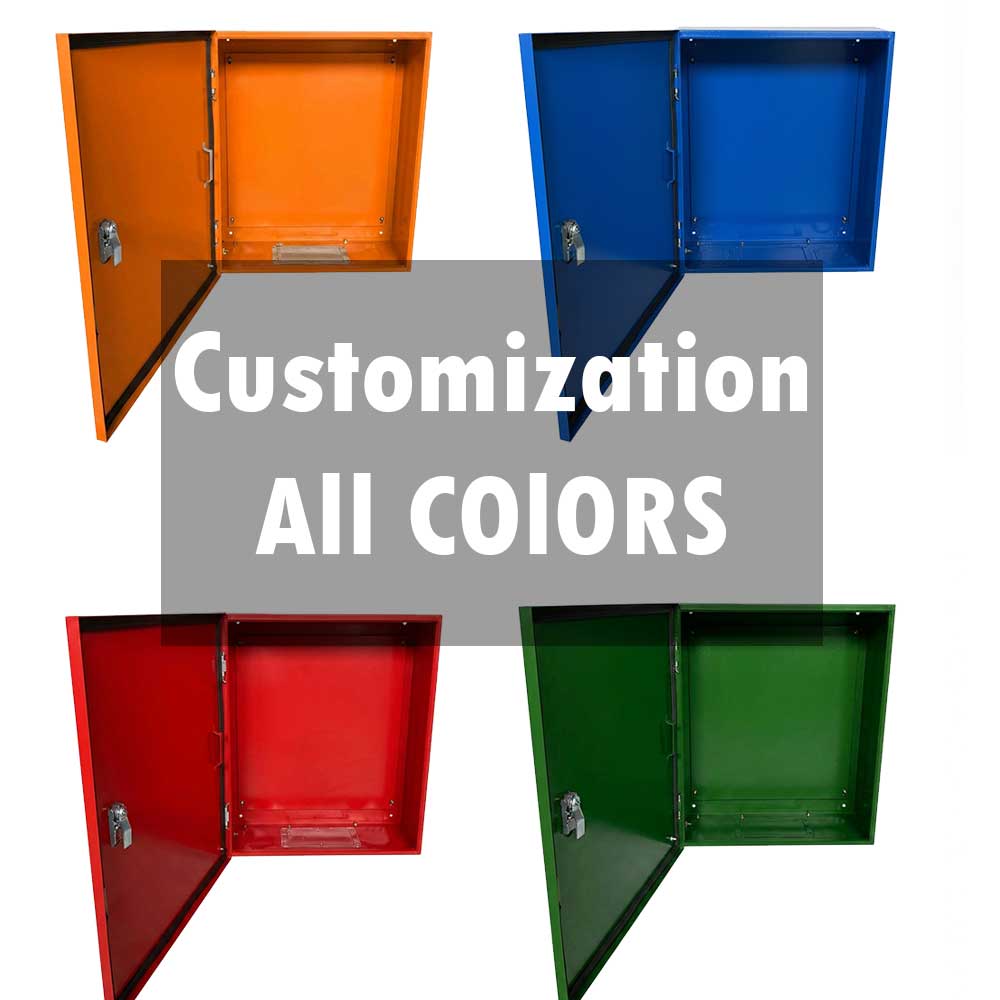
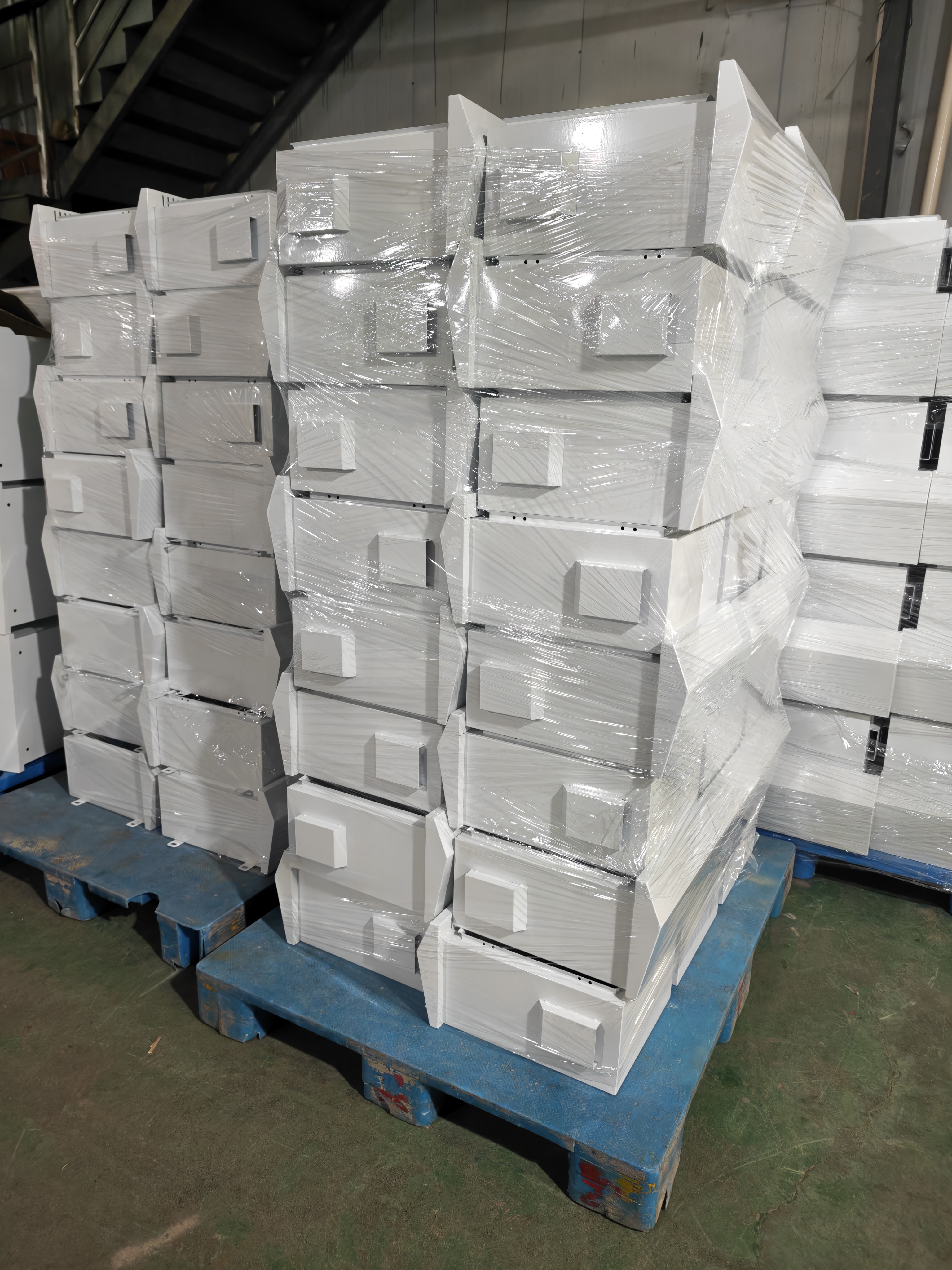
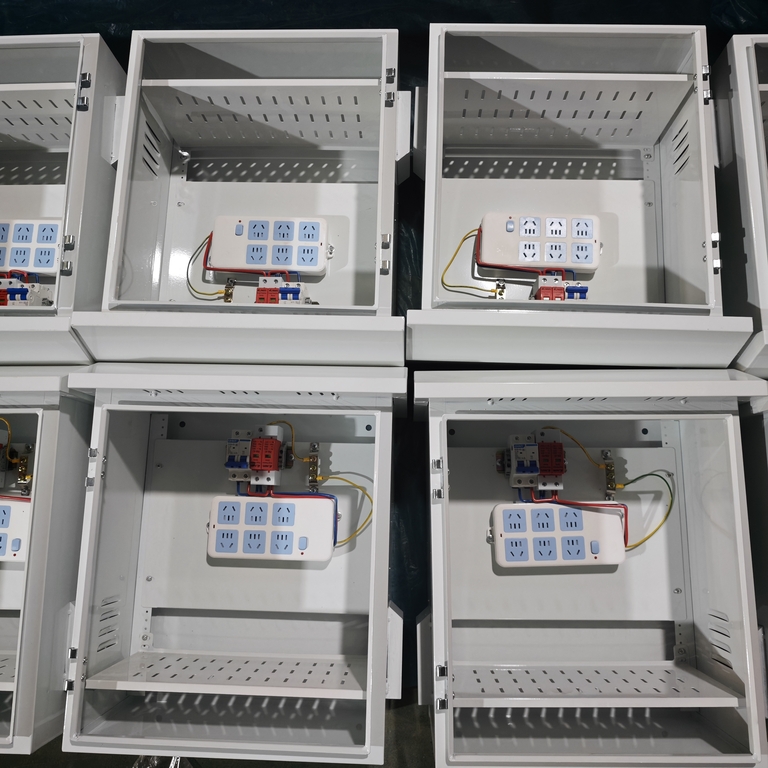
Ouyue Electric works in Liushi, Wenzhou, and builds iron enclosures and stainless enclosures on the same floor. Materials available are cold-rolled sheet, hot-dip galvanised sheet, 304 and 316 stainless steel. Protection ratings available in IP54, IP55, IP56 and IP65. CE certification is in place, drawings are worked to customer specification, and the minimum order is 10 pieces.

Where distribution box material selection is still open, send the installation environment, the box dimensions and the component list. Material advice comes back with the matching sheet thickness, quoted alongside both material options, and the buyer decides.

Related News
Leave me a message
X
We use cookies to offer you a better browsing experience, analyze site traffic and personalize content. By using this site, you agree to our use of cookies. Privacy Policy
RejectAccept