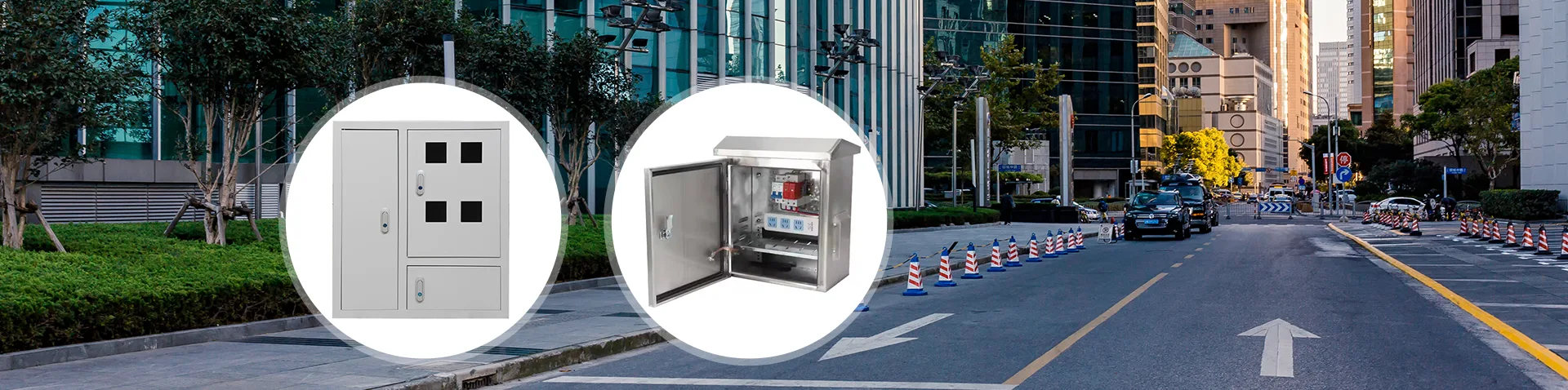
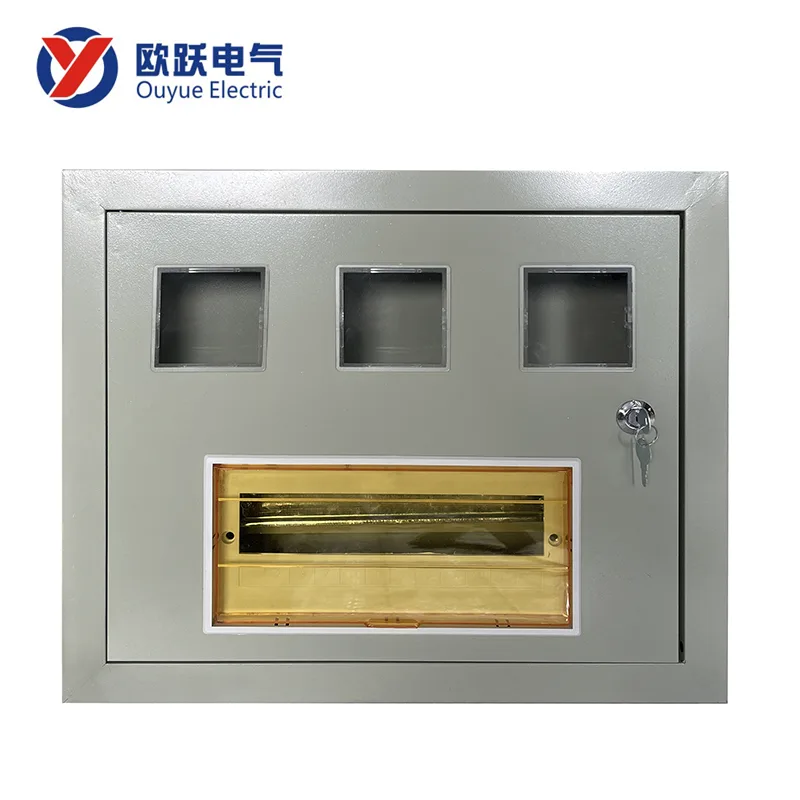
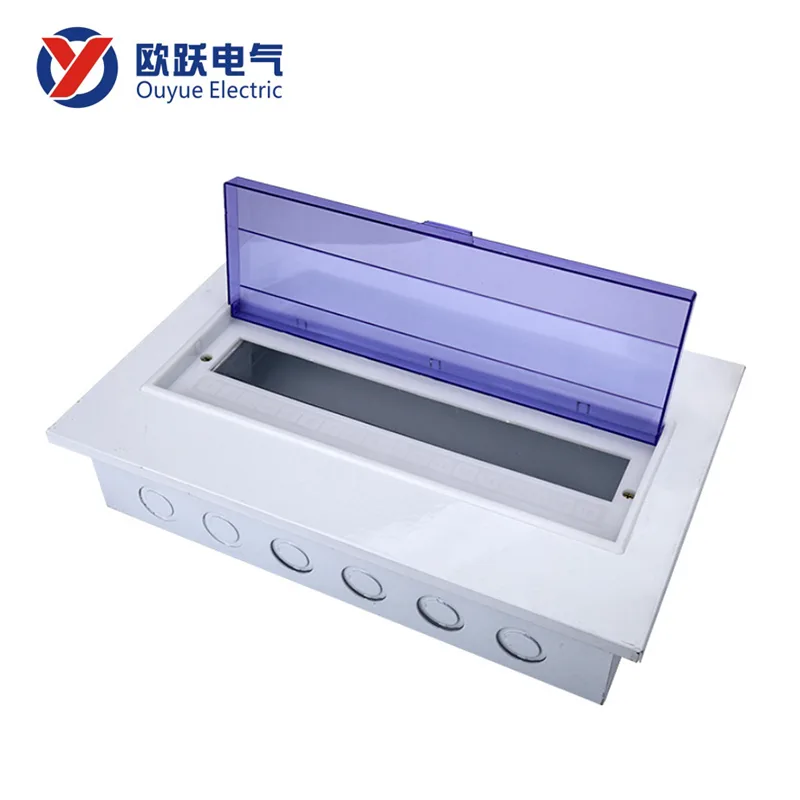
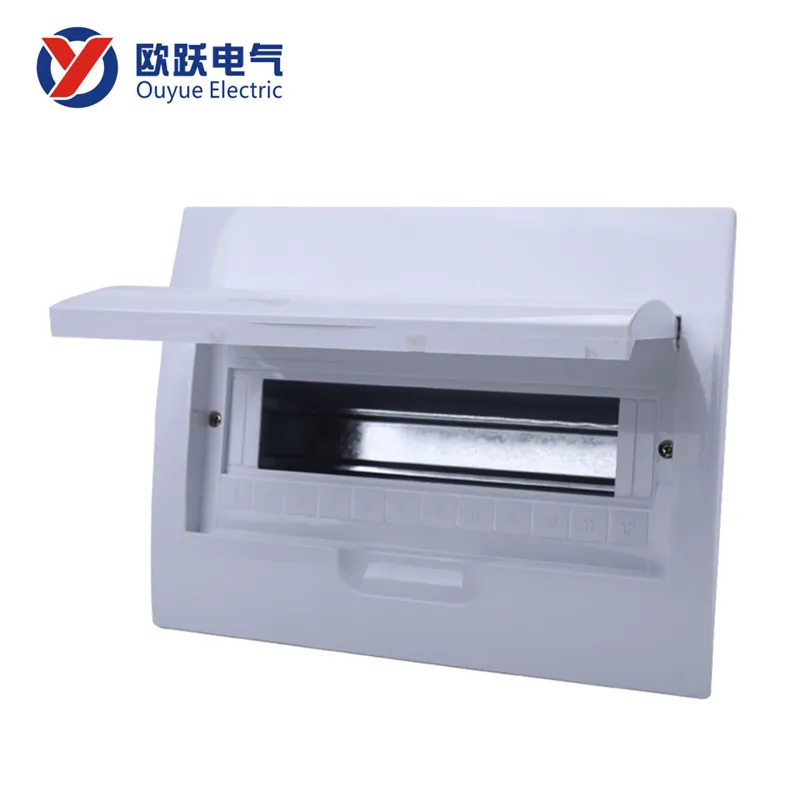
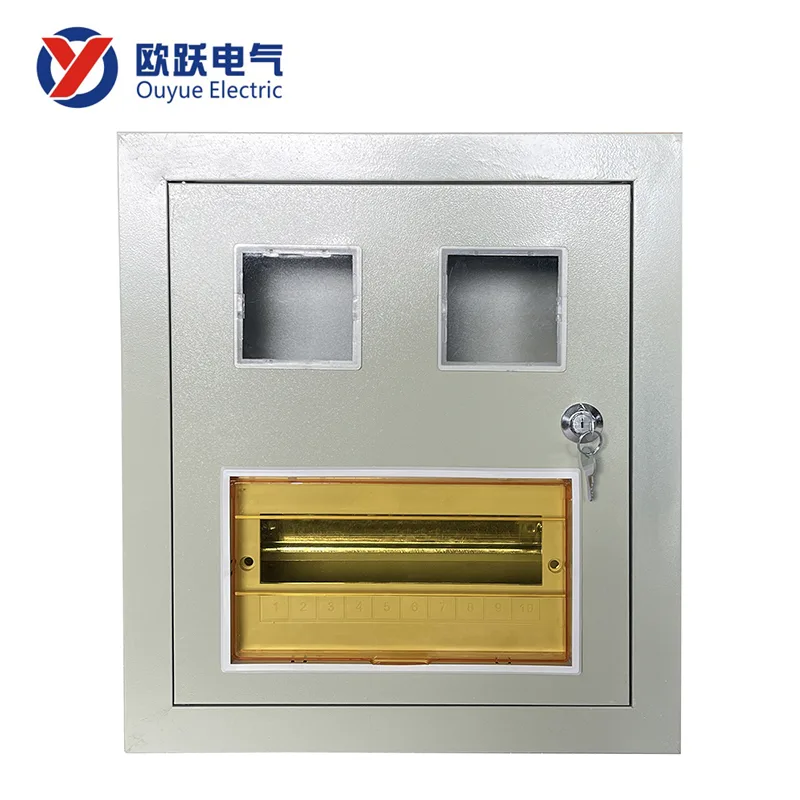
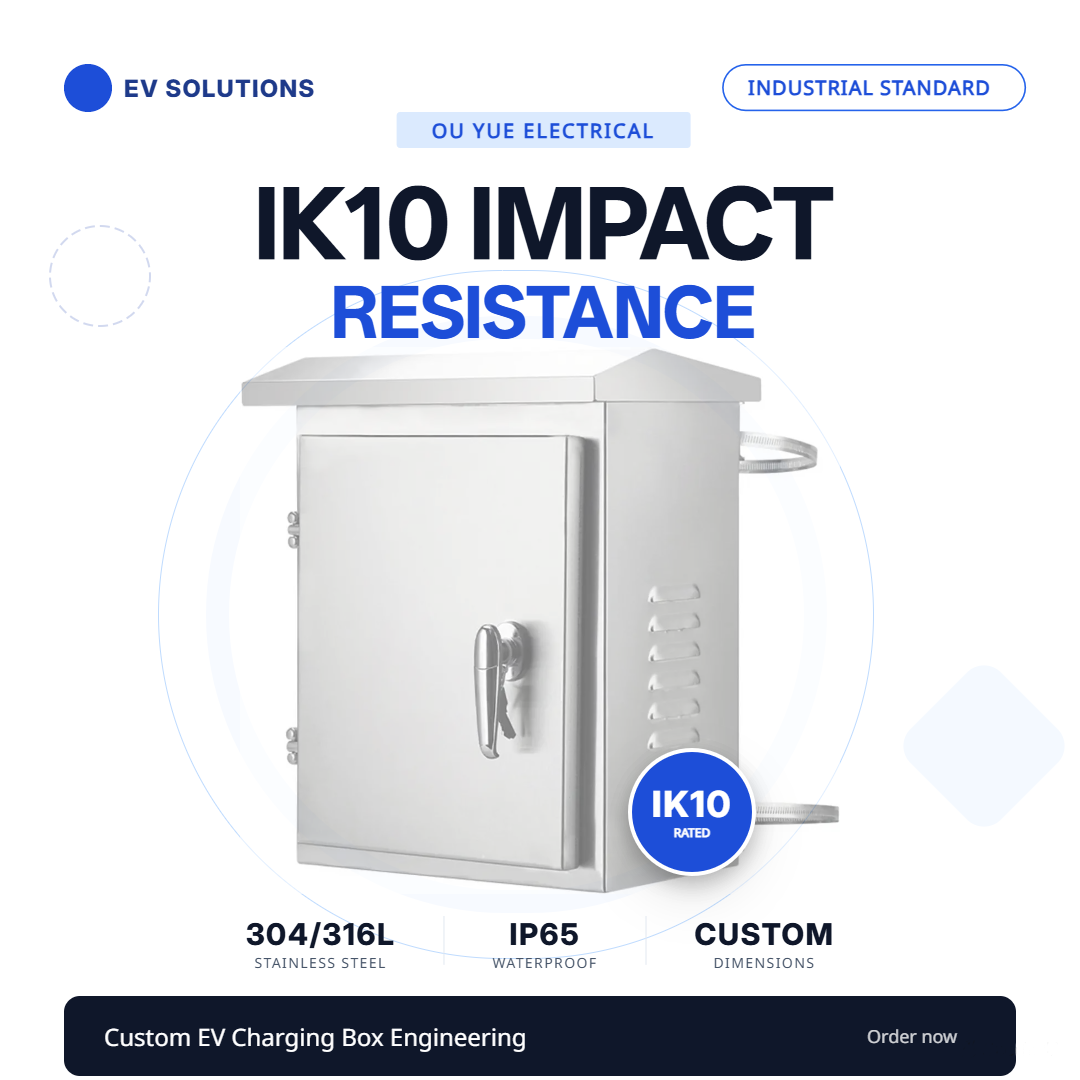
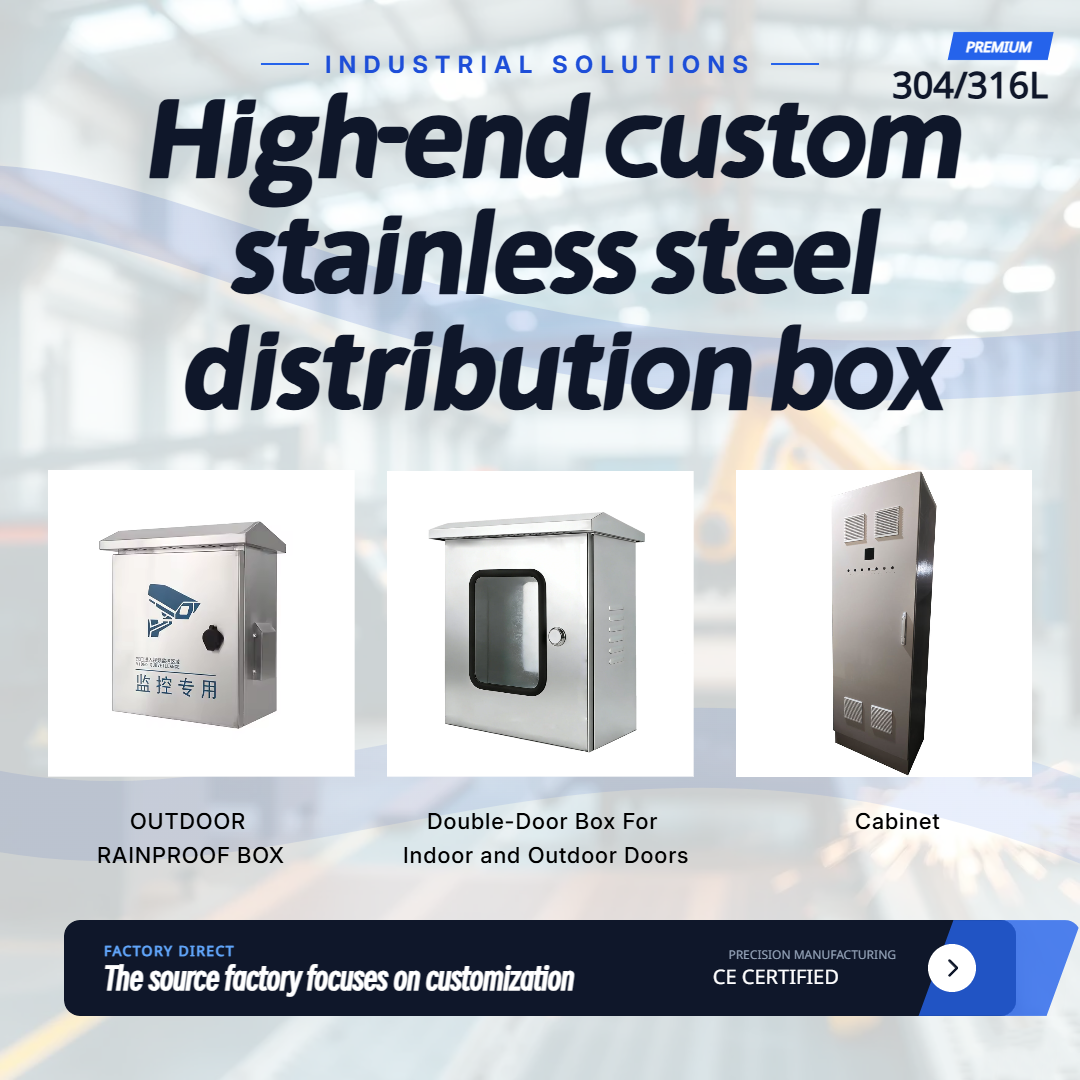
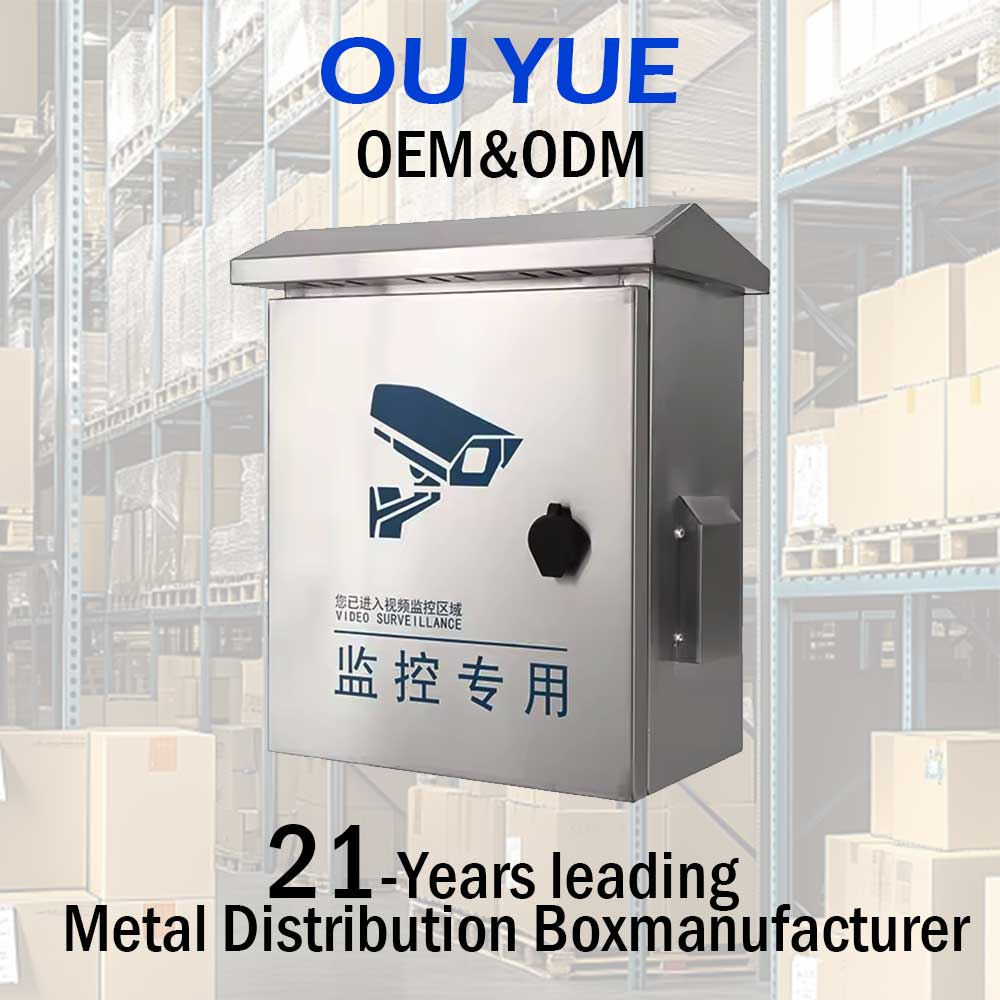
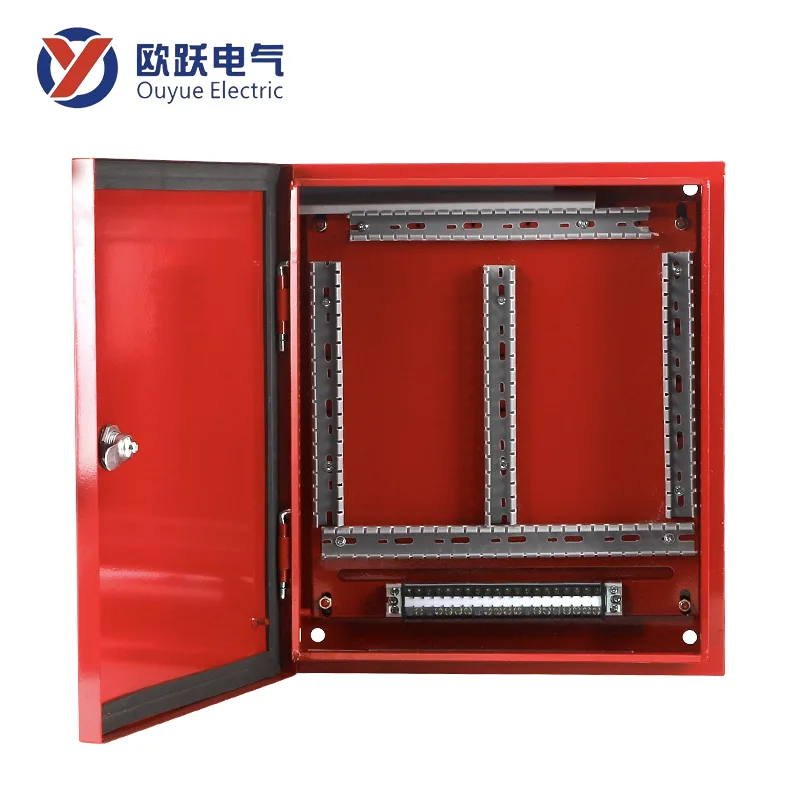
The Enclosed Panel Distribution Box is a standardized distribution equipment shell formed by injection molding of high-insulation and high-flame-retardant engineering plastic ABS. It is mainly used to protect various electronic components such as lighting and sockets in indoor environments.
This is the standard model commonly used internationally.
●Core design: Standard modular installation holes and installation rails (18mm as one module) are used. Usually, electronic components such as miniature circuit breakers and leakage protection devices are combined for embedded installation (concealed installation), and the wall surface needs to be treated to be flush with the decorative surface.
●Application scenarios: Indoor power distribution in residential buildings, office buildings, commercial stores and other places, usually used to protect individual household lighting, overall control of socket circuits, etc.
The PZ-40 series is another widely used model. Its structure is similar to that of the PZ-30, but the design details and application focuses are different.
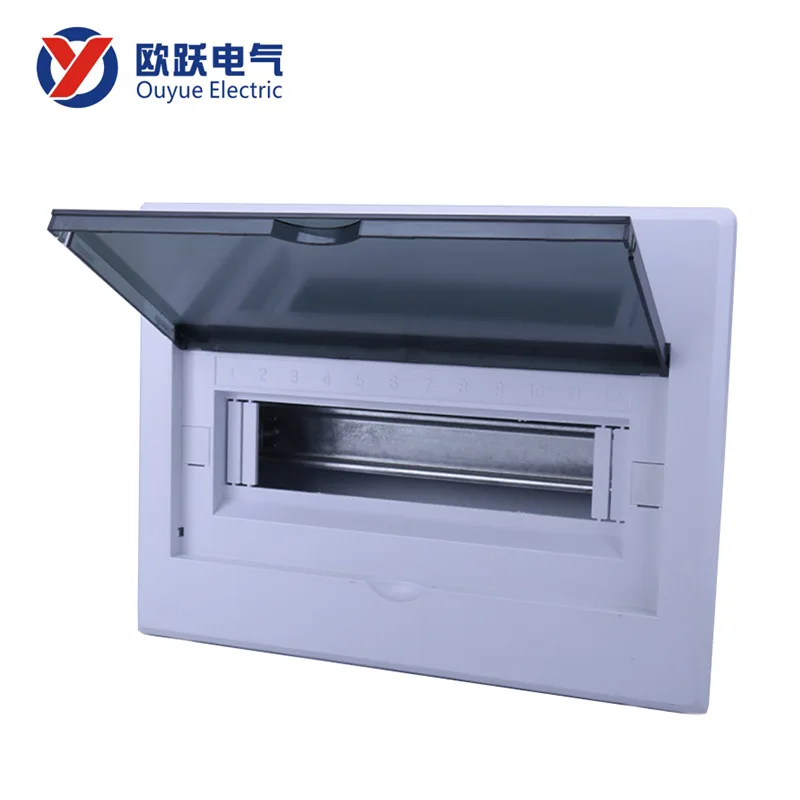
●Core design: It also adopts a modular structure, but the size series may be more diverse. Generally, it is used more widely. The box body can be directly fixed to the wall without pre-burial. Some models are also equipped with transparent or openable panels.
●Application scenarios: It is suitable for occasions such as the renovation of existing buildings, secondary decoration of shops, and industrial plants where quick installation is required and it is not convenient to damage the walls.
The Loop Box includes a transparent and visible panel multi-circuit switch control box and a plastic panel multi-circuit switch control box.
●Core design: The core design of this series of products lies in utilizing the internal space to accommodate more circuits (such as 12 channels, 18 channels, 24 channels or even more). The interior adopts a more efficient wiring channel design to ensure that multiple wires are neatly arranged and have good heat dissipation.
●Application scenarios:In situations where centralized control and management of a large number of power circuits are required, such as centralized control of lighting in large offices, power distribution in public areas of shopping malls, and power distribution for auxiliary equipment in data center computer rooms, etc.