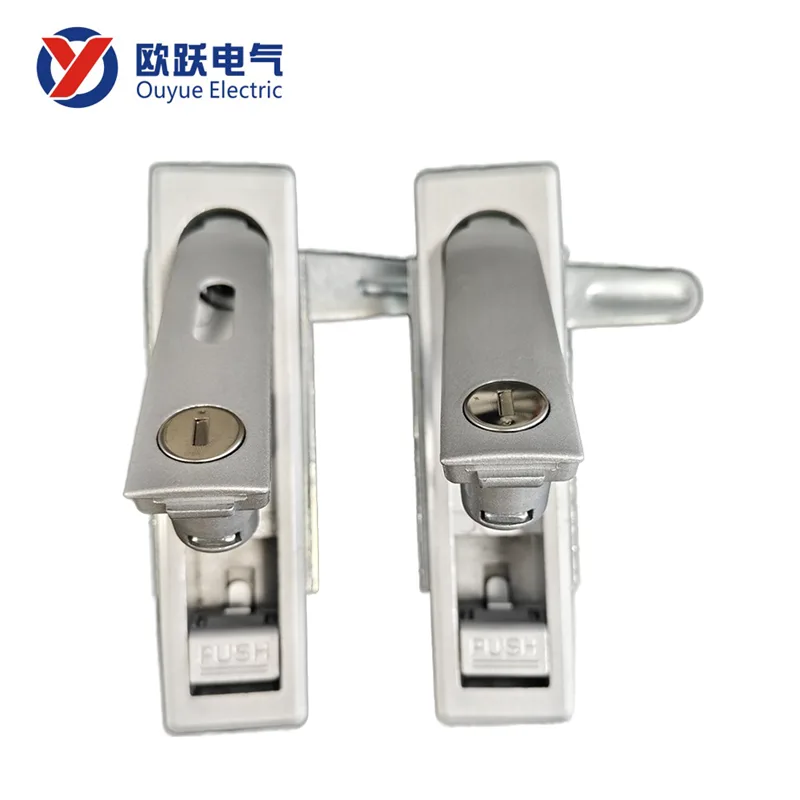
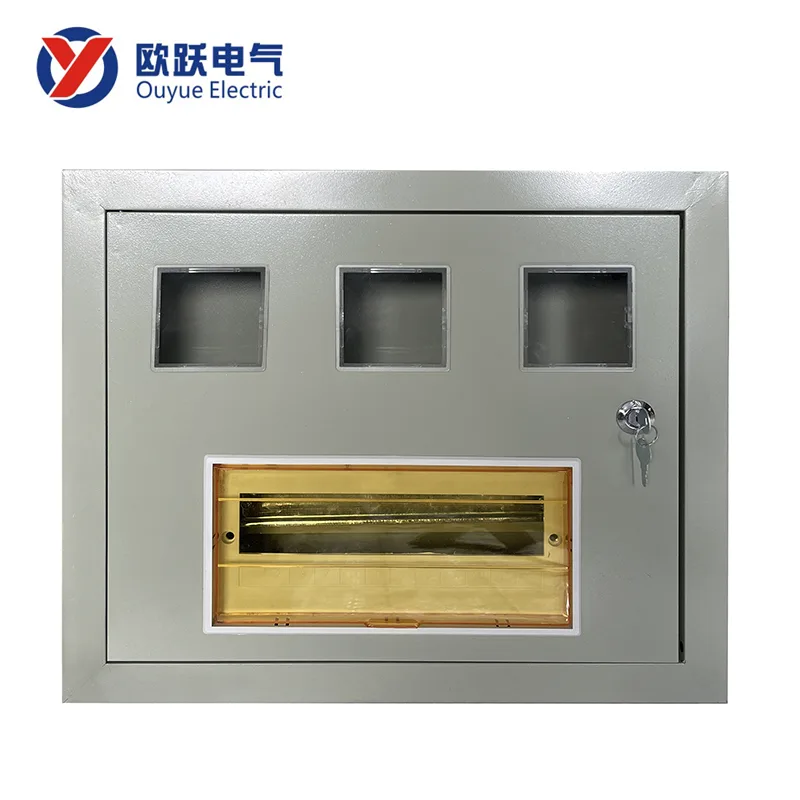
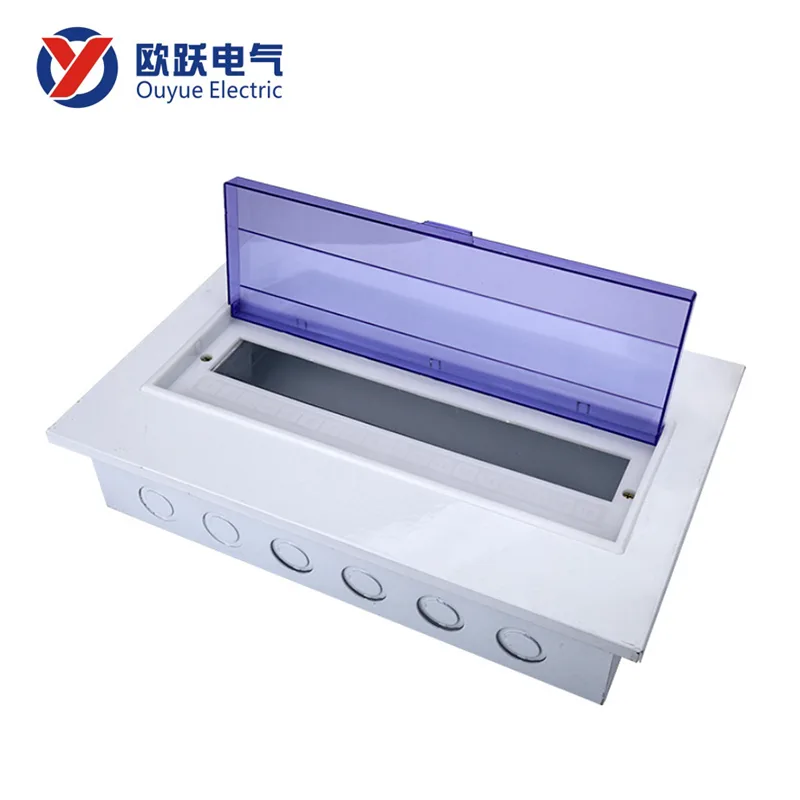
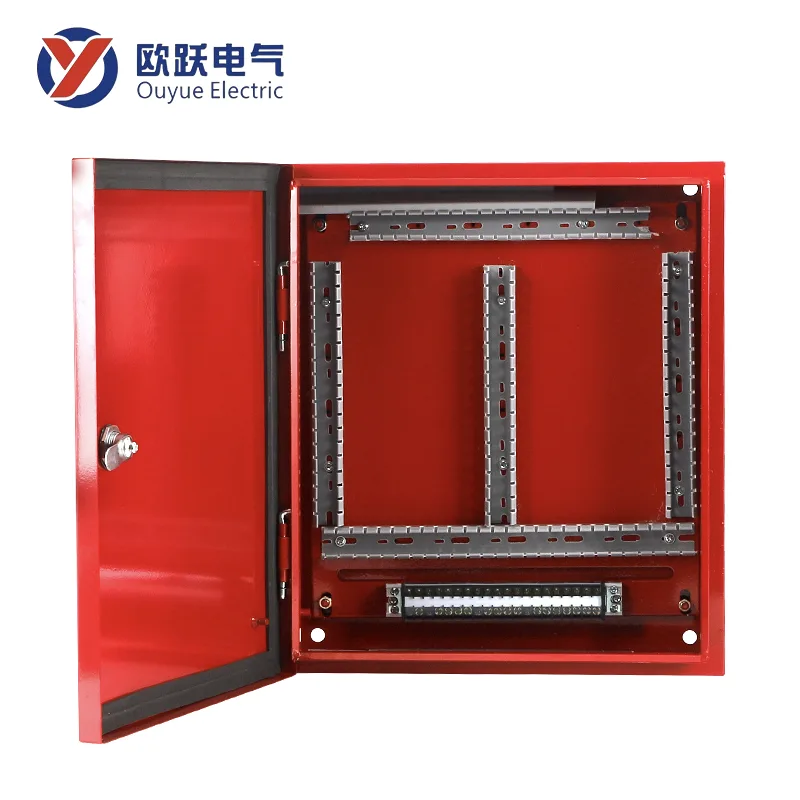
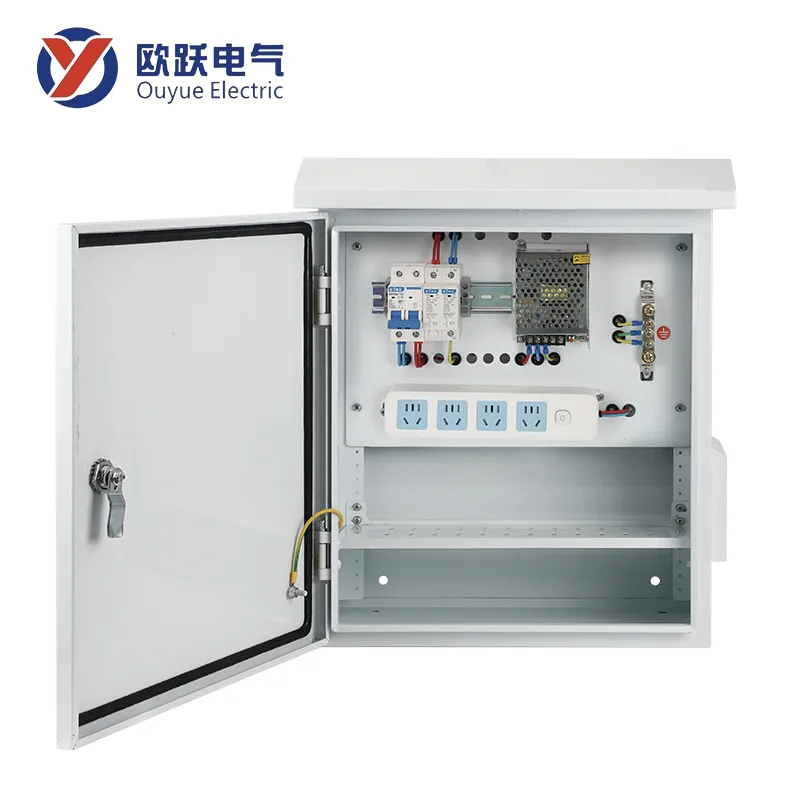
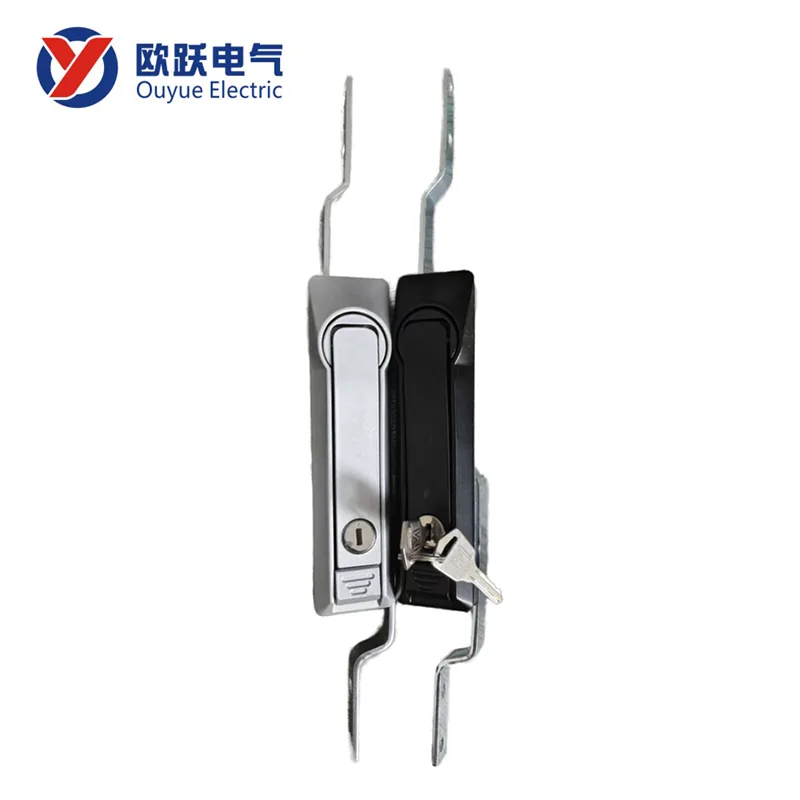
The Rod Control Lock, also known as the multi-point linkage lock or connecting rod lock, is mainly used in the industrial cabinet field and is suitable for scenarios that require high sealing performance, high security and convenient operation and maintenance. This product has been upgraded from the traditional single-point locking to single-point operation and multi-point synchronous locking. This can enhance the structural stability and operational efficiency of the lock during operation, making it an ideal choice for outdoor cabinets, high-protection electrical cabinets and precision equipment boxes.
MS828 Glossy Cabinet Door Connecting Rod Lock
Working principle: The core lies in an internal metal connecting rod with adjustable length. When the key is turned, the power is transmitted through the lock core to the connecting rod, driving the multiple lock tongues connected to it to extend or retract synchronously at the top, bottom and sides of the cabinet door, achieving uniform and tight locking around the entire cabinet door.
Comparison between connecting rod locks and traditional locks
|
Characteristics
|
Traditional single-point locks (such as planar locks)
|
Connecting rod lock (such as MS828)
|
|
Locking method
|
Single-point
locking
|
Multi-point
synchronous linkage locking
|
|
Sealing effect
|
Relying
on single-point pressure is prone to causing gaps
|
The
whole is tightly pressed together, with excellent sealing performance
|
|
Operational efficiency
|
No
difference
|
Control
all lock points with a single operation, which is highly efficient
|
|
Anti-skid performance
|
The
force application point is single.
|
Multi-lock
point collaborative resistance
|
|
Applicable scenarios
|
Conventional
indoor cabinet
|
Outdoor,
high-protection, high-value equipment cabinets
|
Product application scenarios
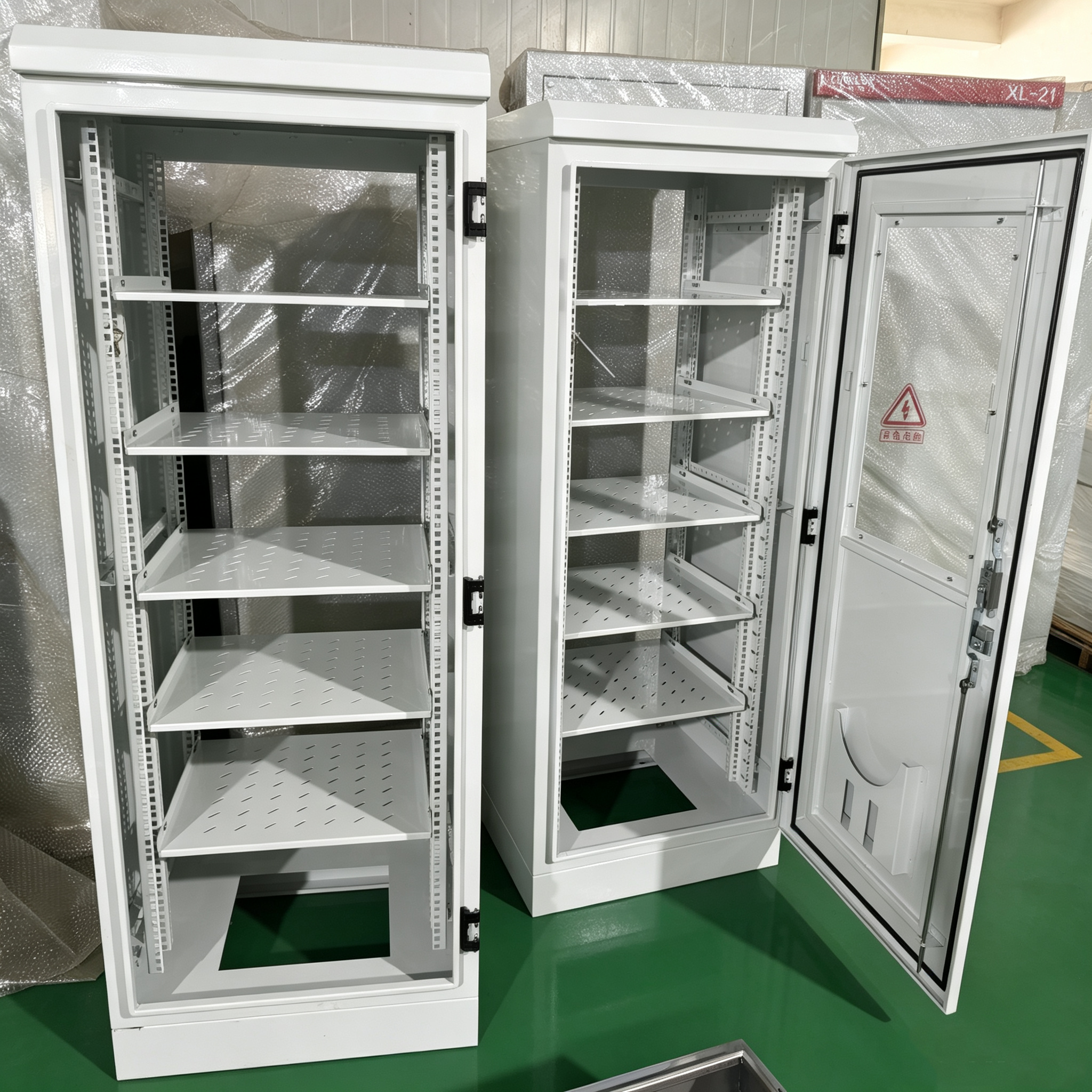
Outdoor environment: outdoor communication base station cabinets, photovoltaic inverter cabinets, traffic signal control cabinets, new energy charging pile cabinets, etc.
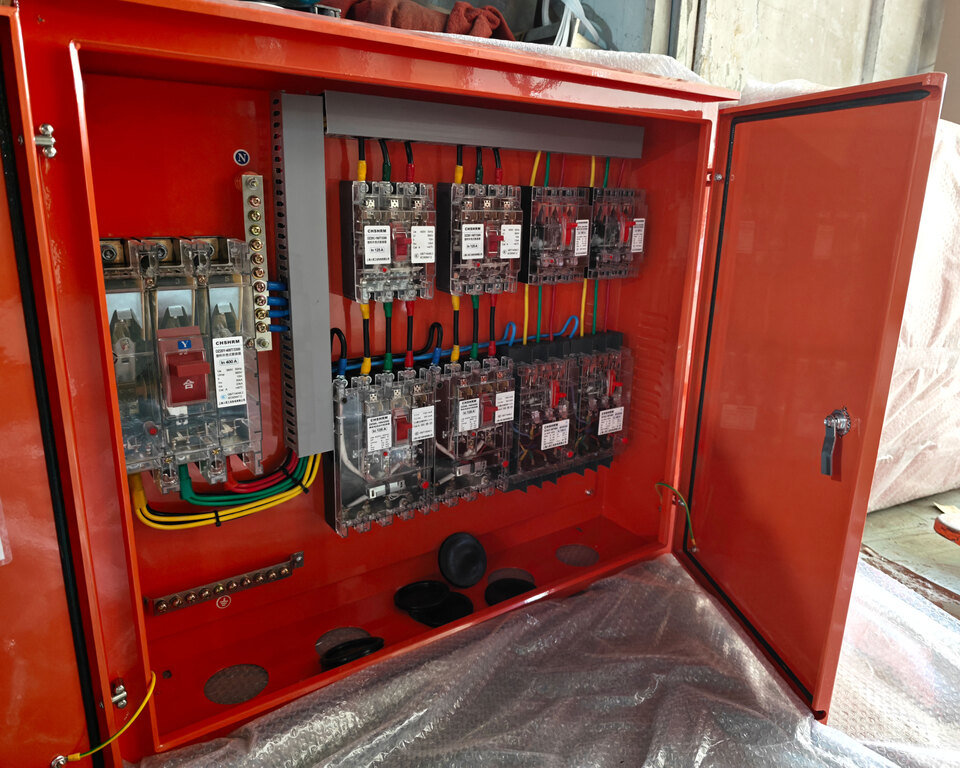
High protection requirement scenarios: factory outdoor control boxes, precision instrument protection cabinets, data center access control cabinets, etc.
High-frequency maintenance equipment: Industrial control cabinets and the like that require frequent opening and closing for inspection or debugging.