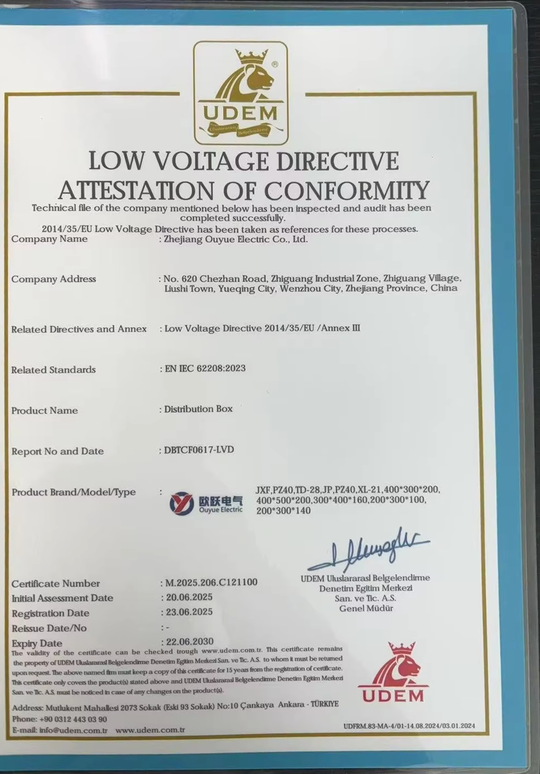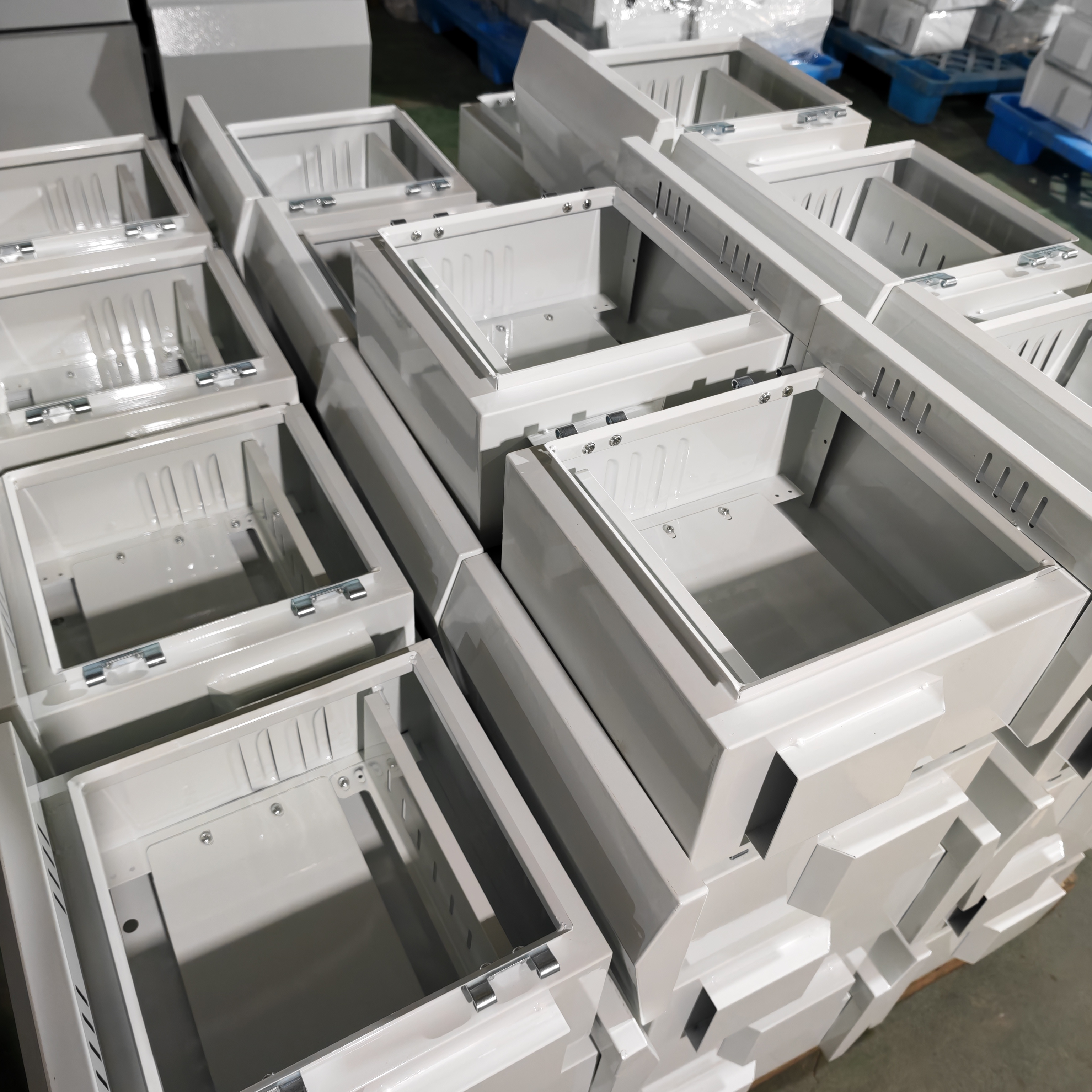
CE certification is a mandatory safety mark for products stipulated by EU law. For metal distribution boxes, CE certification means that the product has been tested and evaluated in accordance with relevant EU directives and meets the basic requirements of the EU for safety, health, environmental protection and consumer protection.
Specifically, the CE certification for distribution boxes typically covers the following core directives:
A valid CE certificate can prove the following five key points:
| Proof item | Specific content |
| Electrical safety | The insulation resistance, dielectric strength, creepage distance, electrical clearance, grounding continuity, etc. all meet the requirements of EN 61439-2 or relevant standards, and will not cause electric shock or short-circuit fire. |
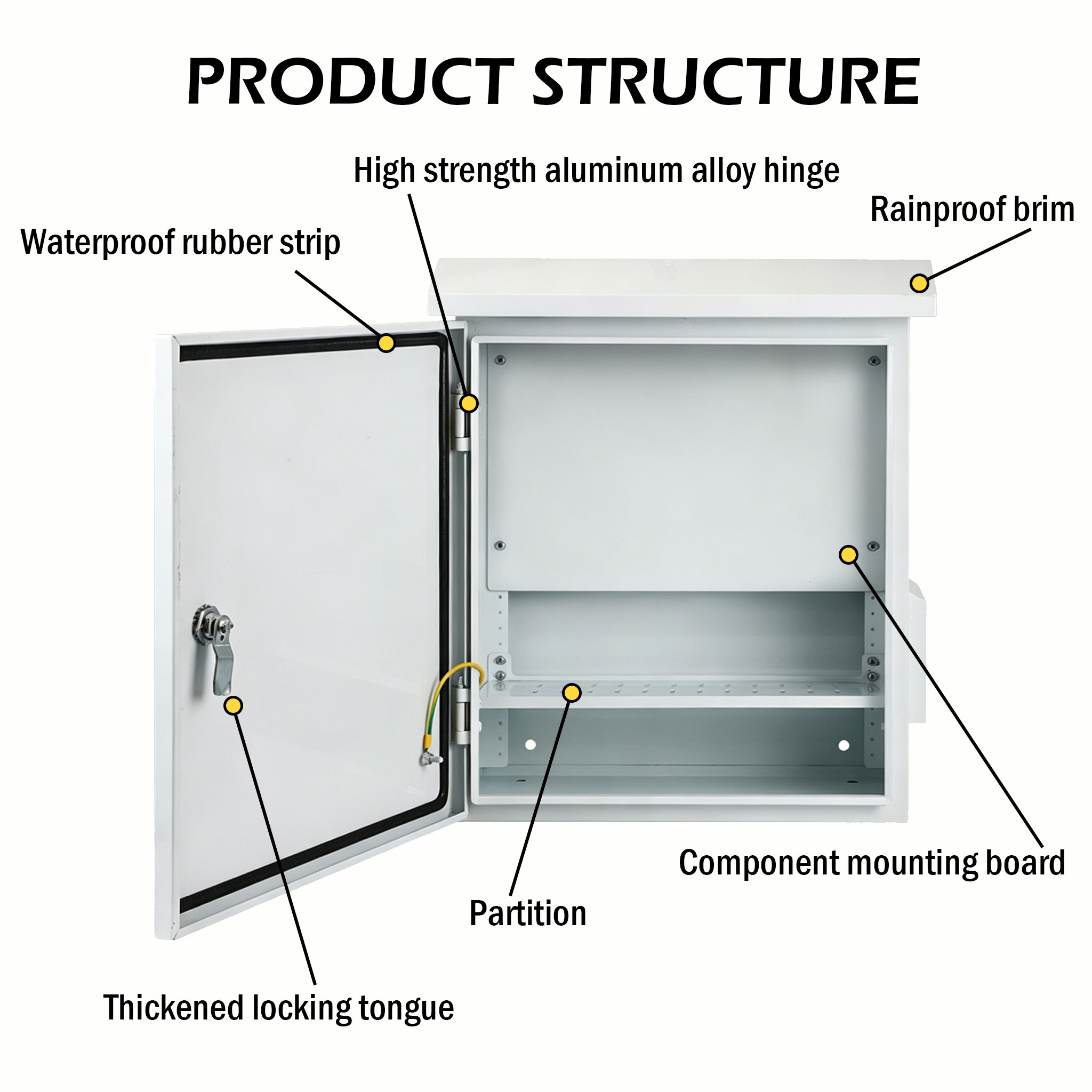
| Mechanical strength | The box structure can withstand the impact, vibration and installation stress during normal use without deforming or cracking. |
| Protection grade | The actual dust-proof and water-proof capabilities are consistent with the IP rating indicated on the product nameplate. |
| Controllable temperature rise | Under rated load, the temperature rise of the box surface and internal terminals should not exceed the limit value (for example, the terminal temperature rise ≤45K) to prevent component failure due to overheating. |
| Material compliance | The metal plates, sealing strips, insulating components and other materials used do not contain harmful substances restricted by the EU RoHS Directive (such as lead, mercury, cadmium, etc.). |
Not all distribution boxes require CE certification, but in the following situations, buyers must request suppliers to provide CE certificates (or complete technical documents) :
1.Export to the member states of the European Union
For any trade activities that sell distribution boxes to 27 EU countries including Germany, France, Italy and the Netherlands, as well as Iceland, Liechtenstein, Norway (European Economic Area) and the United Kingdom (which accepts UKCA or CE during the transition period), customs and market regulatory authorities are required to enforce the CE marking. Products without CE will be seized, returned or destroyed.
2. Provide support for EU projects
Even if your end customers are in China, if the project is ultimately exported to the European Union or is OEM/ODM for EU enterprises, the foreign party usually explicitly requires the provision of a CE certificate in the technical agreement.
3. Sell on cross-border e-commerce platforms
E-commerce platforms such as Amazon Europe, eBay, and AliExpress Europe all require the upload of CE certificates and test reports for the categories of electrical appliances and accessories. Otherwise, the products cannot be listed or may be taken off the shelves.
4. Bidding and Government Procurement
When tendering for electrical products within the European Union, CE certification is always regarded as a qualification threshold for suppliers.
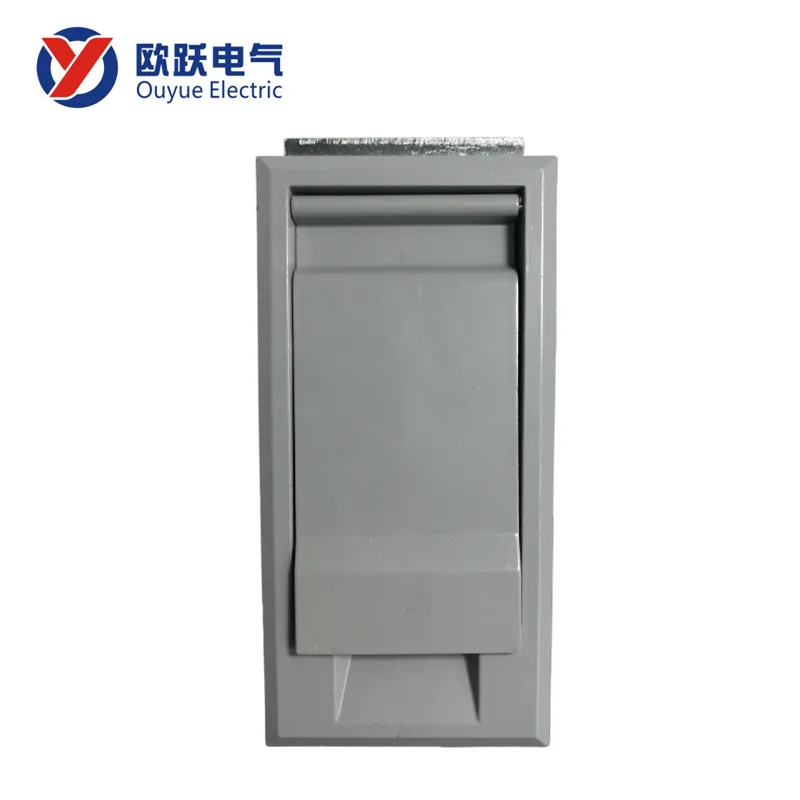
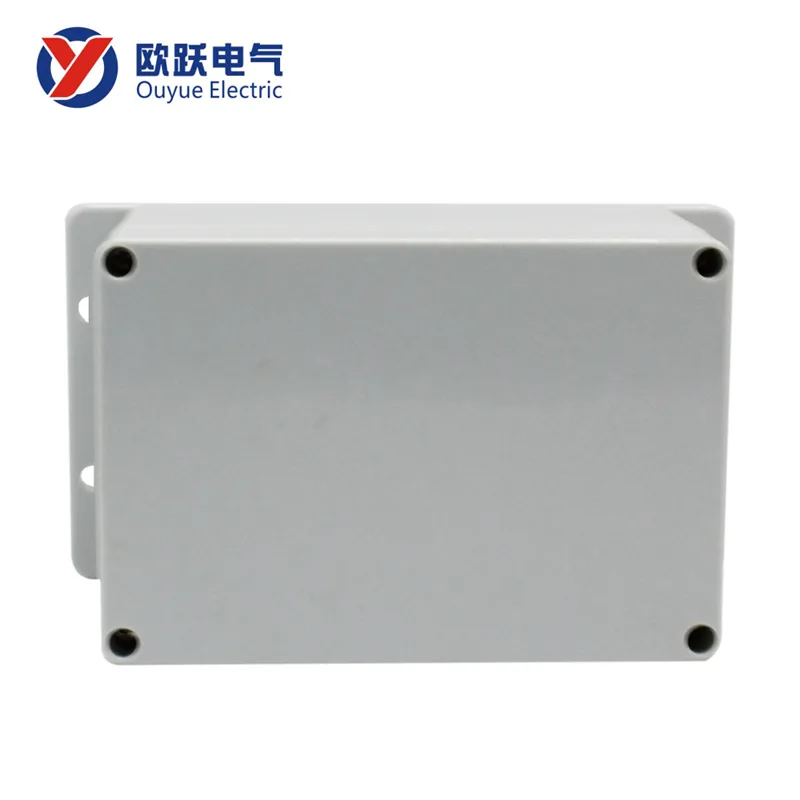
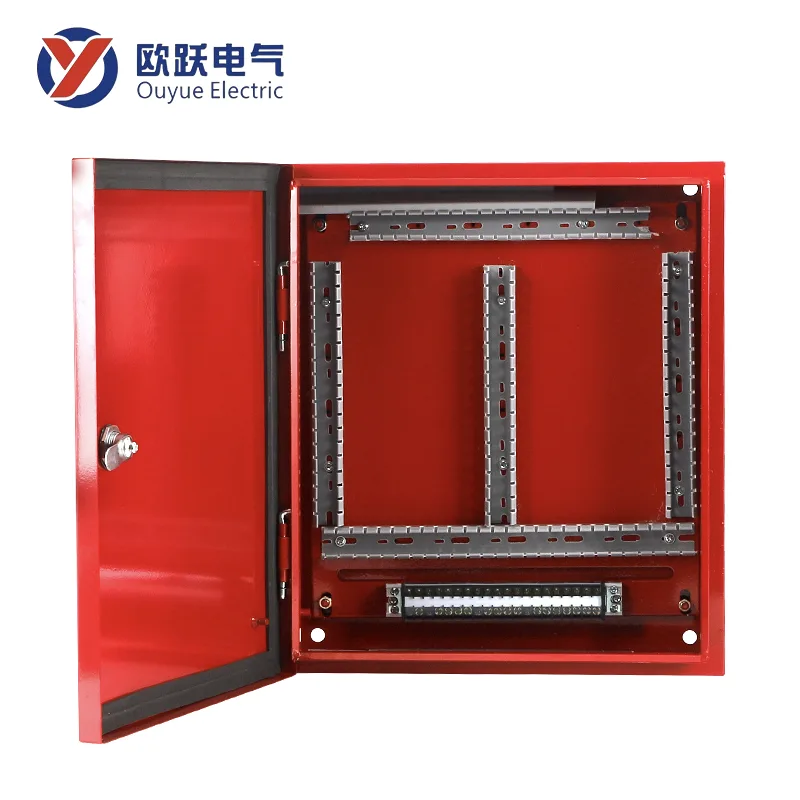
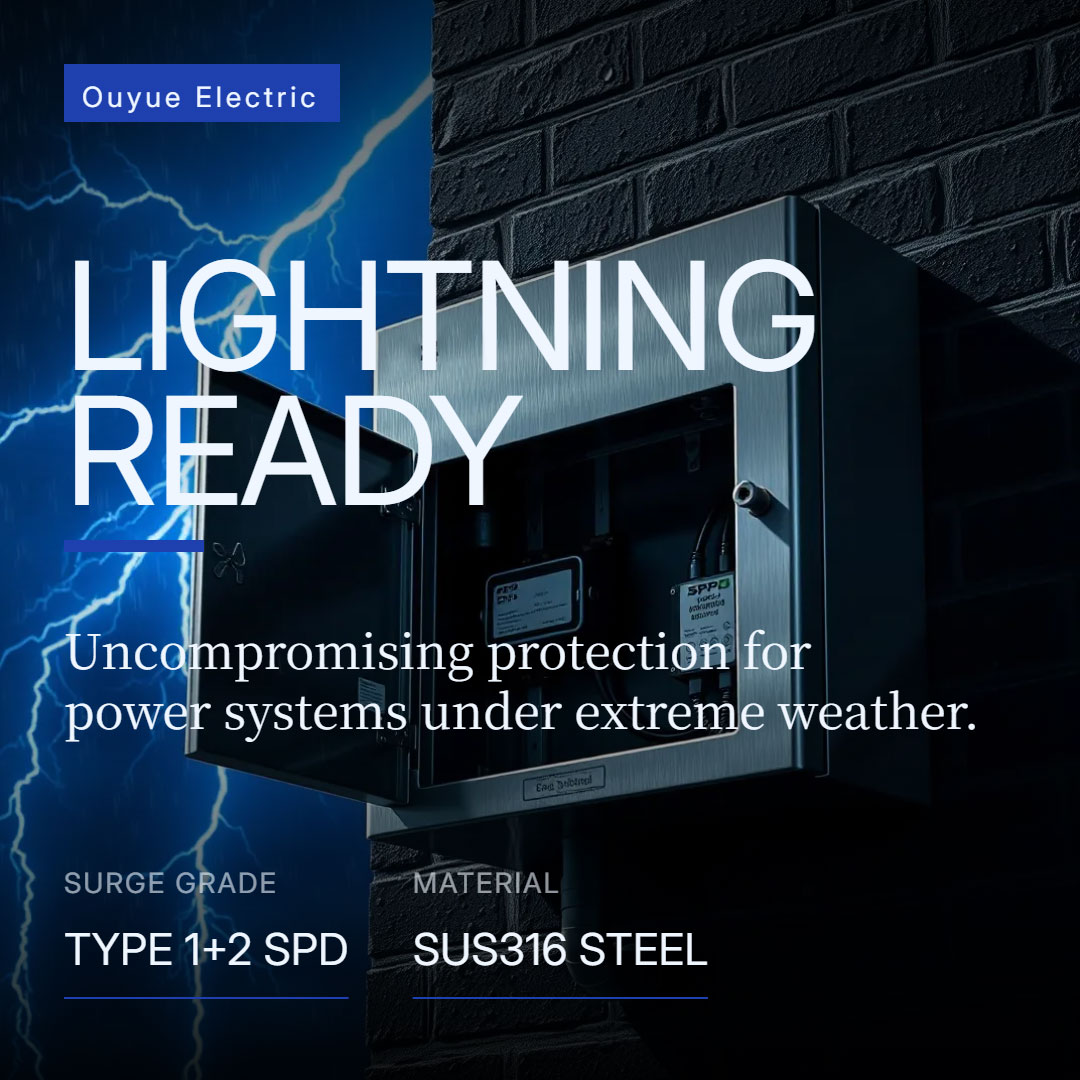
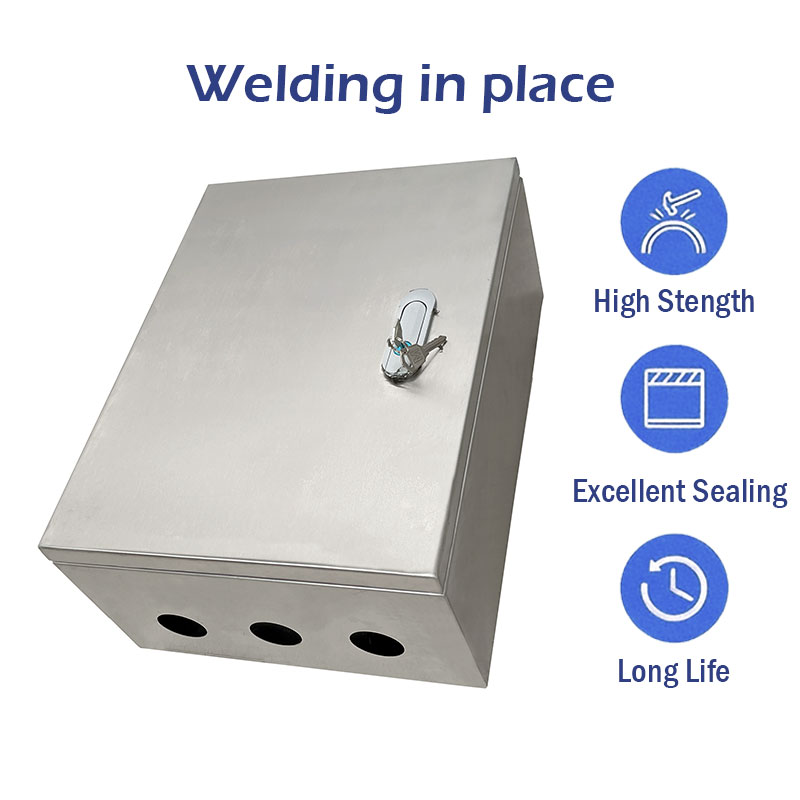
China Ouyue Electric Co., Ltd. attaches great importance to the compliance requirements of the export market. The carbon steel, 304 stainless steel and 316L stainless steel metal distribution box series independently developed and produced by the company have been comprehensively tested by an internationally recognized notified body and successfully obtained CE certification.
Contact us immediately to help your project quickly pass the compliance threshold and safely enter the European market!