Two substantive changes to EU steel regulation arrived in 2026. The first is the Carbon Border Adjustment Mechanism (CBAM), which entered the definitive regime on 1 January 2026. The second is the new steel safeguard regulation, applicable from 1 July 2026. Both instruments point directly at steel, and therefore at metal distribution boxes built mainly from steel.
CBAM ran a transitional phase from 2023 to 2025, and the definitive regime started on 1 January 2026. The scope covers cement, iron and steel, aluminium, fertilisers, electricity and hydrogen.
Importer obligations moved from reporting alone to authorisation, reporting, and the purchase and surrender of CBAM certificates. The certificate price links to auction prices under the EU Emissions Trading System.
For a metal distribution box export, the first step is to confirm whether the customs code of the finished product appears in Annex I of CBAM. Even where the finished product sits outside the list, steel price movements upstream and carbon data requests from EU customers still travel down the purchasing chain.
The new EU steel safeguard regulation applies from 1 July 2026 to 31 December 2026. Tariff quotas total 18,345,922 tonnes across 26 product categories, and the out-of-quota duty is 50% ad valorem, up from 25% under the previous arrangement.
Quotas sit at two levels, with most-favoured-nation quotas and free trade agreement quotas counted separately. Steel import costs and lead times pass through sheet metal fabrication into the price and lead time of a metal distribution box, and buyers locking in prices need the quota cycle taken into account.
The regulation also introduces steel origin traceability. From October 2026, importers must provide melt and pour origin evidence. From October 2027, quota access will be allocated according to where the steel was first melted into liquid form.
For a factory with EU export plans for metal distribution boxes, the deadline for requesting traceability documents from steel suppliers is close. Cold-rolled steel and grades 304 and 316 stainless steel come from different mills, so traceability documents need collecting by material and by batch.
The safeguard regulation requires the European Commission to complete an assessment by 30 June 2027 on whether to extend the scope to downstream products containing a significant amount of steel.
A metal distribution box is a textbook downstream steel product. The assessment outcome is not yet published, while EU buyers are already adjusting purchasing decisions ahead of time. Preparing material origin and carbon data now is more proactive than catching up after the rules land.
Against the two regulations, an export project for metal distribution boxes should prepare the following items.
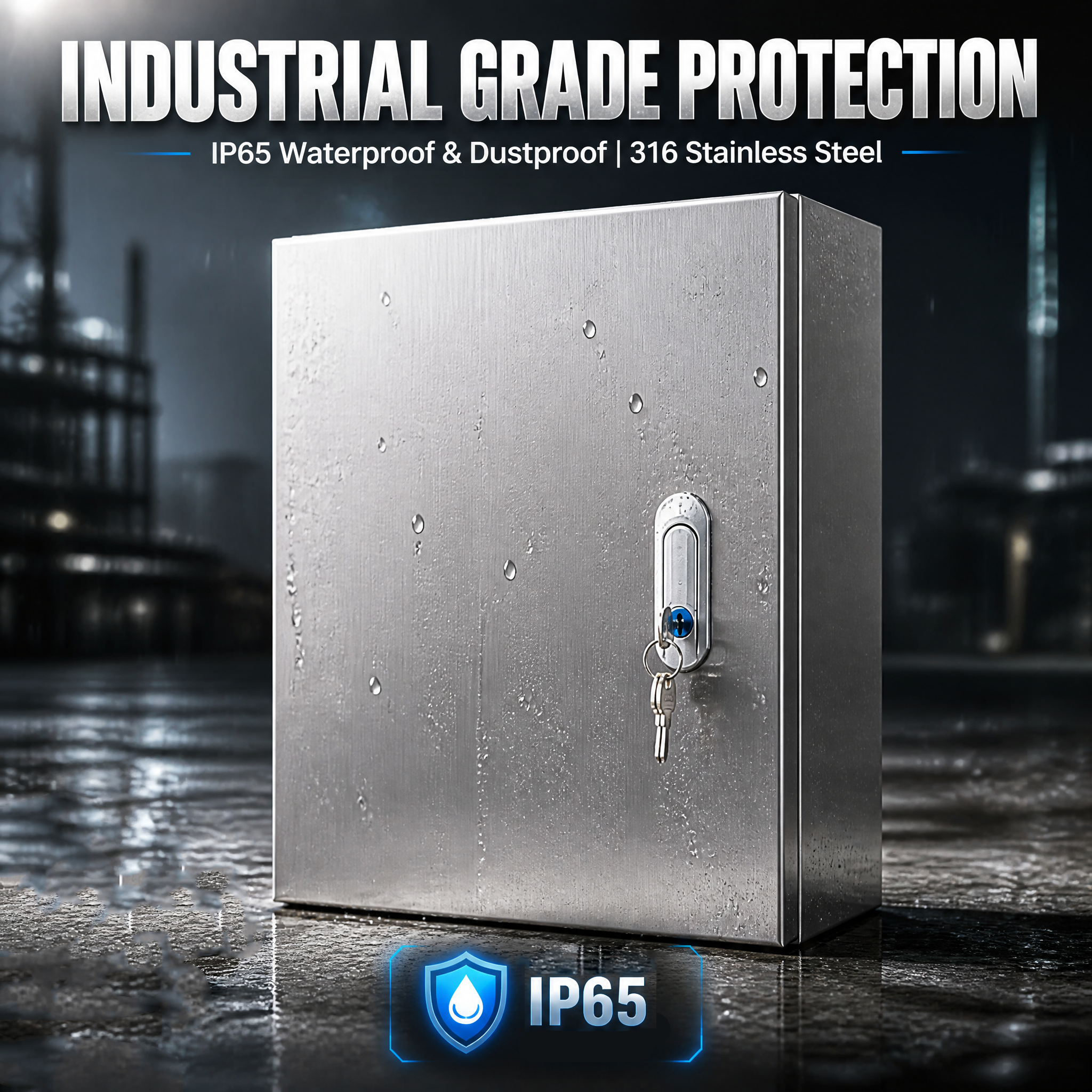
Regulatory pressure lands on steel, and material choice becomes a response in itself. Cold-rolled steel suits indoor and dry locations at controlled cost. Grades 304 and 316 stainless steel suit coastal, high-humidity and corrosive locations, with a longer service life and fewer replacements.
On a full life-cycle carbon basis, extending service life and cutting replacement frequency is an effective route to lower emissions per year of service. For a metal distribution box project with EU customers, material selection is best settled at the design stage alongside environmental conditions and regulatory requirements.
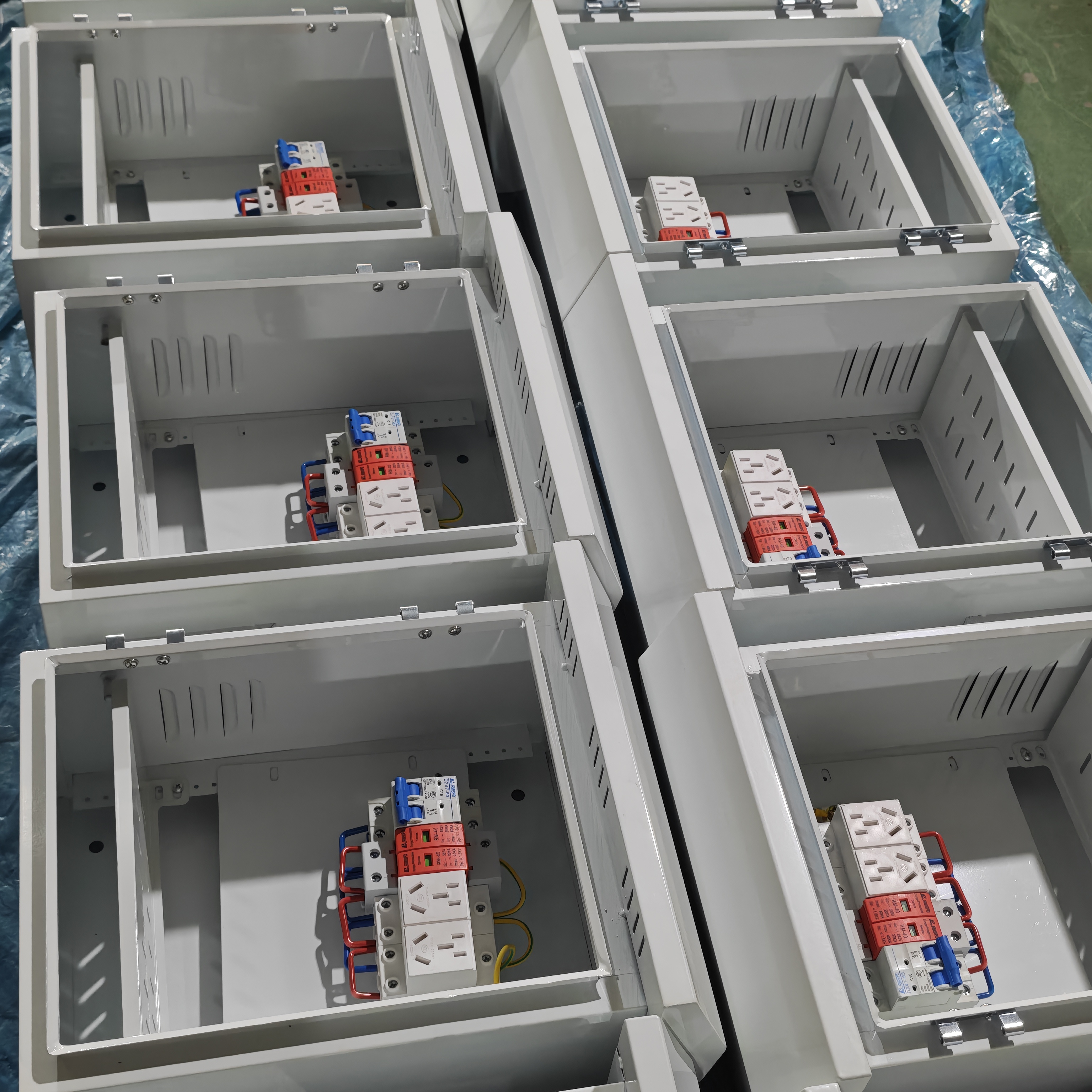
Ouyue Electric (Zhejiang Ouyue Electric Co., Ltd.) supplies metal distribution boxes and custom enclosures in cold-rolled steel, 304 stainless steel and 316 stainless steel, with protection ratings available in IP54, IP55, IP56 and IP65, a minimum order of 10 units, CE certification, and drawing-based customisation of enclosure size, cut-out positions, internal baffles and marking.
Full specifications appear on the metal distribution box product page and the stainless steel distribution box product page .
When does the CBAM definitive regime start?
On 1 January 2026. CBAM ran a transitional phase from 2023 to 2025. The scope covers cement, iron and steel, aluminium, fertilisers, electricity and hydrogen.
Does a metal distribution box require a direct CBAM declaration?
The answer depends on whether the customs code of the product falls inside Annex I of CBAM. Even where the finished product sits outside the list, steel prices upstream and carbon data requests from EU customers still travel down the purchasing chain.
What is the out-of-quota duty under the EU steel safeguard?
50% ad valorem. The regulation applies from 1 July 2026 to 31 December 2026, with tariff quotas totalling 18,345,922 tonnes across 26 product categories.
What compliance advantage does a stainless steel distribution box offer?
Grades 304 and 316 stainless steel suit coastal, high-humidity and corrosive locations, with a longer service life and lower replacement frequency, which reads better on a full life-cycle carbon assessment.
To review material, protection rating and compliance documentation for a metal distribution box export, or to request a drawing-based quotation, send the drawings and project requirements to the enquiry form . The Ouyue Electric technical team replies with confirmation of material, protection rating and the document list.