News

Why is the welding process of metal distribution boxes extremely important?

2026-05-09 0 Leave me a message

I. Welding: A "Problem" Easily Overlooked in the Manufacturing of Distribution Boxes

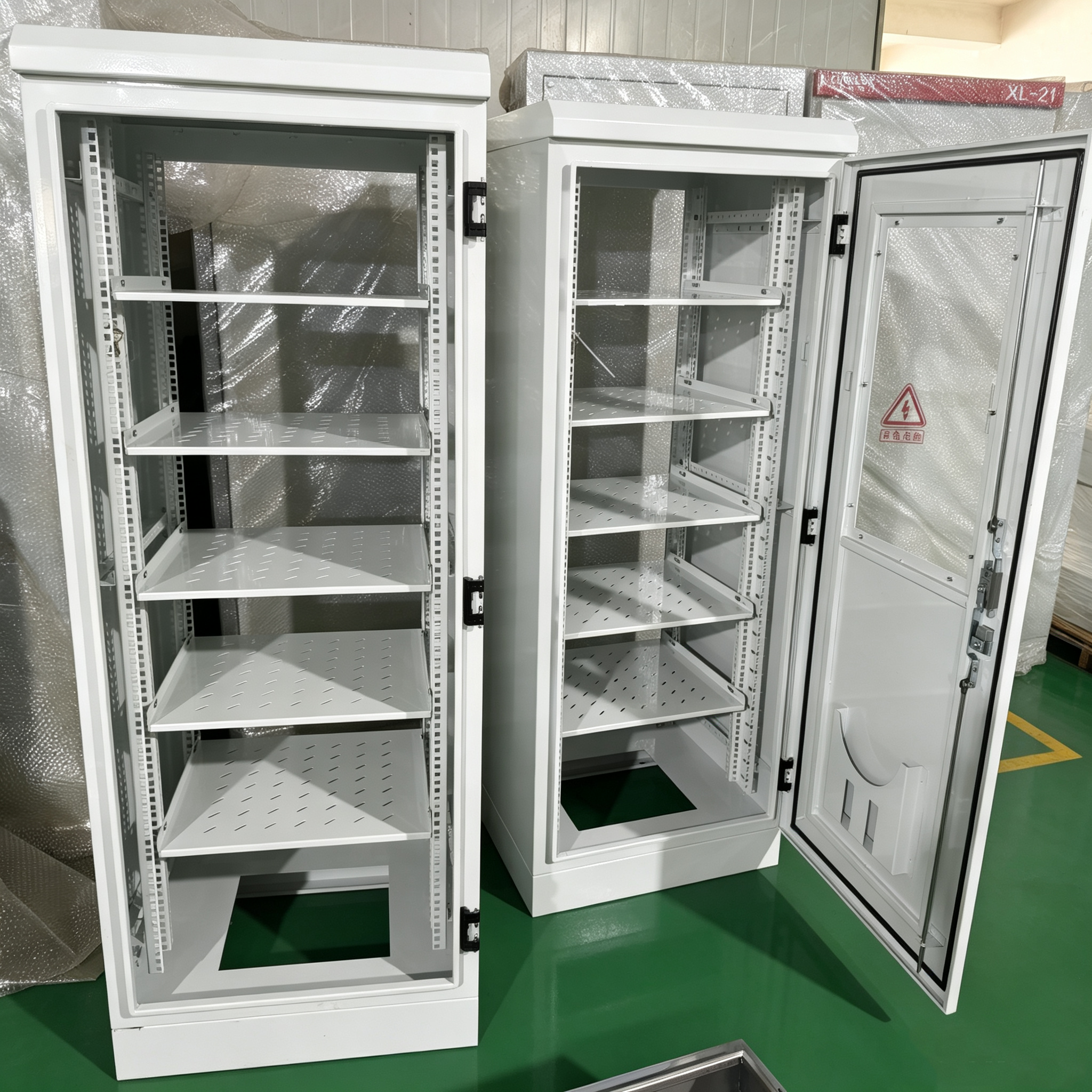
In the manufacturing process of metal distribution boxes, welding constitutes a critical stage following sheet metal cutting and bending. This step ensures the structural integrity of the enclosure by securely joining individual panels into a cohesive unit. However, many manufacturers prioritize sheet thickness and surface coating while underemphasizing welding quality. 

By contrast, international customers—particularly those in Europe, North America, and Australia—routinely assess weld uniformity, hermeticity, and post-weld surface finishing during factory audits or pre-shipment inspections. What accounts for this heightened scrutiny?

II. Two common types of welding processes

Process type Features Appearance Sealing property Applicable scenarios
Spot welding Intermittent point welding is fast and low-cost Obvious weld points can be seen, but the gaps are not completely fused Poor, rainwater and moisture can seep in through the gaps of the solder joints Indoor distribution boxes and box bodies without waterproofing requirements
Continuous welding (full welding) The weld seam continuously covers the entire joint without interruption It is smooth and flat, and can be polished without any marks Excellent, it completely blocks moisture and dust from entering Outdoor waterproof boxes, charging pile boxes, Marine environment

Many low-end distribution boxes use spot welding technology. Only spot welding is carried out at the corners of the box every few centimeters, while the remaining seams are filled with sealant. 

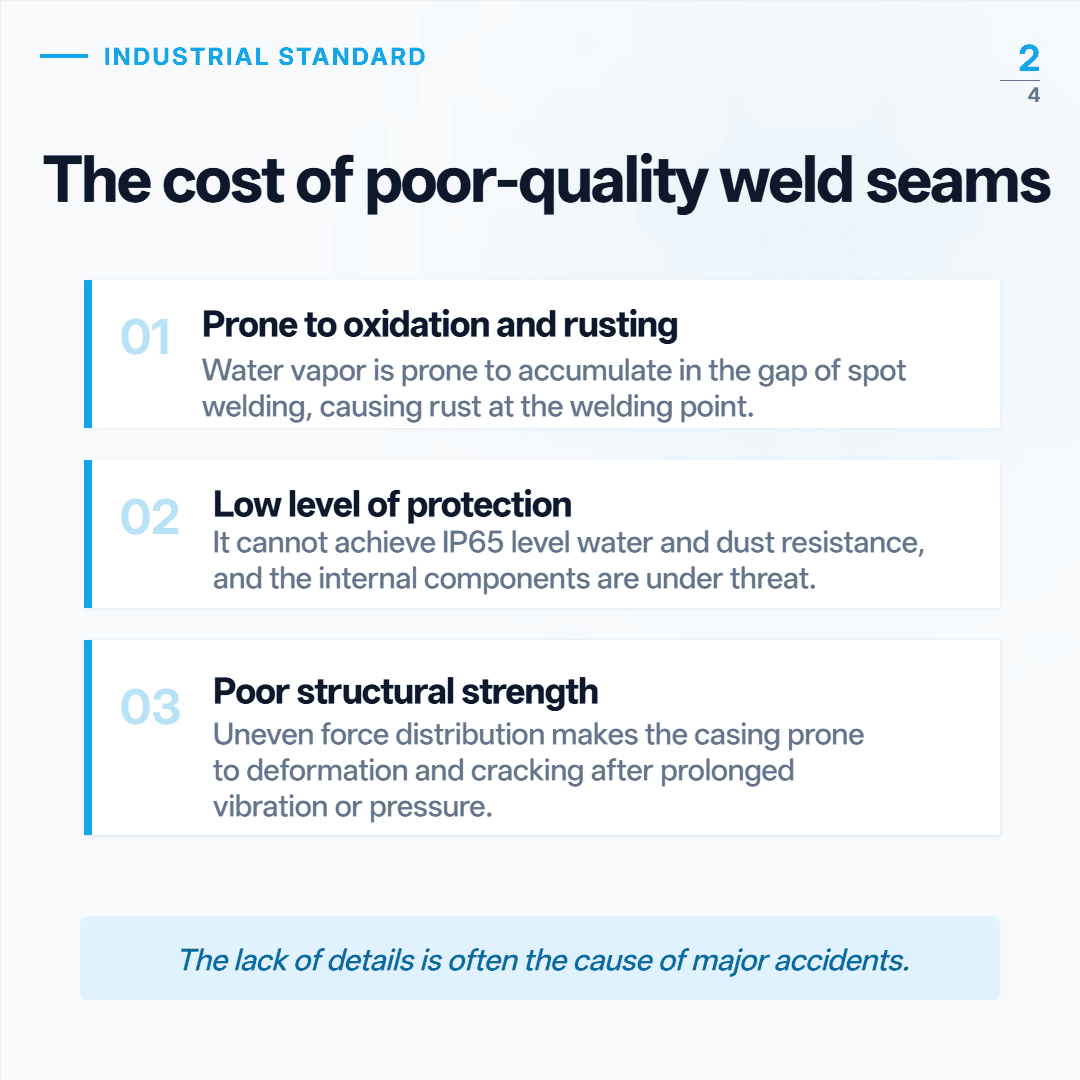
This process does not show any problems in the short term, but after a year of outdoor exposure to sun and rain, the sealant ages and cracks, and water vapor will seep into the box through the gaps of the solder joints, causing rust and short circuits in the internal components.

III. Why is the welding process so important?

1. Sealing performance: It directly determines the protection level

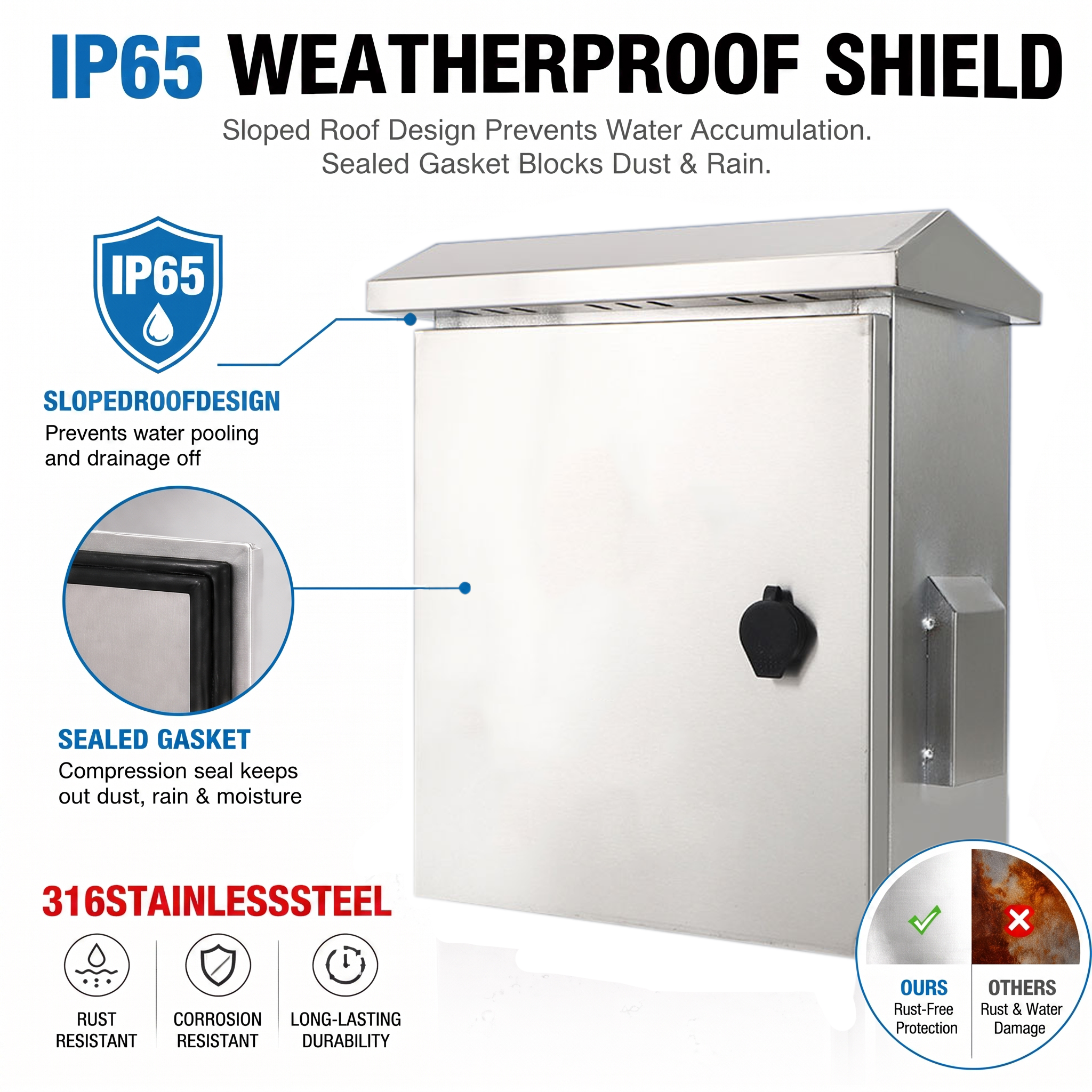
Outdoor distribution boxes typically require ingress protection (IP) ratings of IP54, IP65, or higher to ensure adequate environmental resistance. Achieving reliable waterproofing necessitates continuous, uninterrupted welding along all enclosure seams. In contrast, spot welding leaves microscopic gaps that—despite subsequent application of sealant—cannot guarantee long-term sealing integrity under operational conditions.

Internationally, enclosure sealing performance is validated through standardized test methods: either the negative-pressure (vacuum decay) test, wherein internal air is evacuated and leakage rate is quantitatively measured; or the high-pressure water spray test, in which the exterior is subjected to controlled water jet exposure per IEC 60529, followed by internal inspection for moisture ingress. Empirical testing consistently demonstrates that continuously welded enclosures exhibit significantly superior sealing performance compared to spot-welded alternatives.

2. Structural strength: Withstand stress during transportation and installation

When the spot-welded box body is hoisted, transported or subjected to external force impact, the weld points are prone to cracking, causing the box body to deform and the door panel to fail to close. Continuous welding forms a continuous metal connection, significantly enhancing the overall strength.

International engineering projects often require distribution boxes to be capable of withstanding IEC 60068-2-6 vibration tests and IK-level shock tests (such as IK08). Continuous welding is a necessary process to achieve these standards.

3. Weld seams affect the anti-corrosion service life

The most common failure mode of metal distribution boxes is not that the plates rust through, but that the welds rust first. The reasons include:

Moisture and electrolytes are prone to accumulate in the crevices of spot welding, leading to crevice corrosion.

The material structure in the heat-affected zone of welding changes, and its corrosion resistance decreases.

When the grinding is insufficient, the surface of the weld seam is rough and the adhesion of the coating is poor.

4. Aesthetic appeal: It reflects the brand image

In the European and American markets, the appearance quality of products directly reflects the manufacturing level of suppliers. Distribution boxes with rough welds and uneven grinding will be regarded as unprofessional defective products.

Internationally, it is usually required that the weld seam be ground to be flush with the base metal, with a consistent surface texture (such as continuous wire drawing direction), and no welding slag should be left. When inspecting the goods, the quality inspector will touch the weld area with their hands to check for burrs or unevenness.

IV. Ouyue Electric's professionalism in welding techniques

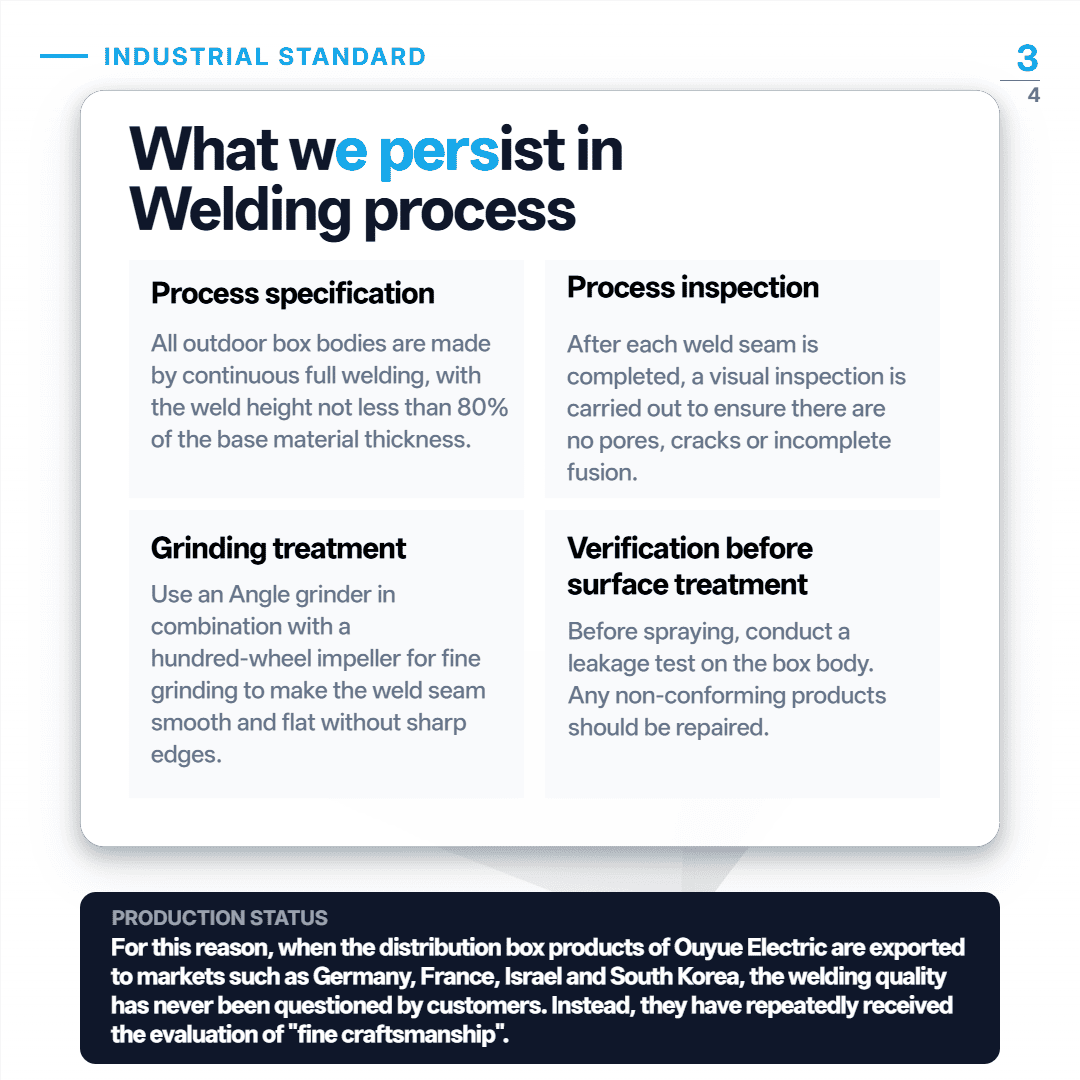
China Ouyue Electric Co., Ltd. strictly adheres to the following welding standards in the production of metal distribution boxes:


Why choose us?

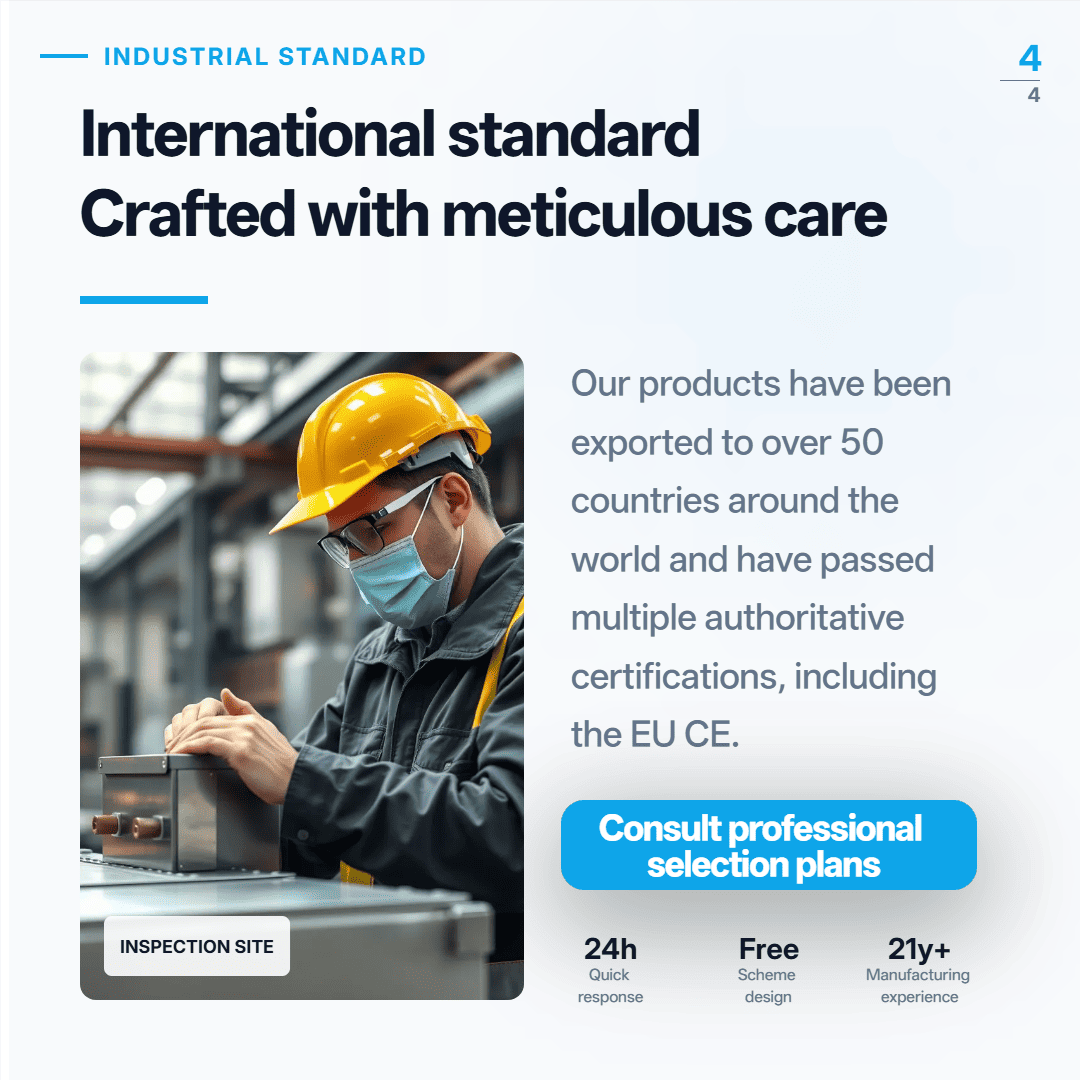
China Ouyue Electric Co., Ltd. has specialized in the design and manufacturing of metal distribution enclosures for over a decade. All outdoor-rated enclosures are fabricated using continuous full-penetration welding and subjected to rigorous, standardized sealing verification—compliant with IEC 60529 requirements. Prospective clients are invited to conduct on-site audits of our welding production line and witness sealing performance testing firsthand. 

For custom solutions—including distribution enclosures, EV charging station enclosures, and industrial control cabinets—we offer responsive engineering support and collaborative development. At Ouyue Electric, structural integrity and electrical safety begin with precision-welded, fully sealed enclosures.


Related News
Leave me a message
X
We use cookies to offer you a better browsing experience, analyze site traffic and personalize content. By using this site, you agree to our use of cookies. Privacy Policy
Reject Accept