NFPA published the 2026 edition of the NEC on 20 August 2025, and from 9 September 2025 federal, state, county and municipal bodies could update local electrical installation rules against the 2026 edition. Adoption sits with states and local jurisdictions rather than at federal level, so the same exported enclosure faces different compliance baselines in different US states.
As of 3 August 2026, NFPA's NEC enforcement map records the 2026 NEC in effect in six states, the 2023 NEC in 20 states, the 2020 NEC in 15 states, the 2017 NEC in three states and the 2008 NEC in two states. Mississippi, Missouri and similar states adopt at local level and sit outside the state counts.
| State | Effective date | Note |
| Colorado | 1 August 2026 | No state amendments recorded |
| Maine | 1 July 2026 | State amendments |
| Massachusetts | 24 April 2026 | State amendments |
| Minnesota | 17 August 2026 | No state amendments recorded |
| North Dakota | 1 July 2026 | No state amendments recorded |
| Wyoming | 1 July 2026 | No state amendments recorded |
| Texas | 1 September 2026 | Effective after the 3 August baseline |
Most states still run the 2020 or 2023 edition rather than NEC 2026. California's 2025 California Electrical Code is based on the 2023 edition of the NEC and takes effect on 1 January 2026. Pennsylvania's 2020 edition took effect on 1 January 2026. Wisconsin has just completed a move to the 2023 edition, effective 1 September 2026. South Carolina's move to the 2023 edition is scheduled for 1 January 2027.
Four dates side by side give a direct conclusion: the US market has no single current edition. For one buyer, a project in Texas and a project in Pennsylvania may cite editions three years apart.
An edition change does not alter what goes inside the enclosure, but the change alters the basis for confirming the enclosure. In procurement the difference lands in four places: the standard edition cited in the drawing and contract, cutout and cable entry arrangements, marking and nameplate content, and the party performing acceptance.
An enquiry sheet should state three items: the project state, the NEC edition enforced by the local authority having jurisdiction (AHJ), and the party performing acceptance. Once the three are fixed, the design basis and the inspection basis in a quotation line up, and rework on site is avoided.
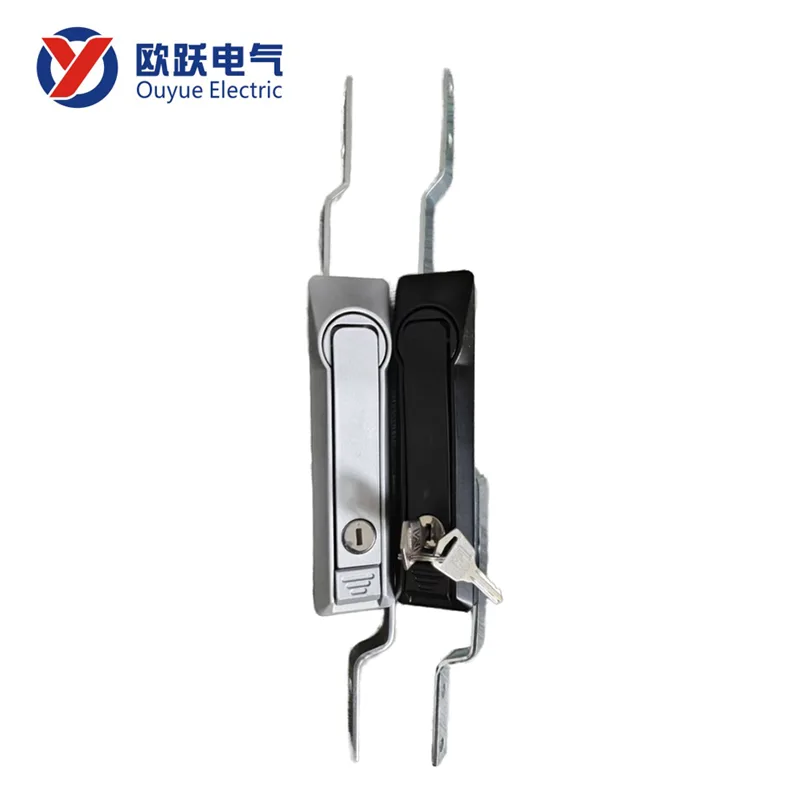
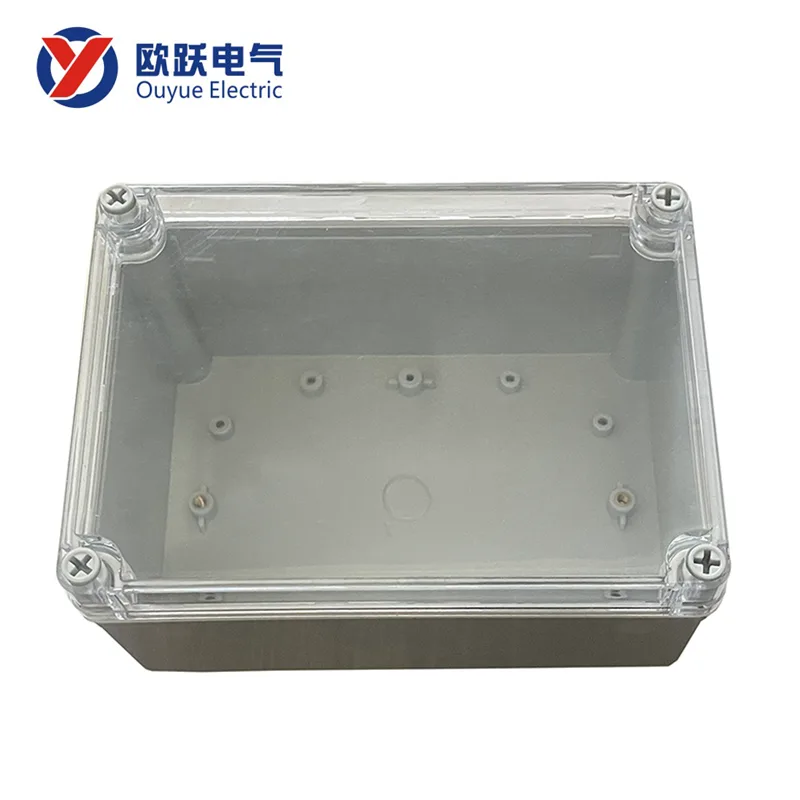
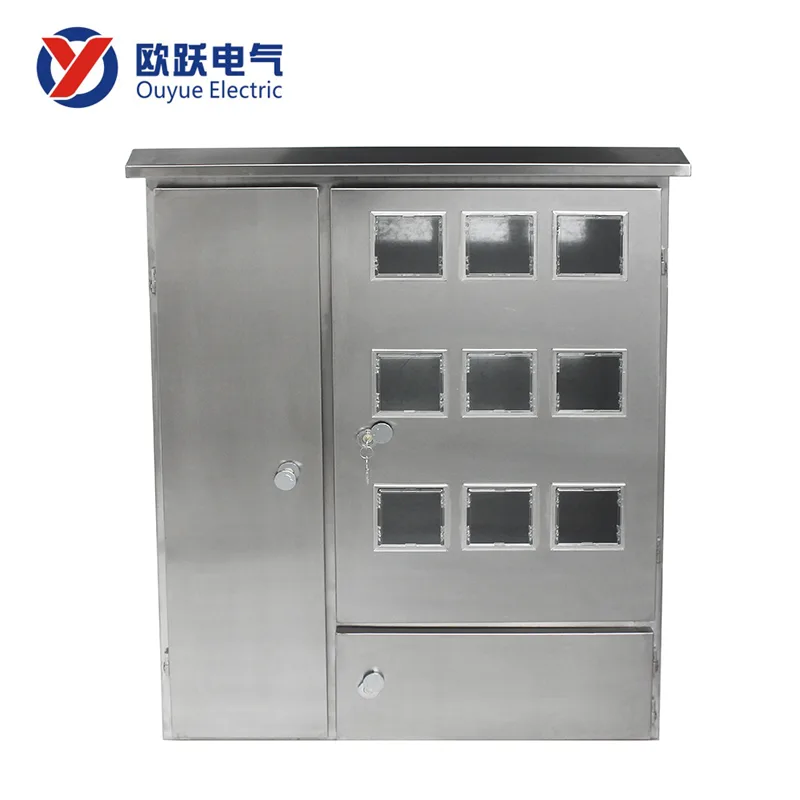
For drawing based fabrication of US bound enclosures, the edition cited on the drawing must match the project state. Ouyue Electric works from drawings, with length, width, height, sheet thickness, material, cutout positions, printing and vent quantity all adjustable to drawing. Enclosures come in iron, 304 stainless steel and 316 stainless steel, with protection ratings available in IP54, IP55, IP56 and IP65, from a minimum order of 10 pieces.
No. NFPA publishes the NEC, and adoption sits with states and local jurisdictions. Federal rules do not set the edition a state enforces, so the compliance basis for one shipment can differ between states.
Confirm the project state and the local AHJ first. Where the state still enforces the 2023 edition, a design to the 2026 edition may fail local acceptance, and the reverse applies as well.
Use the NFPA NEC enforcement map, or ask the AHJ for a written answer. Third party summary tables update on different schedules, and the AHJ prevails where sources conflict.
The protection rating follows product standards and site conditions, and does not map one to one onto an NEC edition. The edition sets the installation and acceptance basis; the two are confirmed separately.
Yes. The standard edition, cutout positions, material and surface finish marked on the drawing are checked item by item during confirmation, before production starts.
For US bound enclosures made to a project drawing, include the project state, the NEC edition enforced by the local AHJ and the drawing in the enquiry, and the technical team confirms cutouts, marking and material accordingly. Enquiries can be sent through the enquiry form.