News

New IEC 61439-8:2026 Rules for PV Metal Distribution Boxes

2026-09-18 0 Leave me a message

PV metal distribution boxes: what the new standard changes

IEC 61439-8:2026 was published on 13 March 2026 as edition 1 and remains current. The full title is Low-voltage switchgear and controlgear assemblies - Part 8: Assemblies for use in photovoltaic installations.

The standard sets design and verification requirements for low-voltage switchgear and controlgear assemblies used in photovoltaic installations, covering definitions, service conditions, construction requirements, technical characteristics and verification methods. Design work on a PV metal distribution box now follows a part written specifically for photovoltaic duty, rather than the general parts alone.

IEC is the International Electrotechnical Commission, and the IEC 61439 series is the internationally used standard family for low-voltage assemblies.

CENELEC has adopted IEC 61439-8:2026 as the European standard EN IEC 61439-8:2026, published on 23 April 2026 as a 59-page English edition. European countries then adopt the European text as national standards, including SIST EN IEC 61439-8:2026 in Slovenia and SM EN IEC 61439-8:2026 in Malta.

One point needs stating plainly: IEC standards are international voluntary standards. Whether a standard becomes mandatory depends on the regulations of the destination market and on the contract. Export projects normally name the standard number in the technical agreement or the tender documents and require the supplier to provide the matching design and verification documentation.

Four characteristics of the scope

The standard lists the characteristics of a photovoltaic assembly (PVA). A designer preparing a PV metal distribution box can compare a project against four conditions to judge whether the standard covers the project.


  • DC system: assemblies combining electrical energy in DC systems where input and output voltage does not exceed 1,500 V DC.
  • AC circuits: assemblies supplied from an AC network for auxiliary and control purposes where voltage does not exceed 1,000 V AC.
  • Construction: stationary assemblies with an enclosure.
  • Installation: suitable for indoor or outdoor installation.


Where all four conditions hold, the assembly falls under the standard. Outdoor projects also need the material and the protection rating confirmed against site conditions.

What the standard requires of the enclosure

The standard treats the enclosure as a part of the assembly. According to the published standard summary, enclosure-related content covers mechanical strength, temperature limits, protection against electric shock, solar radiation and climatic durability, internal separation and protective earthing.

On protection ratings, the summary lists the IP code family for ingress of solid objects and liquid, and the IK code family for external mechanical impact.

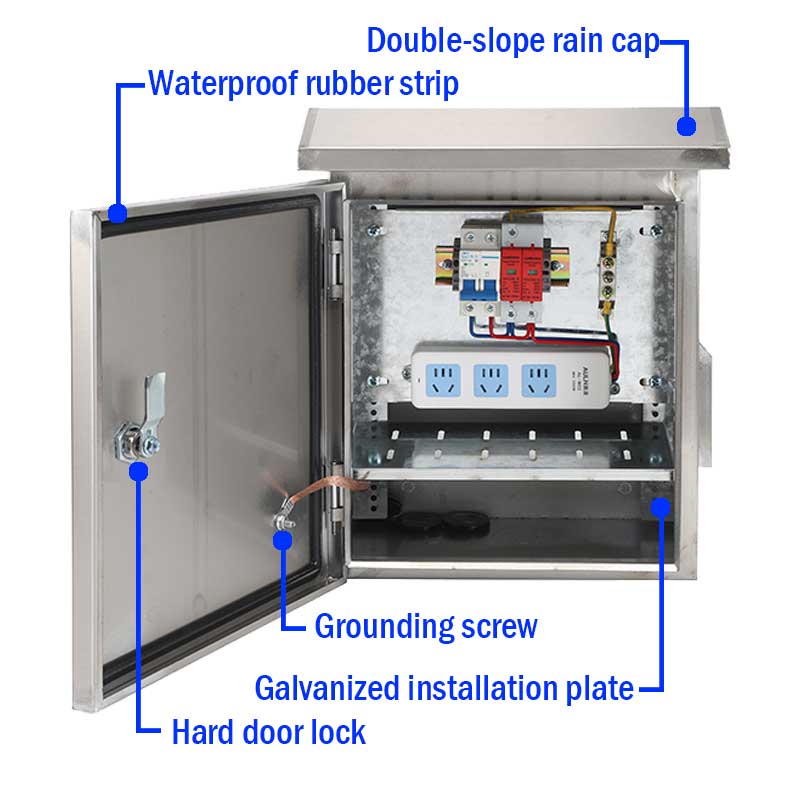
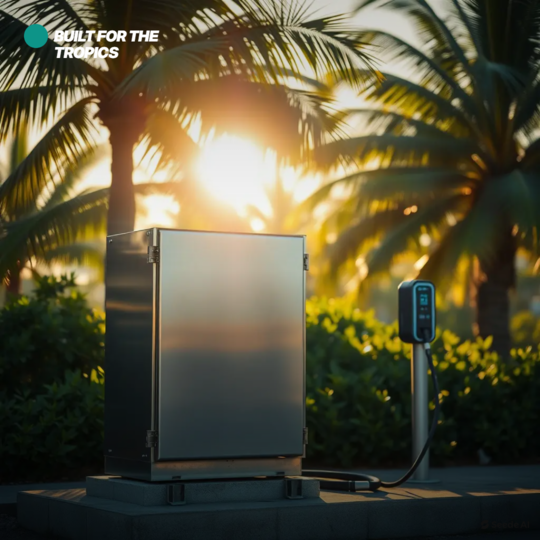
For a PV metal distribution box, outdoor and coastal projects need two properties checked together: climatic durability and resistance to mechanical impact. A stainless steel enclosure suits damp and high-salinity sites, while the IK rating decides whether the enclosure survives the knocks and impacts of an installation site.

On verification, the summary mentions dielectric properties, thermal cycling, climatic durability and short-circuit withstand strength within design verification, with routine verification covering mechanical integrity and sustained performance. Design margin in the enclosure and in the internal structure decides whether verification passes.

Custom-built assemblies are covered too

The standard applies to all photovoltaic assemblies, whether designed and manufactured on a one-off basis or fully standardised and manufactured in quantity. Manufacture or assembly may be carried out by an entity other than the original manufacturer. For a factory working to drawings and for overseas buyers, a PV metal distribution box falls inside the scope whether the order is a single prototype or a repeat batch, and the documentation requirements apply just the same.

What falls outside the standard

The standard excludes several items. Buyers and designers need to separate the enclosure from the components inside, because the two carry different judgements.


  • Individual devices: circuit-breakers, fuse switches and self-contained components such as motor starters, switched-mode power supplies (SMPS), uninterruptible power supplies (UPS) and stand-alone energy storage systems, each following the relevant product standard.
  • Photovoltaic module junction boxes: treated as individual devices, outside the standard.
  • Photovoltaic power conversion equipment (PCE): equipment incorporating DC combination sub-systems, covered by the IEC 62109 series.


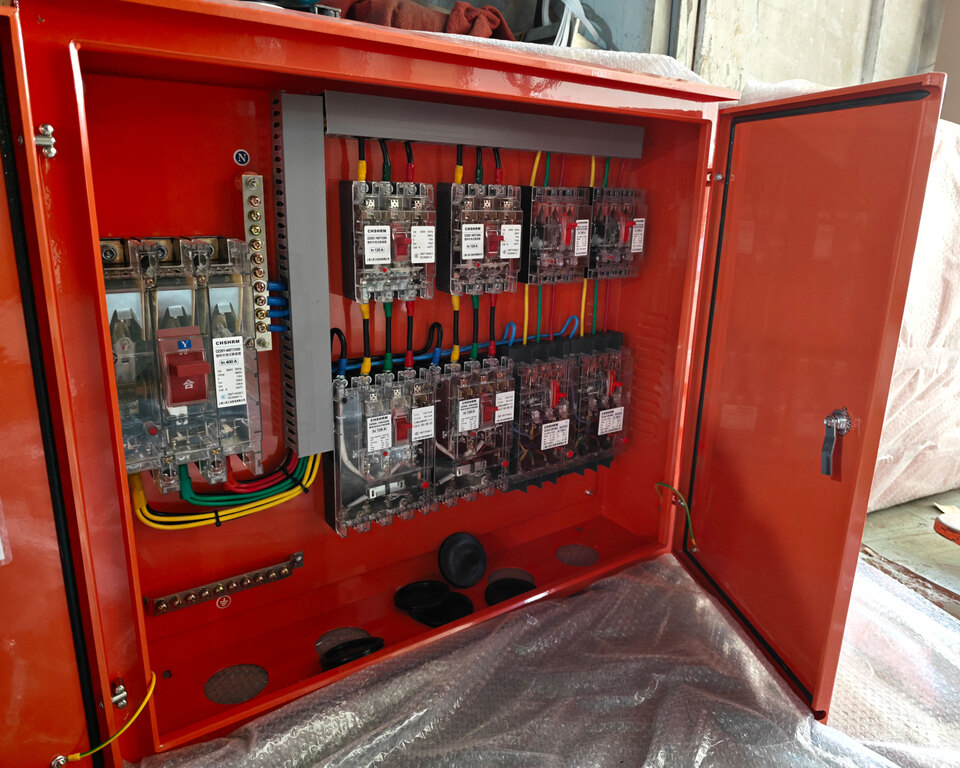
The standard describes how such parts integrate into a photovoltaic assembly, or into an empty enclosure used as part of a photovoltaic assembly. The empty enclosure section of a PV metal distribution box sits inside the scope, while components inside the enclosure are judged under the relevant product standards. Explosive atmospheres, functional safety and similar special applications may bring in further standards or local installation rules.

What buyers and designers need to re-check

Once the standard lands, purchasing documents and drawings for a PV metal distribution box need the standard number added, and supplier verification documents need checking against the new part. Five items are worth confirming.


  • Name the standard number in purchasing documents: write IEC 61439-8:2026 into tender documents, drawings and technical agreements; European projects should also name EN IEC 61439-8:2026, with the supplier providing the matching design and verification documents.
  • Choose material by environment: 304 or 316 stainless steel suits outdoor, coastal and high-humidity sites; cold-rolled steel with a powder coating suits indoor switch rooms with air conditioning and mechanical ventilation.
  • Confirm enclosure protection and impact ratings: agree the IP rating and the IK rating against the duty, and for outdoor projects confirm verification covering solar radiation and climatic durability.
  • Settle voltage boundaries early: where the DC design voltage exceeds 1,500 V DC, the applicable standard needs separate confirmation with the supplier and the designer.
  • Agree the integration split: components inside the enclosure are judged under product standards and the enclosure under the standard, with both bases marked separately on the drawings.


Ouyue Electric supply capability

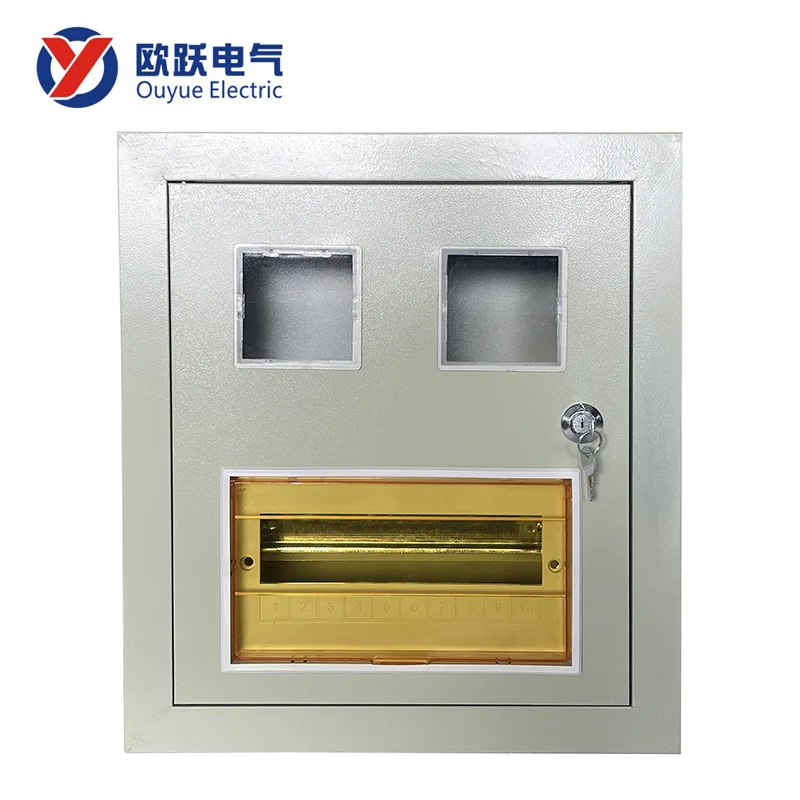
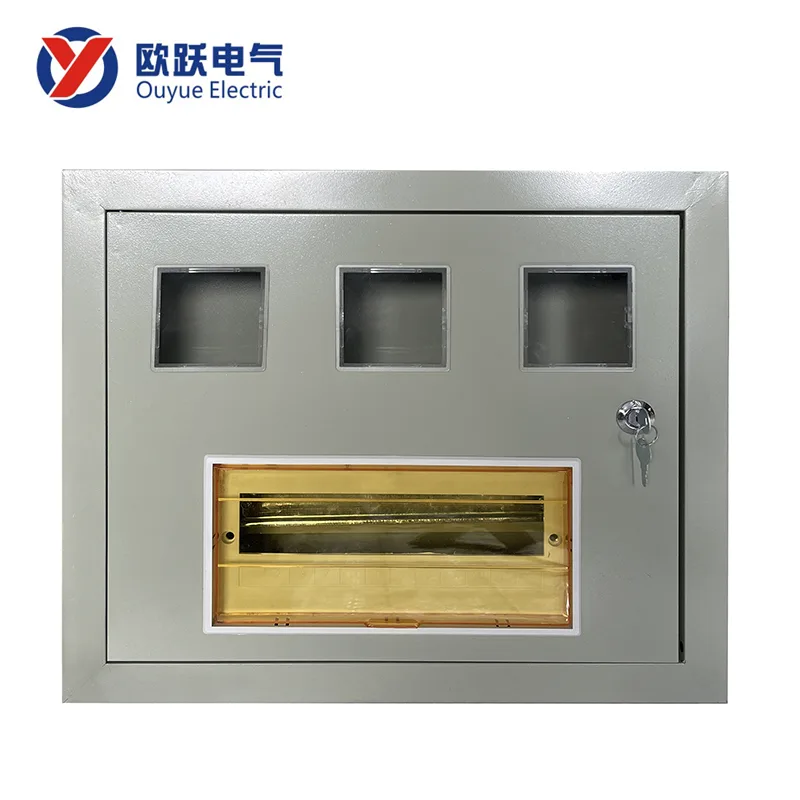
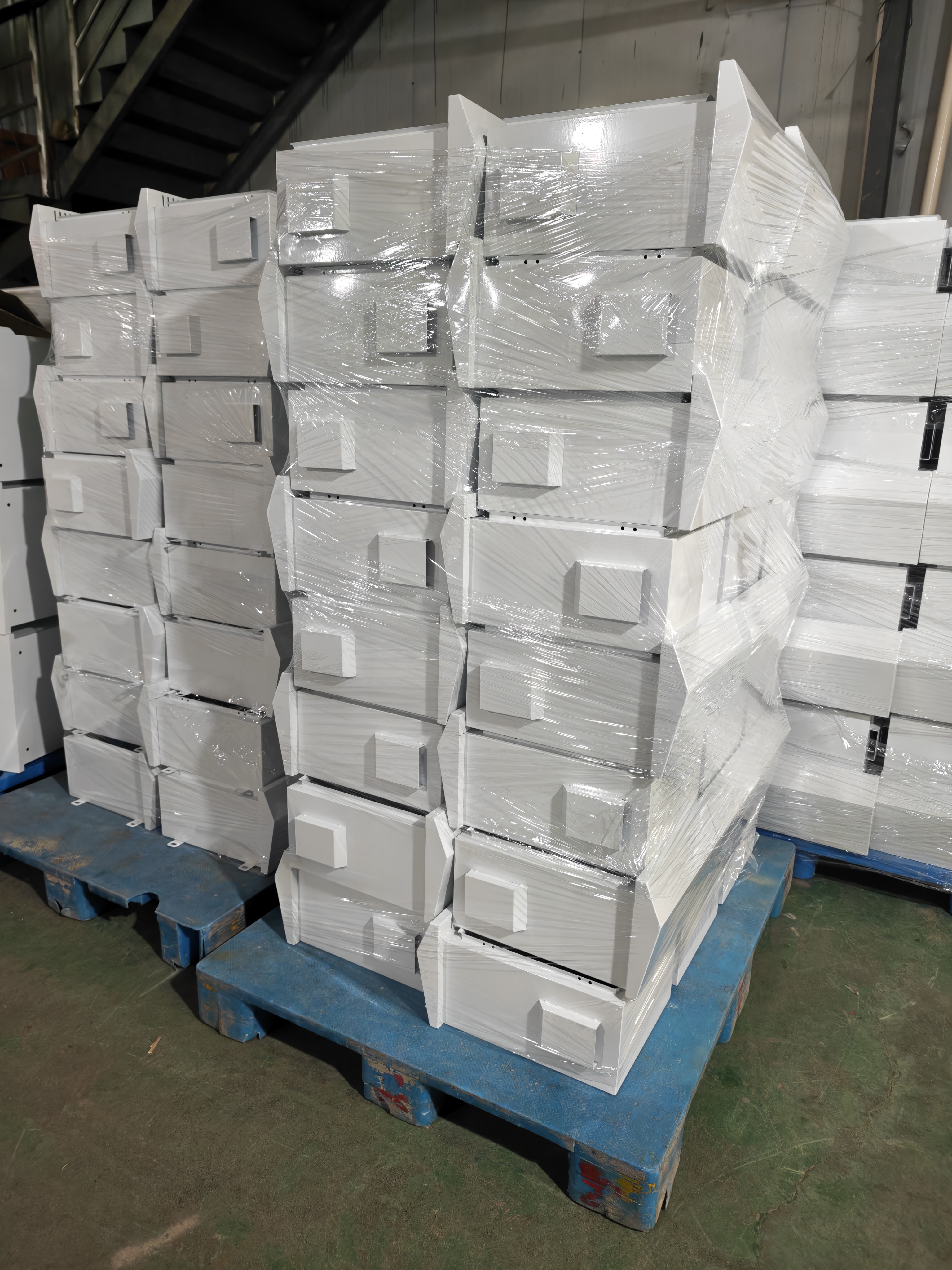
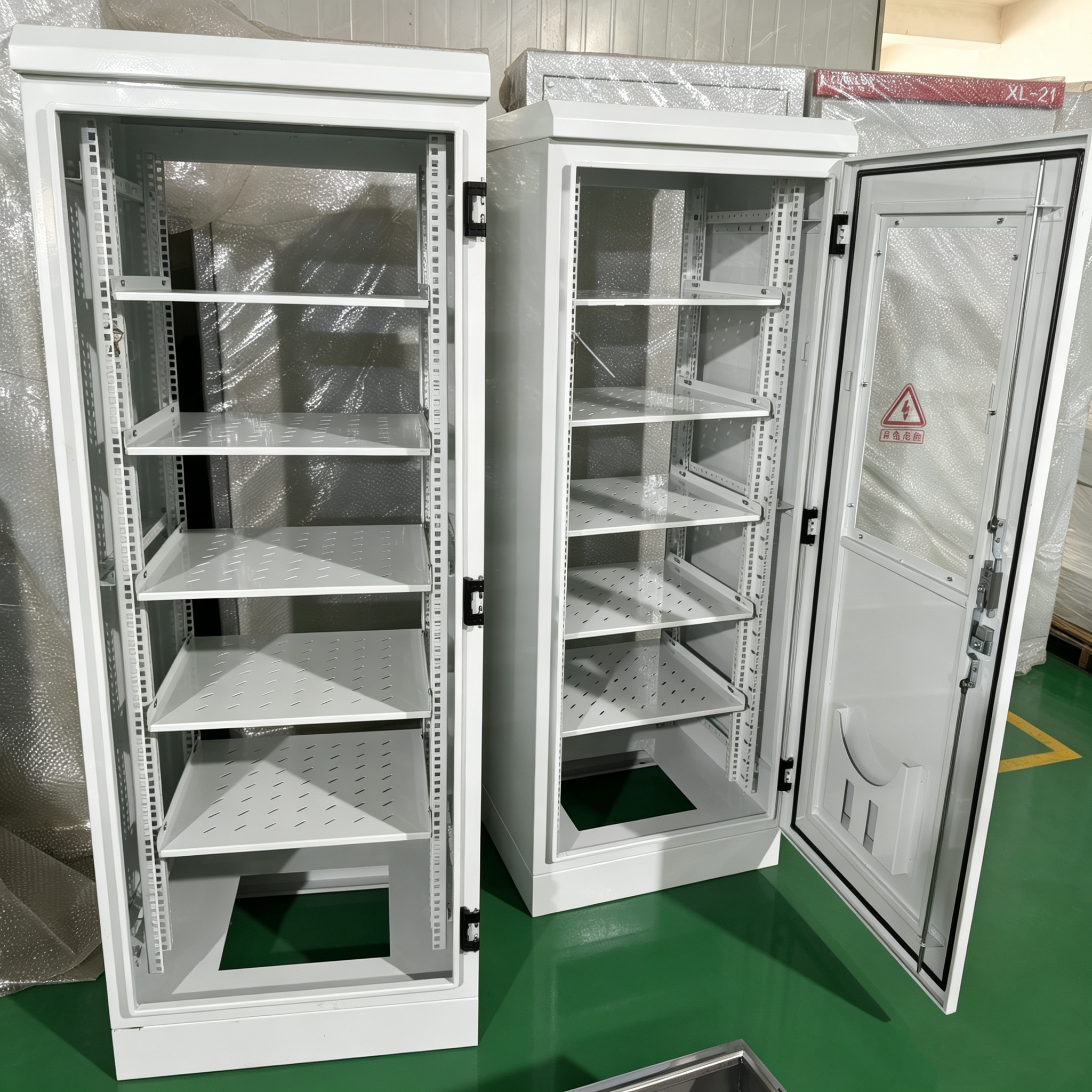
Ouyue Electric (Zhejiang Ouyue Electric Co., Ltd.) supplies PV metal distribution box enclosures in cold-rolled steel, 304 stainless steel and 316 stainless steel, with protection ratings available in IP54, IP55, IP56 and IP65, a minimum order of 10 units, CE certification, and drawing-based customisation of enclosure size, cut-out positions, internal baffles and marking.

Full specifications appear on the metal distribution box product page and the stainless steel distribution box product page.

Frequently asked questions

Is IEC 61439-8:2026 mandatory?

IEC standards are international voluntary standards. Mandatory status depends on the regulations of the destination market and on the contract. Export projects normally name the standard number in the technical agreement or the tender documents as the acceptance basis.

Which standard number applies to European customers?

The European edition is EN IEC 61439-8:2026, published by CENELEC on 23 April 2026, and European countries have adopted the European text as national standards. Marking both numbers is the safer route for European customers.

Does an empty enclosure fall inside IEC 61439-8:2026?

Yes. The standard brings an empty enclosure used as part of a photovoltaic assembly into scope, so the enclosure section of a PV metal distribution box is covered, while individual devices such as circuit-breakers and UPS units follow the relevant product standards.

What are the DC and AC voltage limits?

DC systems combining electrical energy are covered up to 1,500 V DC, and AC circuits for auxiliary and control purposes are covered up to 1,000 V AC. A design above either figure needs the applicable standard confirmed separately.

Do photovoltaic module junction boxes fall under the standard?

No. A photovoltaic module junction box is treated as an individual device under the relevant product standard. Photovoltaic power conversion equipment falls under the IEC 62109 series.

Does the standard cover custom-built enclosures?

Yes. The standard covers single one-off builds and fully standardised quantity production, and manufacture or assembly may be carried out by an entity other than the original manufacturer.


To check a PV metal distribution box project against IEC 61439-8:2026, or to request a drawing-based quotation, send the drawings and project requirements to the enquiry form. The Ouyue Electric technical team replies with confirmation of material, cut-outs and protection rating.


Related News
Leave me a message
X
We use cookies to offer you a better browsing experience, analyze site traffic and personalize content. By using this site, you agree to our use of cookies. Privacy Policy
RejectAccept