News

DC Distribution Cabinet Design: Four Rules to Rebuild

2026-11-24 0 Leave me a message

DC Distribution Cabinet Design: Four Rules to Rebuild

800 VDC is no longer a roadmap item. NVIDIA requires 800 VDC starting with the Rubin Ultra and Kyber racks in 2027, at 600 kW per rack and up to 1 MW. Cabinets have to change with the architecture, and the change is structural rather than a new nameplate.


Why 800 VDC Landed on the Cabinet

Data centres ran on AC for decades: utility feed, stepped-down transformers, PDUs to each rack, then a conversion to 48 to 54 VDC inside the rack. Past 600 kW per rack the conversion chain runs out of room, with losses and copper mass both climbing. At 800 VDC the current falls, conversion stages drop out, and the same cross-section carries more power.

The industry treats 800 VDC as a long-term standard for a safety reason. Razvan Panati, VP of product strategy at Bloom Energy, puts the ceiling at the protection layer: higher voltage raises protection and arc flash concerns, so 800 VDC balances practical reach against safety.

The schedule is already fixed. Rubin Ultra and Kyber land in 2027, with Kyber holding 144 Rubin Ultra GPUs, or 576 dies, in a single rack. Large power transformers now run three to four years out, later than the racks themselves, so projects look elsewhere on the supply side and in-cabinet distribution becomes the segment tied to the delivery date.

Why AC Cabinet Experience Does Not Transfer

The most common mistake in DC distribution cabinet design is to take an AC drawing, change the nameplate and ship. The two currents behave differently, and sheet metal does not follow a label change.

AC crosses zero twice per cycle, so the arc quenches at the crossing and the chute only has to stretch and cool the plasma. DC has no zero crossing. Once an arc strikes, external energy keeps the plasma alive, and the break has to do extra work to kill the arc. Higher voltage and higher loop inductance both make extinction harder.

The second difference sits on the insulating surface. A DC field points one way, so electrochemical migration and electrolytic corrosion accumulate in one direction under moisture and contamination. AC reverses every cycle and interrupts the accumulation. At the same voltage class, DC creepage is usually the stricter requirement, and AC figures applied directly come out too loose.

Rule One: Rebuild the Arc Chute

Splitter plates, arc runners and barriers in an AC cabinet are designed around the zero crossing. A DC cabinet reusing the same hardware sees longer arc duration, faster plate erosion and, in bad cases, welded contacts.

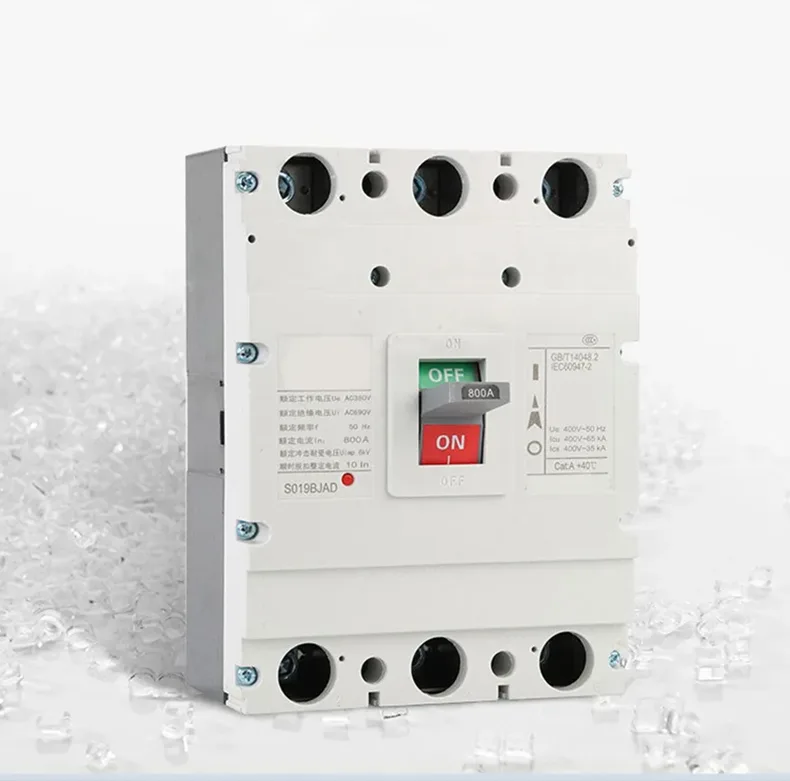
Several routes exist: more series breaks, magnetic blowout to drive the arc into the chute, or a hybrid arrangement with a semiconductor taking the break. The choice depends on rated current, prospective short-circuit current and permitted break time. Change any of the three and the internal layout moves with the change.

The structural result is depth. A longer arc chamber and wider insulation distances make a DC cabinet deeper than an AC cabinet at the same current rating, and busbar routing has to leave room for the arc path.

Rule Two: Recalculate Creepage and Clearance

Insulation coordination is the most under-estimated item in DC distribution cabinet design. An AC creepage table is read from rated voltage and pollution degree; a DC cabinet also carries surface degradation under a constant field.

Two conservative rules cover most cases. Take the peak of the working voltage as the basis rather than the RMS value. Take the pollution degree one step stricter, and stricter still for outdoor and semi-outdoor sites. Conservative figures are the safer trade, because the cleaning cycle belongs to the user once the cabinet is installed, not to the fabricator.

Rule Three: Check CTI on Insulating Parts

Supports, barriers and terminal blocks are usually specified as CTI 600 flame-retardant engineering plastic on an AC cabinet. Under a constant DC field plus condensation, the tracking threshold on the surface drops, and the same material performs worse than the AC data sheet suggests.

Two alternatives exist: move to a higher material class, or lengthen surface creepage and add hydrophobic treatment. Both carry cost. Material cost sits in the resin, creepage cost sits in tooling and process. Small batches favour a structural change; large batches favour the material upgrade.

Rule Four: Busbars and Temperature Rise

Busbars are the one place where DC distribution cabinet design gets easier. AC busbar losses include skin effect and proximity effect, so effective conducting area falls as frequency and thickness rise. DC has no skin effect, current spreads evenly across the same section, and the busbar can be sized on pure DC resistance.

Easier does not remove the test. Temperature rise inside a cabinet follows the layout: busbar spacing, heat conduction through supports, the convection path, and roof area for heat rejection. Move the layout and the hot spot moves, so the temperature-rise test has to run again on the final build rather than lean on the previous report.

Four Differences in One Table

Four sections compress into one table for a design review.

Item Standard AC practice What changes for DC
Arc extinction Zero crossing quenches the arc; splitter plates plus arc runners More series breaks or magnetic blowout, or a semiconductor-assisted break; extra cabinet depth
Creepage and clearance Read from RMS voltage and pollution degree Base on peak voltage, tighten pollution degree, keep margin for surface ageing
Insulating parts CTI 600 flame-retardant engineering plastic, selected for AC Higher material class, or longer creepage with hydrophobic treatment
Busbars and temperature rise Skin and proximity effect included, section oversized Size on pure DC resistance and trim margin; repeat the temperature-rise test on the final layout

Two Extra Variables Outdoors

DC distribution cabinet design is still mostly an indoor or prefabricated-room exercise. Move the cabinet outdoors or semi-outdoors and protection plus condensation become new variables. The IP rating sets the moisture path, and pressure equalisation sets the breathing driven by the temperature swing. A sealed cabinet breathes twice a day, condensate collects at the floor and around busbar supports, and both are the surfaces most sensitive to tracking.

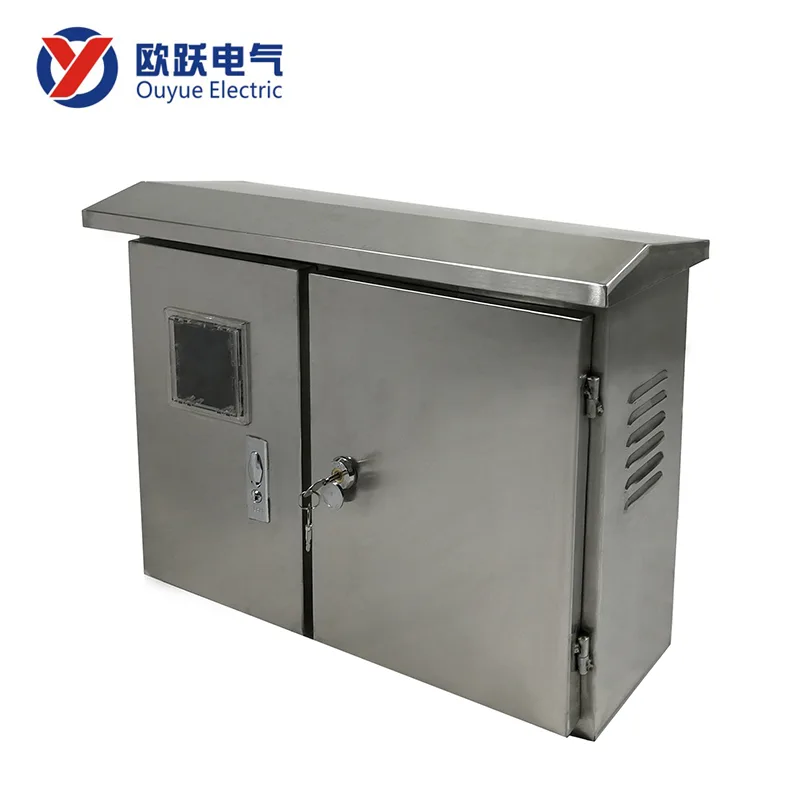
Pressure compensation valves and a drain path handle most of the problem, with heating or ventilation inside the cabinet. Ouyue Electric supplies enclosures with protection ratings available in IP54, IP55, IP56 and IP65, selected against the cleaning method and rainfall on site rather than against habit.

Three Things to Do Now

One hour: flag DC enquiries separately. An AC quotation applied to a DC project costs far more in rework than a flag costs today.

One person-day: write a one-page difference list between AC and DC builds, shared by design and sales. The list needs no final answers; the value is asking the same four questions at every review.

One week: ask an insulating-parts supplier with DC experience for CTI data and long-term field-stress ageing. Material parameters do not come from a catalogue, only from the supplier.

Where Ouyue Electric Fits

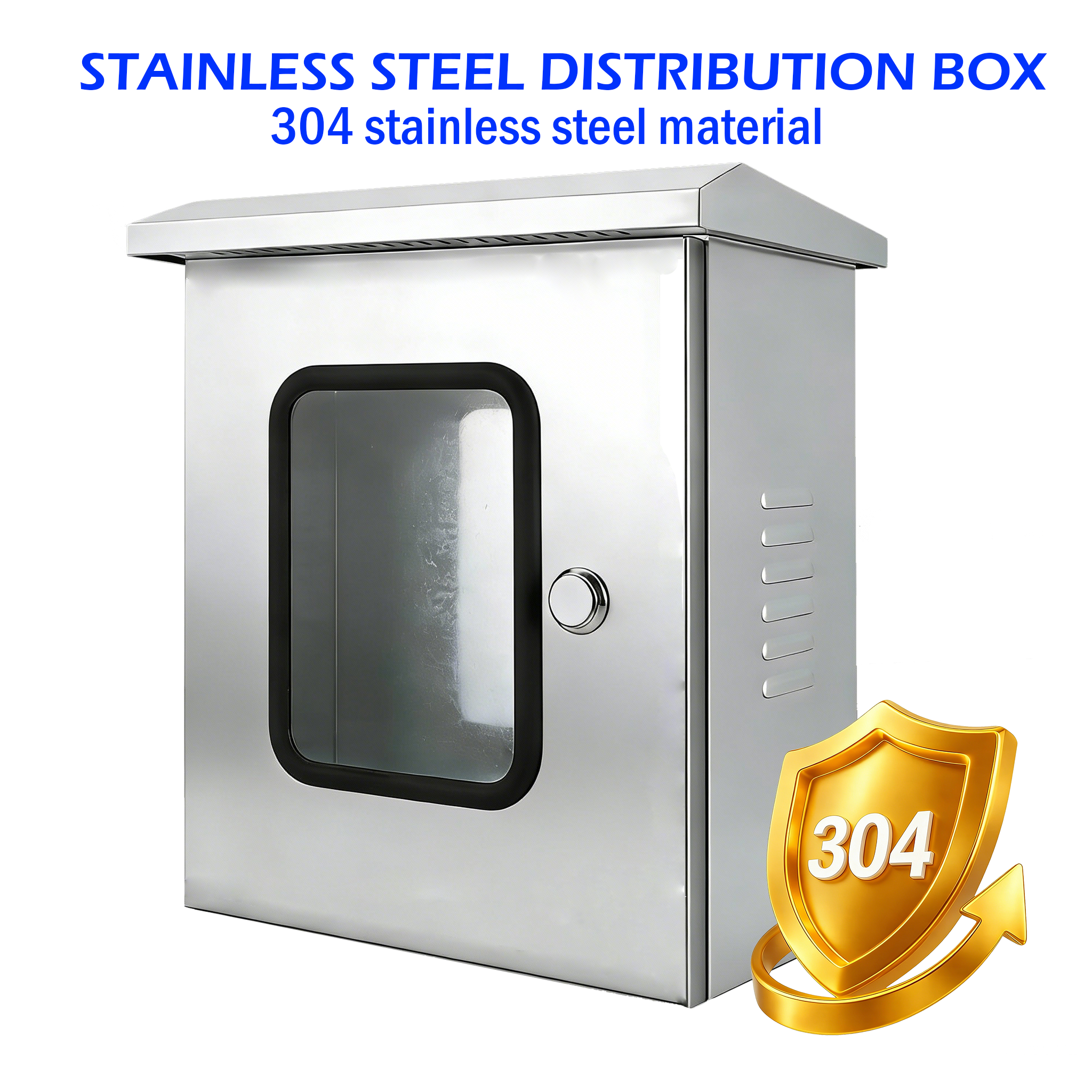
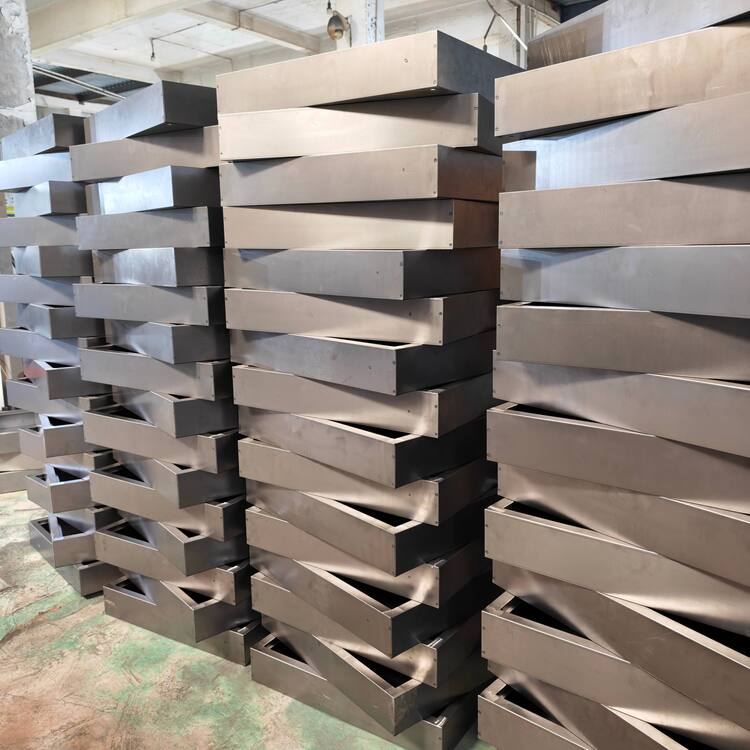
The core of DC distribution cabinet design sits in devices and arc management; the enclosure carries space, insulation support and protection. Ouyue Electric builds floor-standing outdoor cabinets and stainless steel enclosures from 10 units, in iron, 304 and 316 stainless steel, made to drawing and CE certified.

Before a DC distribution cabinet design goes to the floor, put four items into the drawing review: rated voltage, prospective short-circuit current, permitted break time and installation environment. Miss one and the structural dimensions become a guess.

Related News
Leave me a message
X
We use cookies to offer you a better browsing experience, analyze site traffic and personalize content. By using this site, you agree to our use of cookies. Privacy Policy
RejectAccept