News

Custom PLC Control Cabinets for a Saudi Desalination Plant

2026-09-21 0 Leave me a message

PLC control cabinet demand in Saudi desalination expansion

Water demand in Saudi Arabia grows by roughly 7% a year, and the population is projected to rise from 35.9 million to more than 48.4 million by 2050.

The Ministry of Environment, Water and Agriculture plans to draw 90% of water demand from desalination by 2030, and has allocated USD 80 billion to water projects. A shortfall of about 4.5 million cubic metres per day in urban desalinated supply requires new plants. The Saline Water Conversion Corporation operates 30 plants, with 5 more under construction for commissioning in 2027.

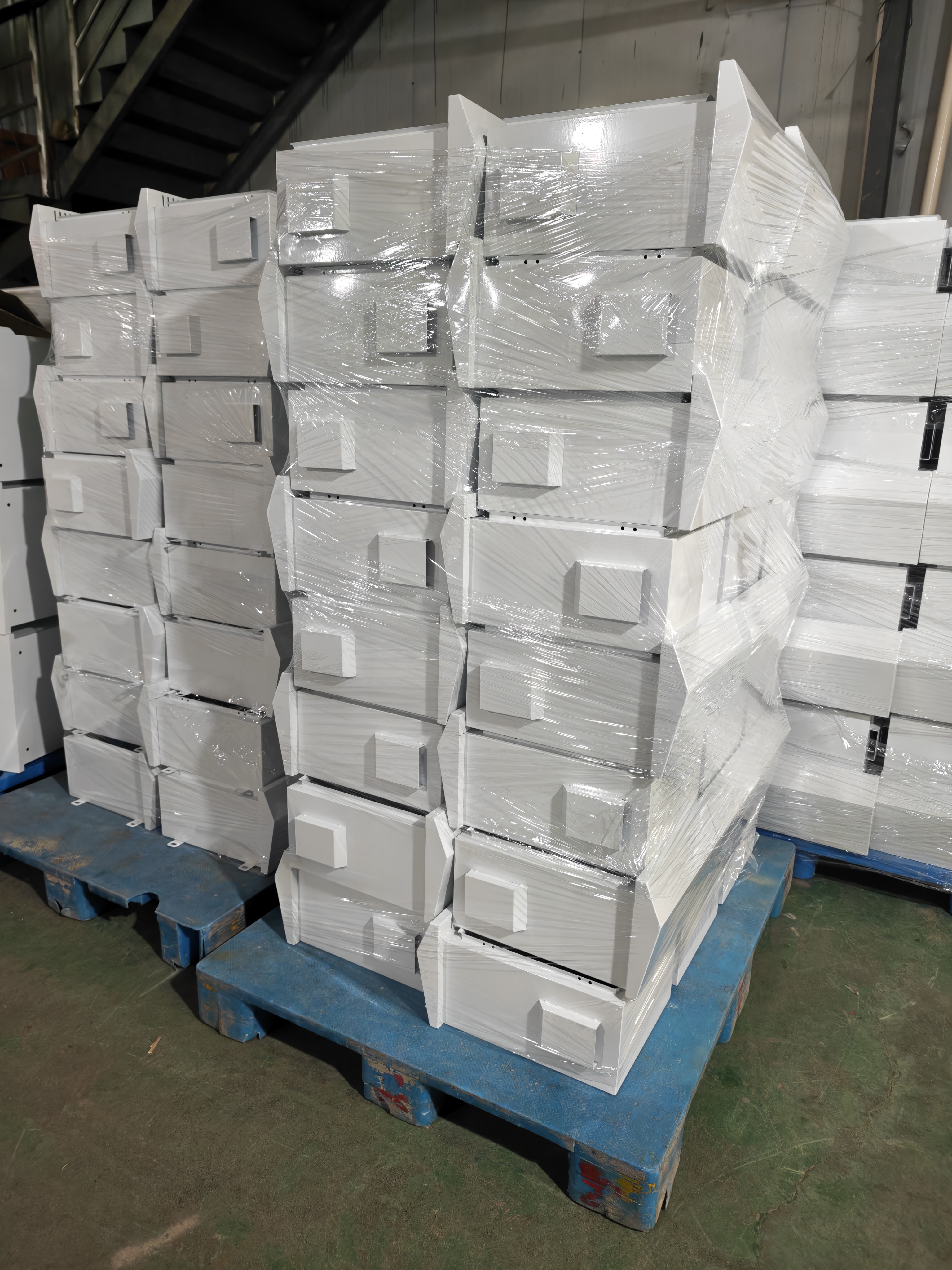
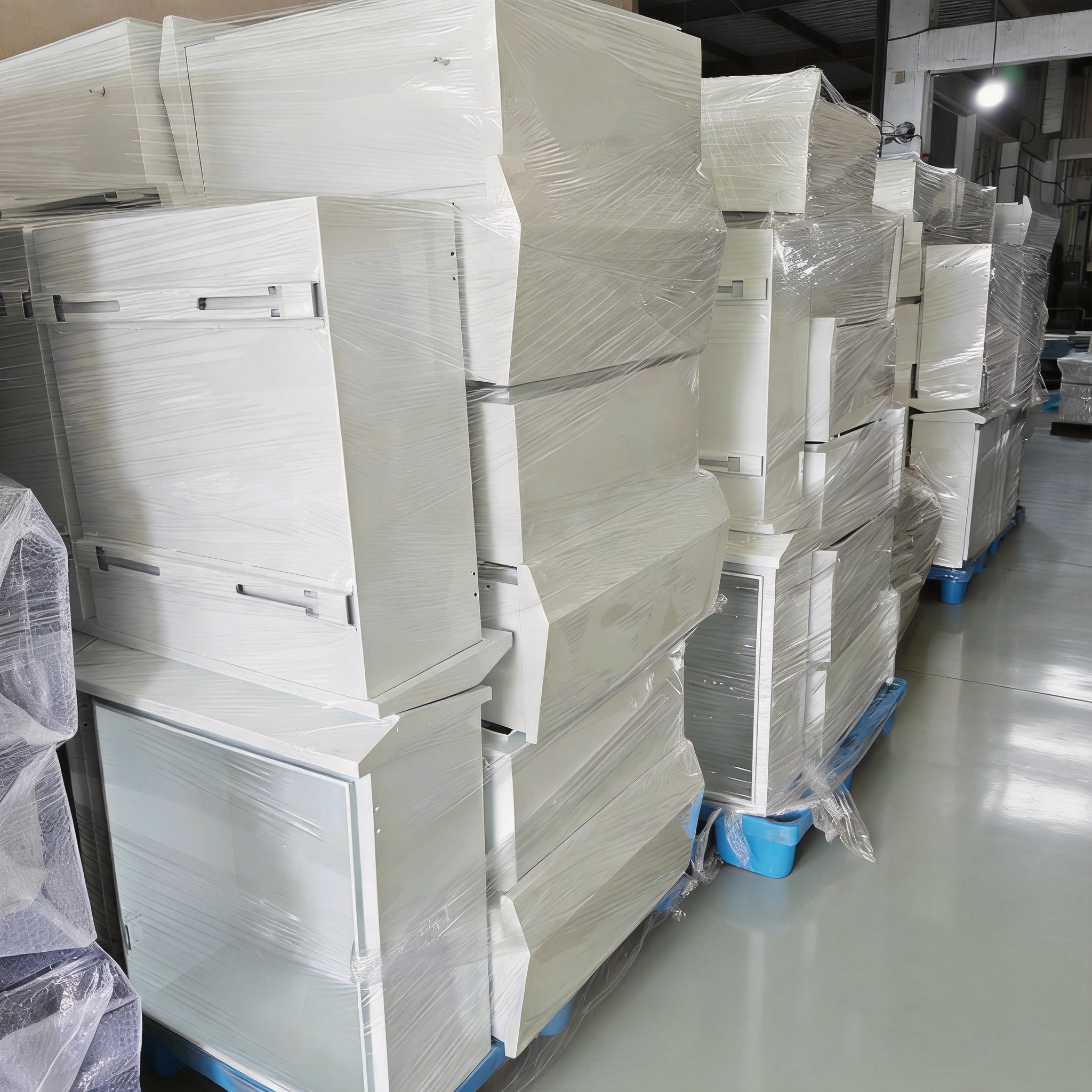
New plants bring in large volumes of packaged electrical equipment. Pump sets, valves and reverse osmosis membrane skids all need local control, and site conditions differ sharply from an ordinary factory building. Ouyue Electric has recently completed a batch of custom PLC control cabinets designed around the site conditions of a Saudi desalination project.

Three site constraints: salt, heat and humidity


Electrical equipment at a desalination plant faces three adverse conditions at the same time.

  • Salt: Gulf seawater runs about 25% saltier than most seas. Saudi Arabia, the UAE, Kuwait and Qatar together produce roughly 55% of the world's brine. Airborne salt mist attacks metal parts continuously, and corrosion does not stop.
  • Heat: Summer ambient temperatures in Saudi Arabia commonly sit between 45C and 50C. Heat from variable frequency drives and PLC units stacks on top of ambient temperature, and the available temperature rise margin is consumed quickly.
  • Humidity: Coastal humidity is high and the day-night temperature swing is wide, so condensation forms inside the enclosure and the risk of moisture damage to electronic components and terminal blocks rises.

Where all three conditions occur together, enclosure material and structure stop being optional choices and start determining whether equipment keeps running. The design of the batch of PLC control cabinets works to reduce all three constraints.

Why a powder-coated steel cabinet is the wrong choice

A powder-coated cold-rolled steel enclosure offers good value in a dry indoor room, and runs into two problems at a desalination site.

The first problem is coating integrity. Once the coating is scratched in transit, during lifting or during maintenance, the bare steel underneath corrodes quickly in salt mist, and corrosion spreads outward from the scratch. Touch-up paint on site is limited by schedule and humidity, and rarely reaches the original standard.

The second problem is coating adhesion. Coastal humidity reduces adhesion, and blistering and flaking become more likely, so protection degrades over time.

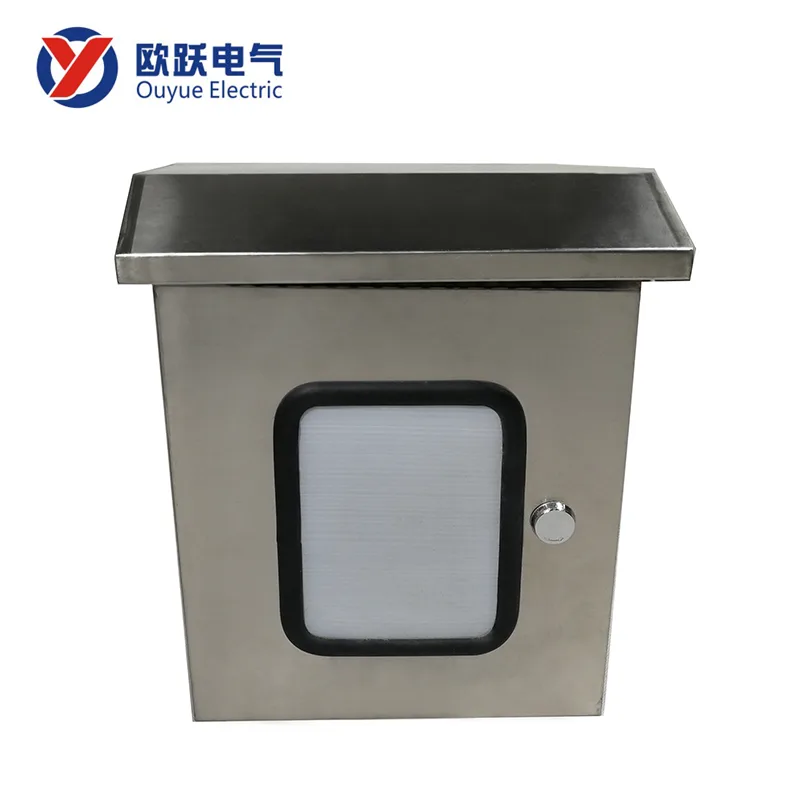
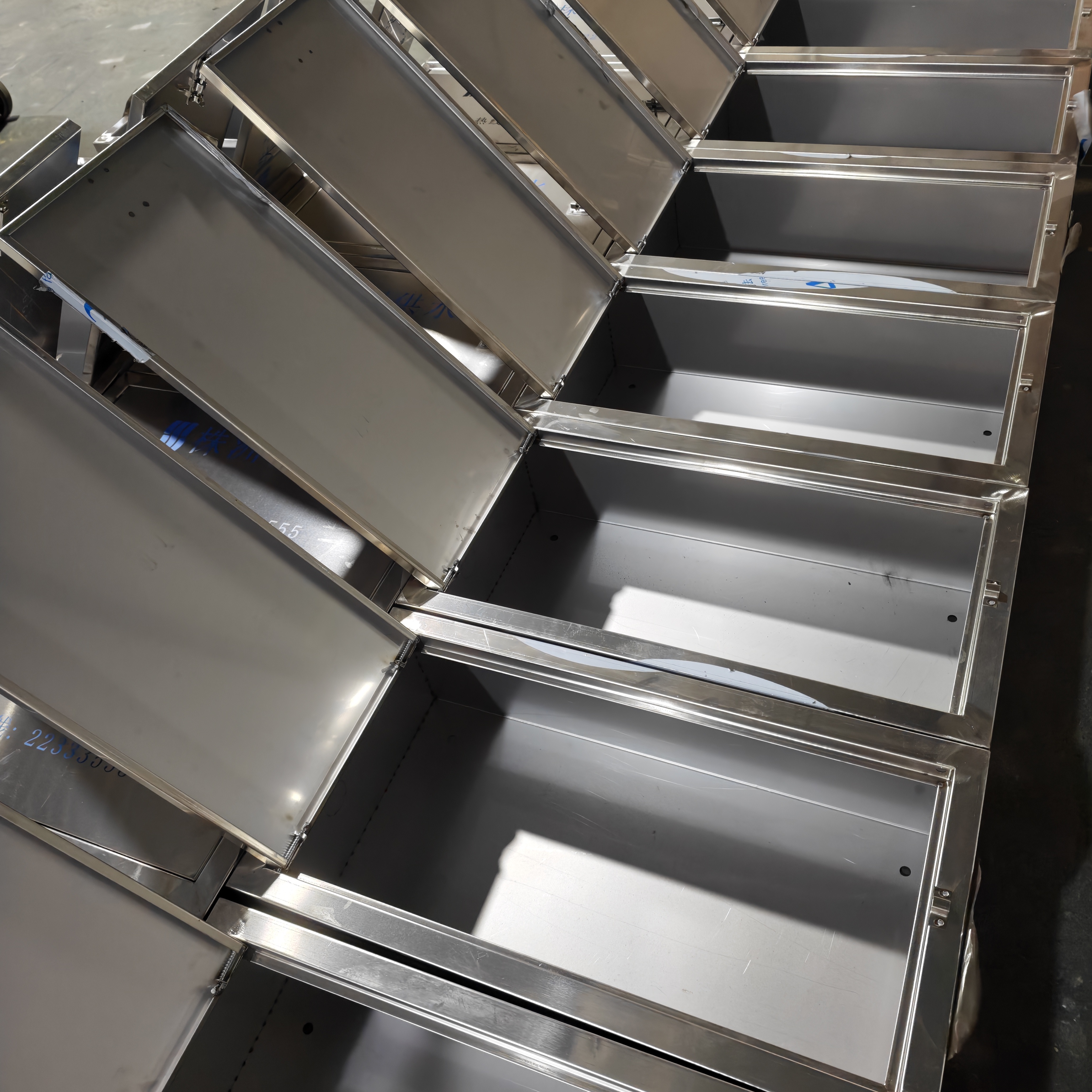
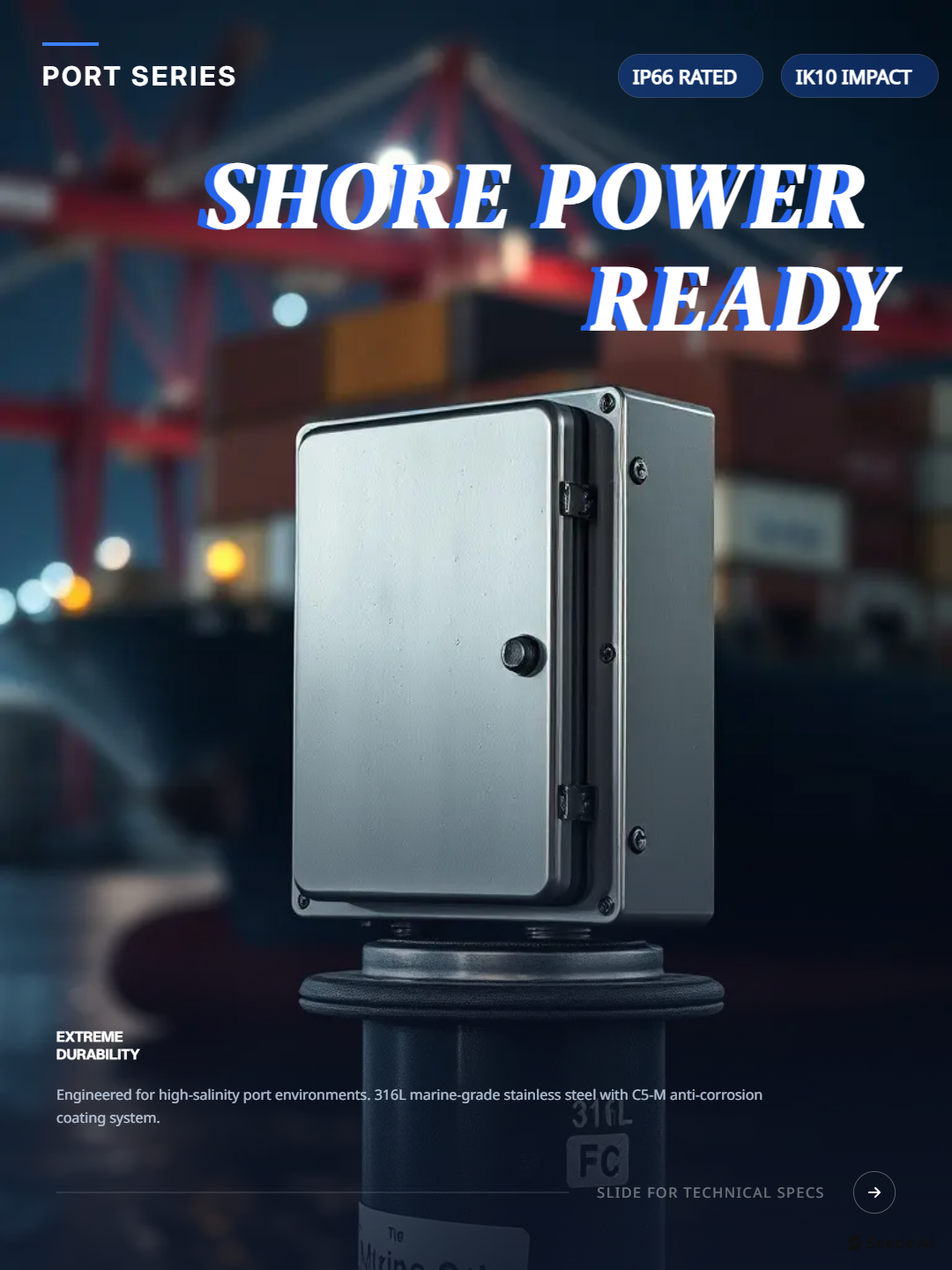
316 stainless steel costs more than powder-coated steel, and takes corrosion resistance from the material rather than from coating integrity. On a site with frequent maintenance and little chance of repainting, a material with built-in corrosion resistance is the more dependable route, so the batch of PLC control cabinets uses 316 stainless steel. Grade 316 contains molybdenum and resists chloride pitting better than grade 304.

What was customised in the batch of PLC control cabinets

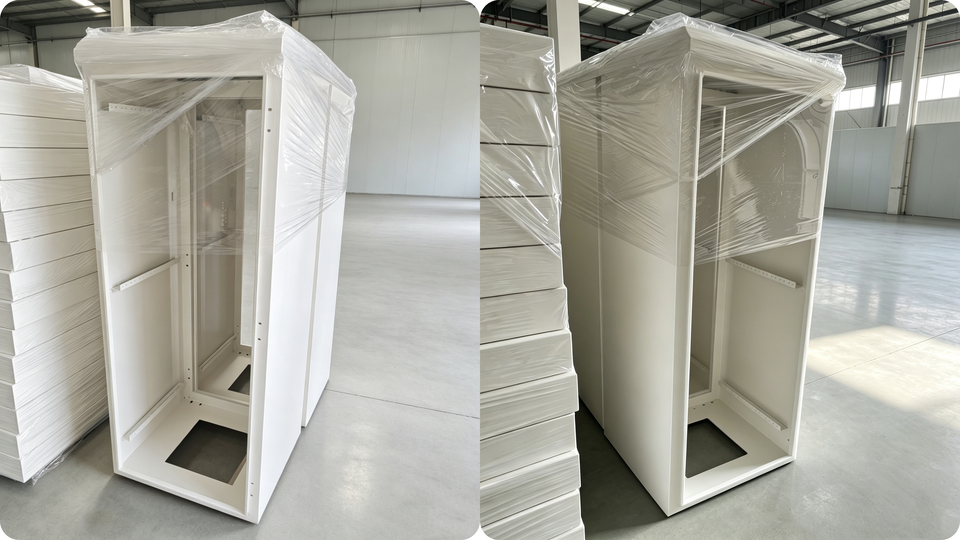
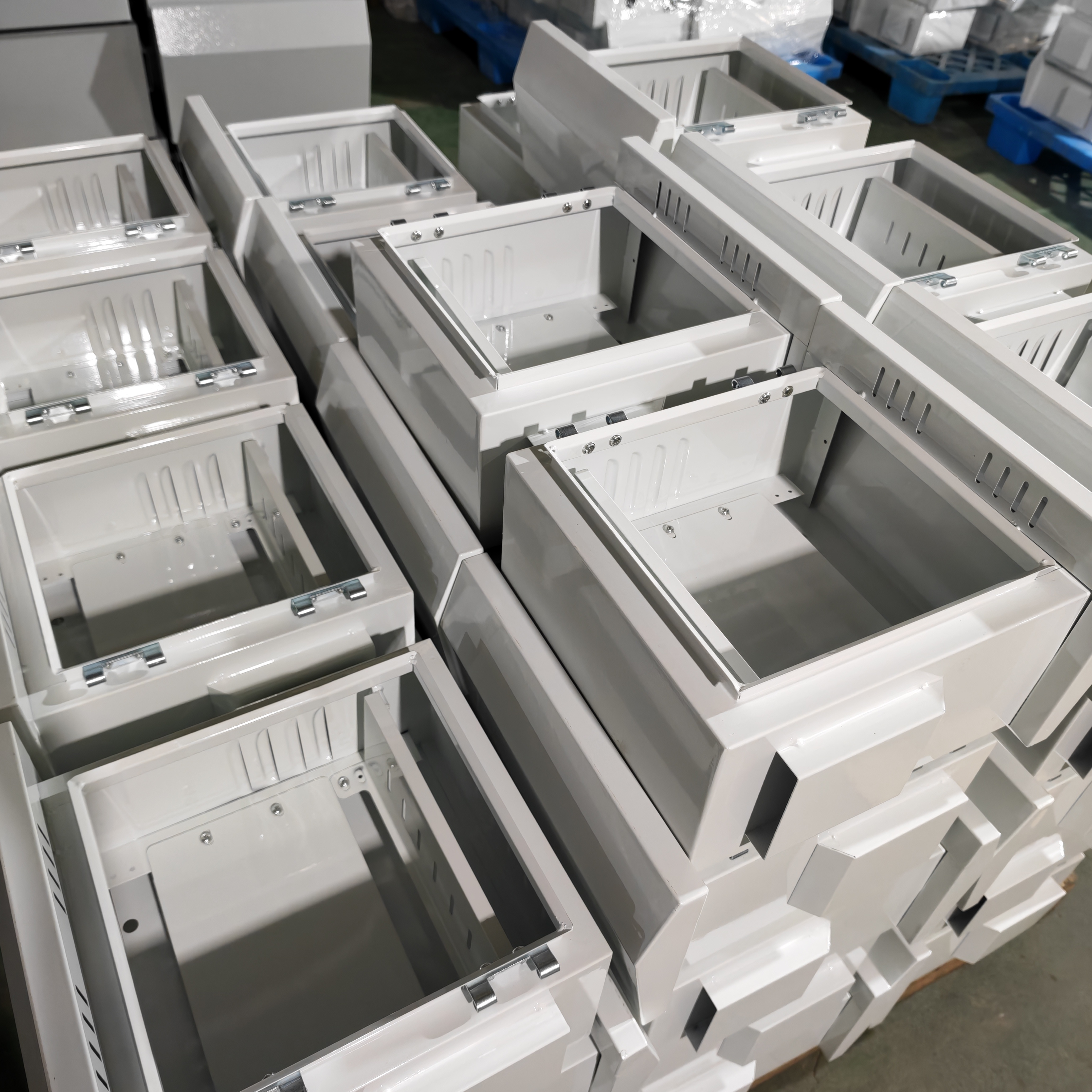
The batch of PLC control cabinets runs to [quantity] units, fabricated to project drawings. The main customisation points are listed below.

  • Enclosure material: 316 stainless steel, matched to the corrosive conditions of a high-salinity coastal site.
  • Protection rating: IP54, IP55, IP56 and IP65 are all available; the rating for the project follows the technical specification.
  • Thermal design: enclosure dimensions are sized against total internal heat load and site ambient temperature, leaving thermal headroom for high-temperature duty.
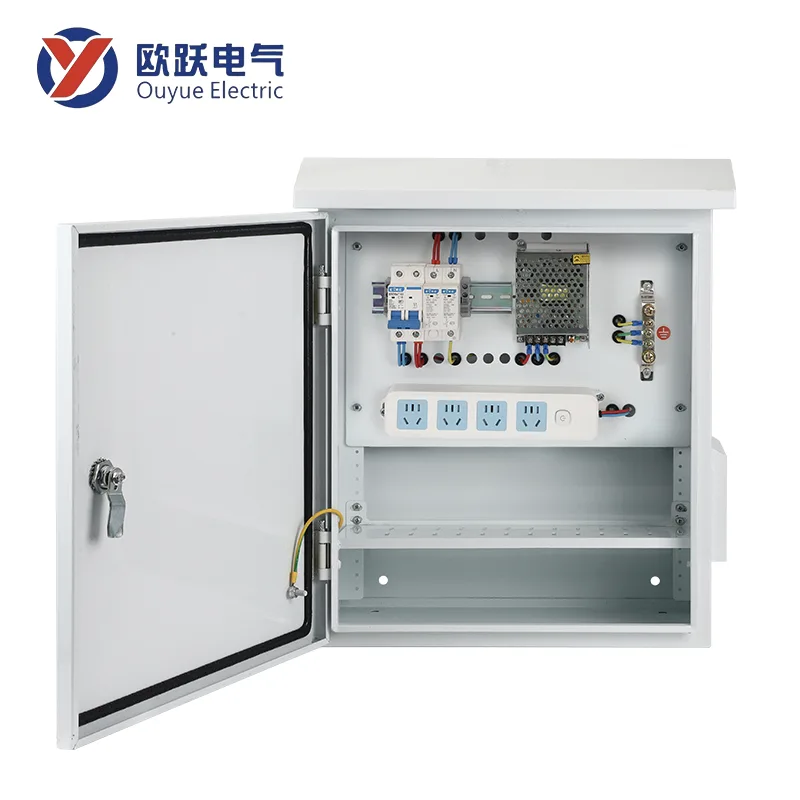
  • Cut-outs and layout: mounting positions and cut-out dimensions for variable frequency drives, PLC units and HMI panels are machined to drawing, with hole diameters and spacing checked item by item.
  • Internal separation: internal baffles are fabricated to drawing, separating power circuits from control circuits and leaving access for maintenance.
  • Marking: enclosure face markings and nameplate content follow the project naming rules.

Thermal design points for high ambient temperatures

At 45C to 50C ambient, the usable temperature rise inside an enclosure is compressed. Thermal design needs three items confirmed.

The first item is total internal heat load. Heat output from variable frequency drives, PLC units, power supplies and terminal blocks is added up item by item, and forms the base data for the thermal design.

The second item is the heat dissipation capacity of the enclosure itself. Enclosure dimensions, mounting method and surface finish all affect heat dissipation, and an outdoor enclosure also needs solar radiation gain taken into account.

The third item is the active cooling decision. Where natural convection and surface dissipation cannot meet the requirement, installation provisions for ventilation, heat exchange or cooling need to be reserved. A shade canopy over the enclosure and the choice of enclosure colour also affect internal temperature.

Delivery and acceptance checks

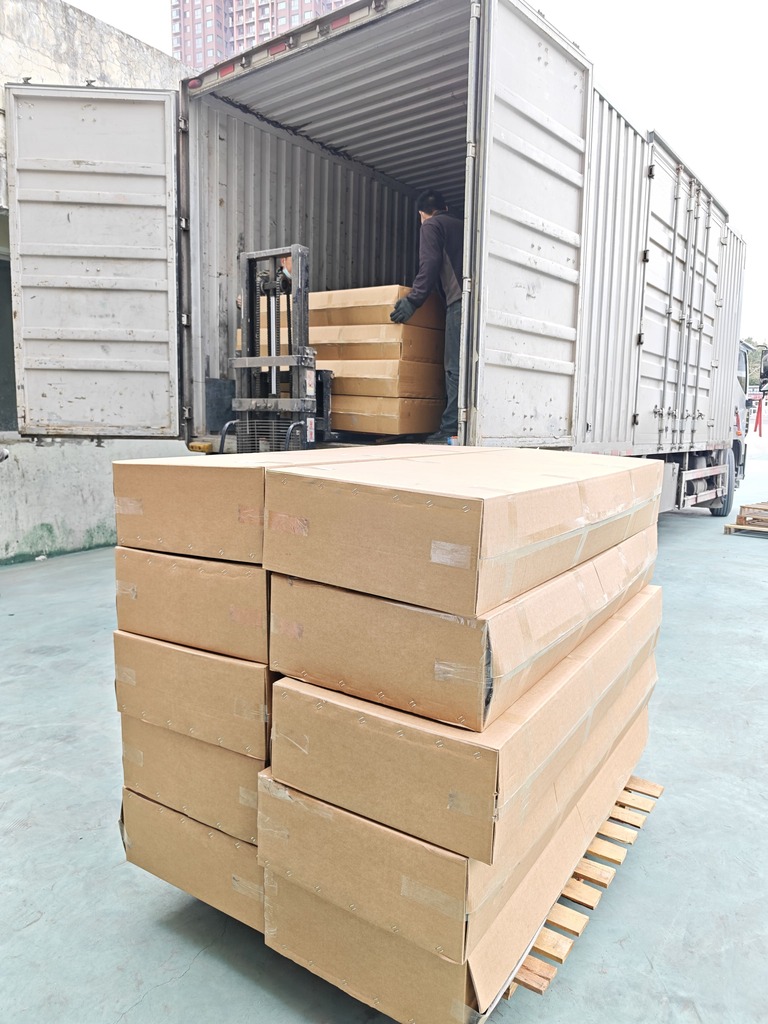
The batch of PLC control cabinets is fabricated to drawing and delivered in stages. Five items are checked before dispatch.

  • Enclosure external dimensions, sheet thickness and material certification.
  • Cut-out position, diameter and quantity, checked against the drawings item by item.
  • Internal baffle positions and mounting method.
  • Enclosure face markings and nameplate content.
  • Protection rating and CE certification documents.

Installation windows on desalination projects are usually short, and checking drawings before dispatch works better than correcting on arrival.

Ouyue Electric manufacturing capability

Ouyue Electric (Zhejiang Ouyue Electric Co., Ltd.) supplies custom PLC control cabinet enclosures in cold-rolled steel, 304 stainless steel and 316 stainless steel, with protection ratings available in IP54, IP55, IP56 and IP65, a minimum order of 10 units, CE certification, and drawing-based customisation of enclosure size, cut-out positions, internal baffles and marking.

Full specifications appear on the metal distribution box product page  and the stainless steel distribution box product page .

Frequently asked questions

Which enclosure material suits a desalination project?

316 stainless steel suits coastal high-salinity conditions. Grade 316 contains molybdenum and resists chloride pitting better than grade 304. A dry indoor area can use cold-rolled steel with a powder coating.

Which protection rating does an outdoor PLC control cabinet need? 

Ouyue Electric can supply IP54, IP55, IP56 and IP65. The rating follows the project specification and the mounting location, and an outdoor or high-humidity position calls for a higher rating.

How is a control cabinet cooled in high ambient temperatures? 

Start with the total internal heat load, then confirm the dissipation capacity of the enclosure size and mounting method, and finally decide whether active cooling is needed. An outdoor enclosure also needs solar radiation gain added.

What is the minimum order for custom PLC control cabinets? 

The minimum order is 10 units, with drawing-based customisation of enclosure size, cut-out positions, internal baffles and marking.

To discuss a custom PLC control cabinet for a specific site environment, or to request a drawing-based quotation, send the drawings and project requirements to the enquiry form . The Ouyue Electric technical team replies with confirmation of material, protection rating and cut-out proposals.

Related News
Leave me a message
X
We use cookies to offer you a better browsing experience, analyze site traffic and personalize content. By using this site, you agree to our use of cookies. Privacy Policy
RejectAccept