Thailand, as the second-largest economy in Southeast Asia, is experiencing steady growth in its power distribution equipment market. According to industry reports, the Thai switchgear and distribution panel market was valued at approximately $214 million in 2025 and is projected to reach $2.45 billion by 2032, with a compound annual growth rate (CAGR) of 3.3%. The distribution panel market in Thailand is expected to expand continuously from 2025 to 2031 at a CAGR of 6.3%.
In the electrical cabinet segment, the Thai market also shows robust growth, with rising demand for various types of cabinets including wall-mounted and floor-standing models. Notably, waterproof cabinets are growing particularly rapidly—the pad-mounted cabinet market in Thailand is expected to grow at a CAGR of 7–9% between 2026 and 2035, with market capacity projected to double by the early 2030s compared to 2026.
Key drivers include increasing electricity consumption due to rapid urbanization and industrialization, government investments in digital infrastructure through initiatives such as "Thailand 4.0" and smart city programs, growing demand for efficient power distribution equipment driven by renewable energy expansion, and accelerating investments in electric vehicle infrastructure.
Thailand is located in a tropical region with consistently high temperatures and humidity throughout the year, and its rainy season brings concentrated and intense rainfall. These unique climatic conditions impose significantly higher requirements on outdoor electrical equipment compared to temperate countries.
Material Requirements: Carbon steel distribution enclosures are highly susceptible to rust and corrosion in Thailand's humid environment, often showing noticeable corrosion within 2–3 years. Thanks to its excellent corrosion resistance, 304 stainless steel has become the standard material for outdoor electrical projects in Thailand. For high-corrosion environments such as coastal industrial zones (e.g., along the Gulf of Thailand) and chemical plants, 316 stainless steel is the preferred choice.
Protection Level Requirements: Outdoor electrical equipment in Thailand must withstand high temperatures and offer superior waterproofing and dustproofing capabilities. IP65 protection rating (completely dust-tight and protected against water jets) is widely required for outdoor installations in the Thai market. In renewable energy and electric vehicle charging applications, demand for outdoor cabinets rated IP65 or higher is particularly prominent.
Certification Requirements: The Thailand Industrial Standards Institute (TISI) mandates compulsory certification for electrical distribution equipment. According to TIS 1436 Part 3-2564 (2021), distribution panels intended for operation by unskilled personnel must comply with this standard, which took effect on October 1, 2025. Additionally, general-purpose electrical enclosures must meet the TIS 899 series standards, closely aligned with IEC 60529 protection ratings and IEC 62208 empty cabinet specifications. The Provincial Electricity Authority (PEA) and Metropolitan Electricity Authority (MEA) have also established their own cabinet installation guidelines for grid-connected equipment. Our company can assist customers by providing technical documentation and sample support to facilitate TISI certification.
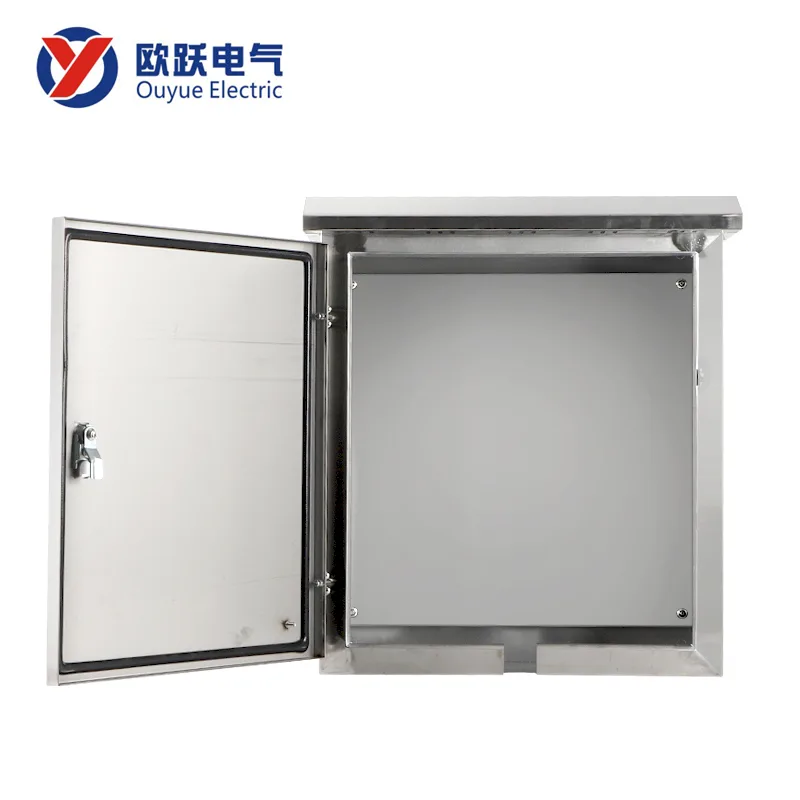
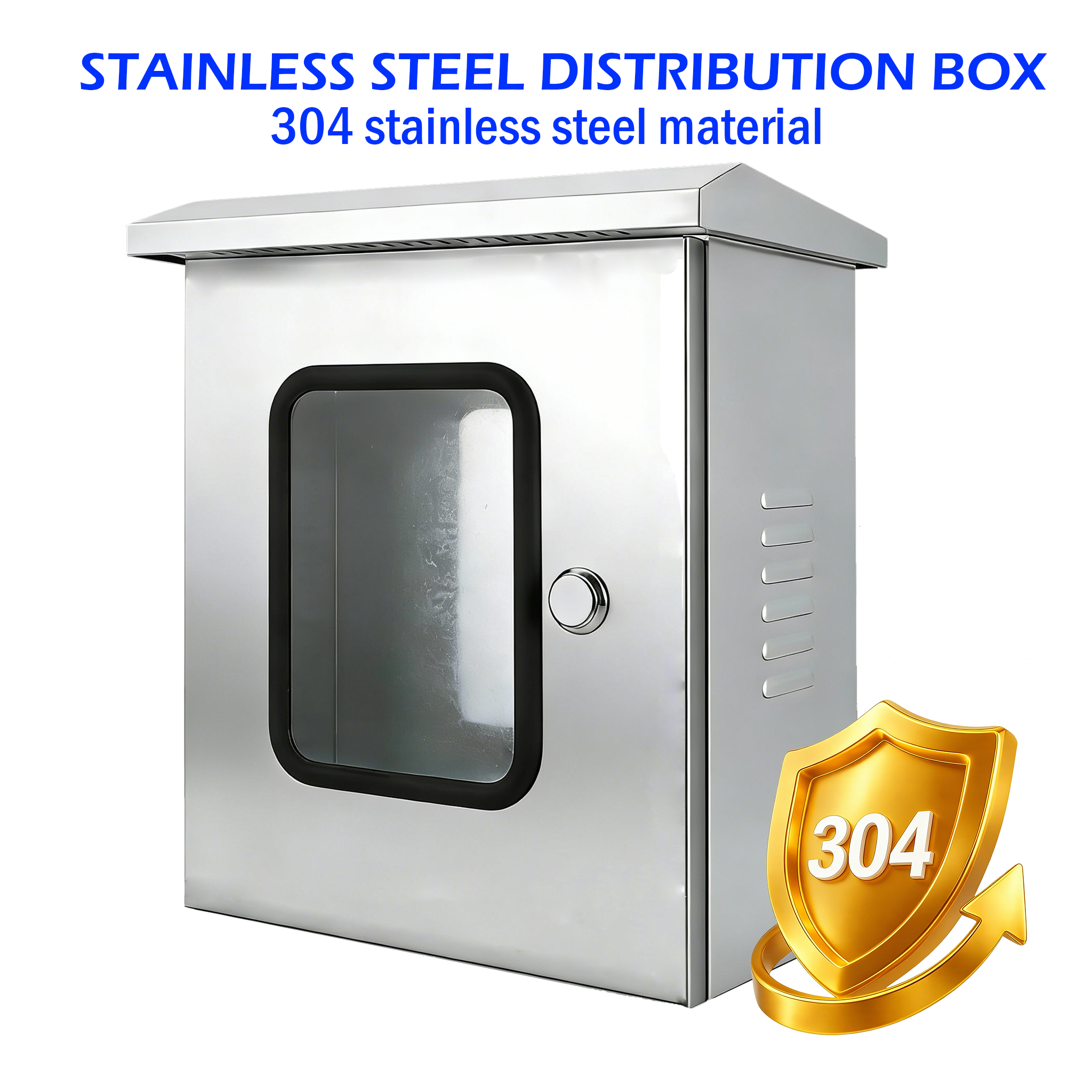
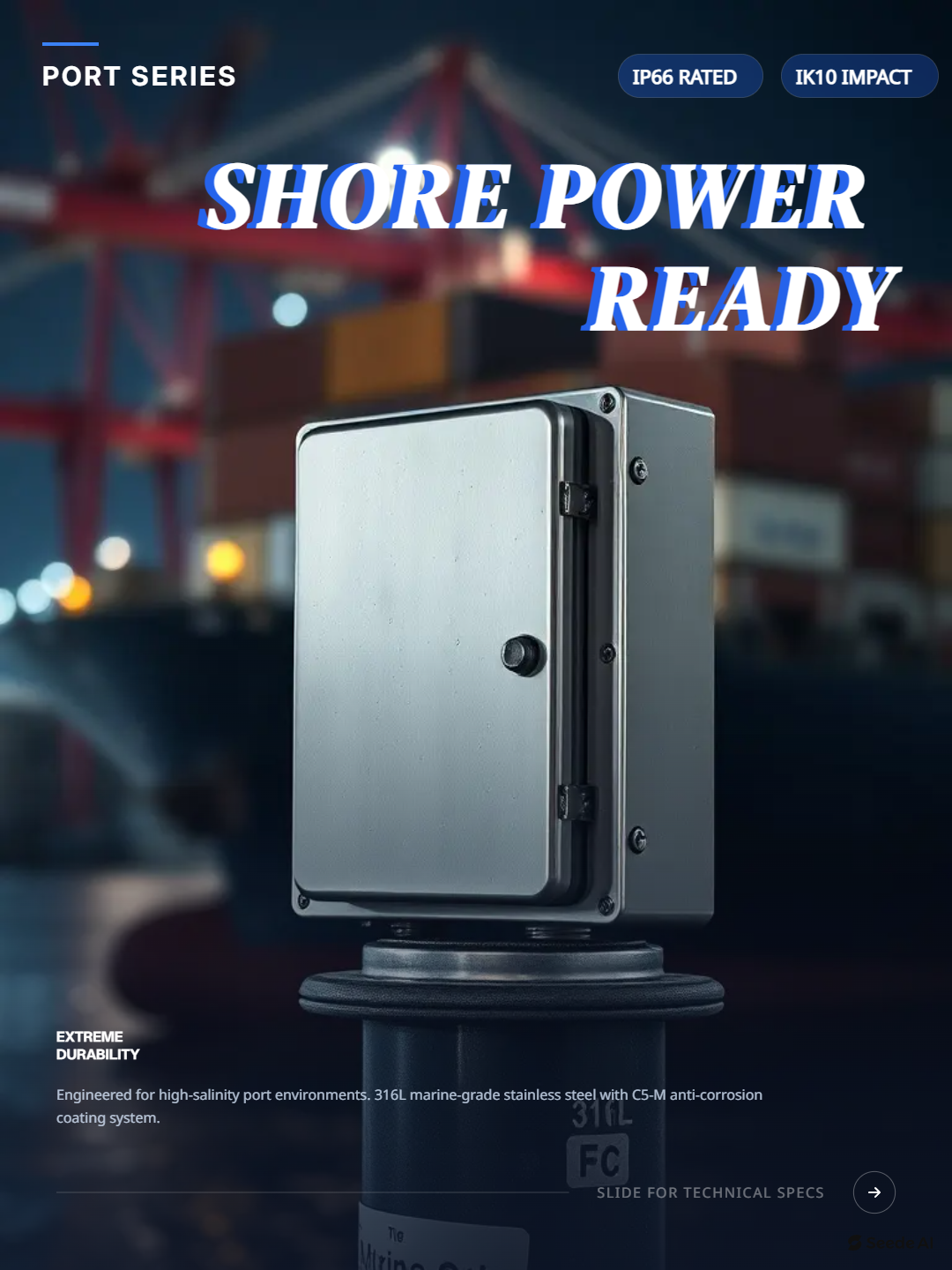
The 304 stainless steel outdoor rainproof distribution box shell exported to Thailand this time has fully taken into account the special demands of the Thai market in its structural design:
| Product Feature | Current Configuration | Design Consideration |
| Material | 304 Stainless Steel | Resists high humidity and salt-spray corrosion; suited to Thailand's tropical climate |
| Top Structure | One-piece bent rain shield | Effectively channels rainwater to withstand Thailand's frequent heavy monsoon rains |
| Protection Level | IP65 | Fully dust-tight and protected against water jets; meets outdoor installation requirements in Thailand |
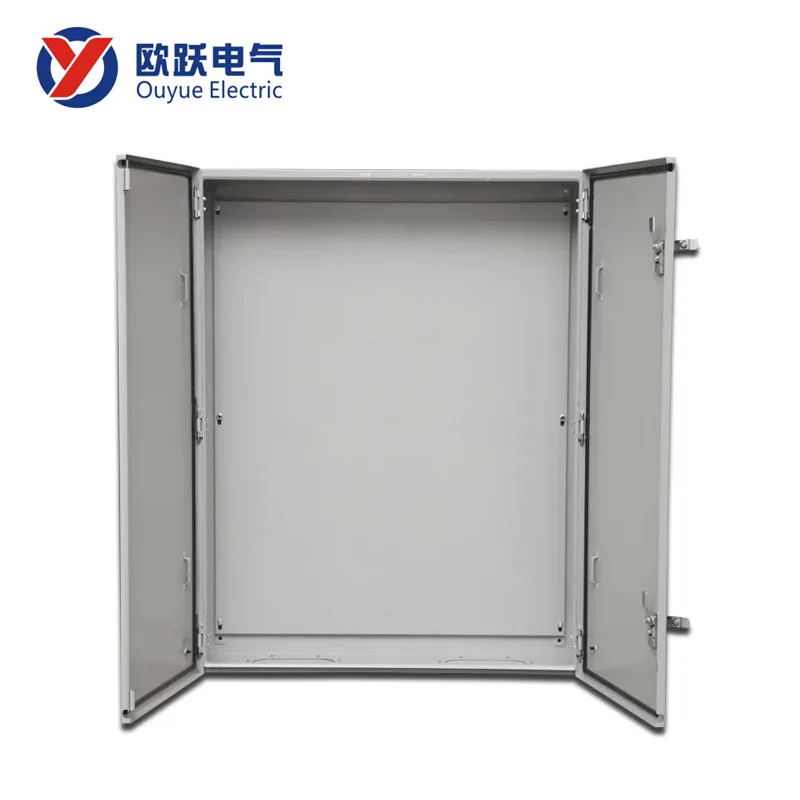
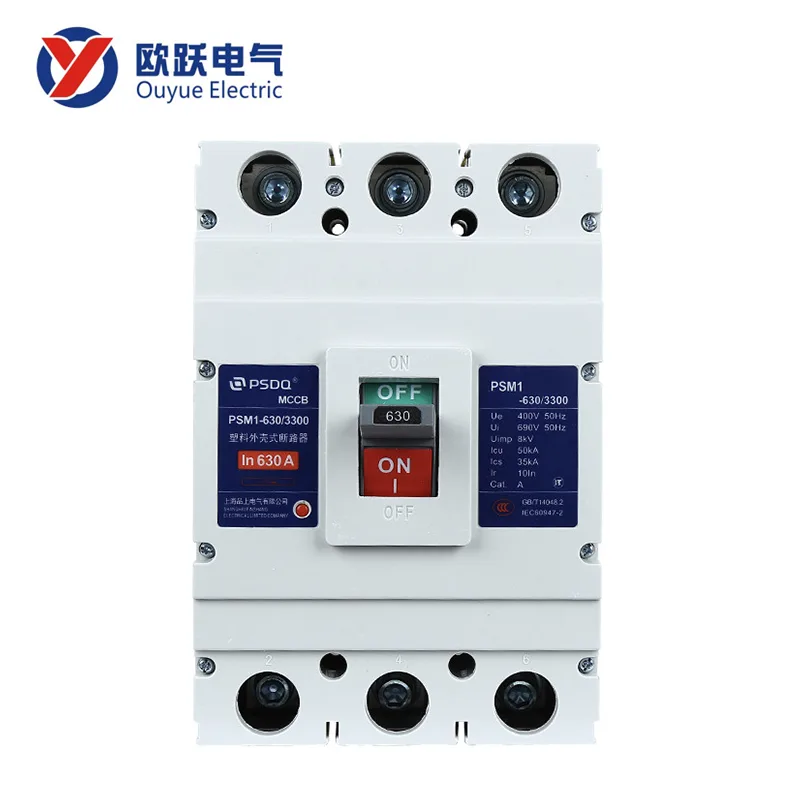
| Product Type | Distribution box enclosure (internal electricals not included) | Customers can configure breakers, contactors and other components themselves |
| Certification Support | CE Certified | Supports customers in completing local certifications such as TISI |
Design Key Points Interpretation:
304 Stainless Steel Material: Thailand experiences high temperatures and heavy rainfall year-round, with relative humidity consistently above 70%. Thanks to its excellent corrosion resistance, 304 stainless steel effectively protects the enclosure from damage caused by humid conditions. For more corrosive environments such as coastal industrial zones, 316 stainless steel is recommended.
Rain Deflector: From May to October each year, Thailand enters its rainy season, characterized by concentrated rainfall and frequent heavy downpours. The integrated top-bent rain deflector efficiently channels rainwater away from the sides of the enclosure, preventing water accumulation from seeping through door gaps and safeguarding internal components.
IP65 Protection Rating: Fully dust-tight and protected against water jets from any direction, this rating ensures reliable performance under typical outdoor conditions in Thailand, including daily rain exposure, washing, and high humidity. For applications requiring higher protection levels, customized solutions are also available upon request.
cene One: Renewable Energy and Photovoltaic Power Plants
Thailand is accelerating its transition to clean energy, aiming for carbon neutrality by 2050 and net-zero emissions by 2065. The growing trend of self-generation among households and businesses is driving solar-related businesses at a rate of 10–15%. Rooftop photovoltaics have become standard in industrial parks such as Bang Chak and Ratchaburi. With the upcoming implementation of Thailand’s new power development plan, further liberalization of rooftop solar will boost demand for energy storage and supporting distribution equipment. In the renewable integration sector—including PV power stations, wind farms, and battery storage system enclosures—demand is expected to account for 40–50% of total needs by 2035. The Energy Regulatory Commission of Thailand has approved several megawatt-scale battery storage projects, which require large outdoor enclosures with thermal management. The Thailand International Renewable Energy Exhibition (ASEW 2026) also highlighted the widespread use of distribution boxes in photovoltaic systems.
Scenario Two: Electric Vehicle Charging Infrastructure
Thailand’s electric vehicle market is expanding rapidly, driving a surge in demand for charging infrastructure. The tropical climate requires charging equipment to withstand high temperatures. As demand for DC fast chargers exceeding 60kW increases, the need for waterproof enclosure housings for outdoor charging stations continues to rise. Safety installation standards set by Thailand’s grid operators (MEA/PEA) explicitly require charging equipment to meet IP protection ratings suitable for high-temperature and humid environments. Installation costs for residential chargers range from 35,000 to 65,000 THB, including charger units, standard installation, and new metering fees.
Scenario Three: Infrastructure and Industrial Projects
Thailand is intensifying its large-scale infrastructure investments, with railway and highway projects, industrial parks, urban renewal initiatives, and new energy support facilities being launched simultaneously. Recent major projects have generated substantial demand for electrical distribution equipment, including: a 60 million THB contract awarded for the Thailand Data Center – Power Container project; a 38 million THB low-voltage switchgear project; bidding requirements for high- and low-voltage switchgear and distribution boxes at Hongtu Factory in Thailand; procurement of standard distribution boxes for China Electric Power Construction Group’s third-phase mechanical and electrical project in Thailand; and distribution box purchases for the Litai IoT Technology Industrial Park in Nong Bua Lam Phueng. The expansion of Thailand’s construction sector is fueling demand for heavy-duty electrical installations. It is projected that the low-voltage distribution system market in Thailand could grow by 30–50% in real terms between 2026 and 2035.
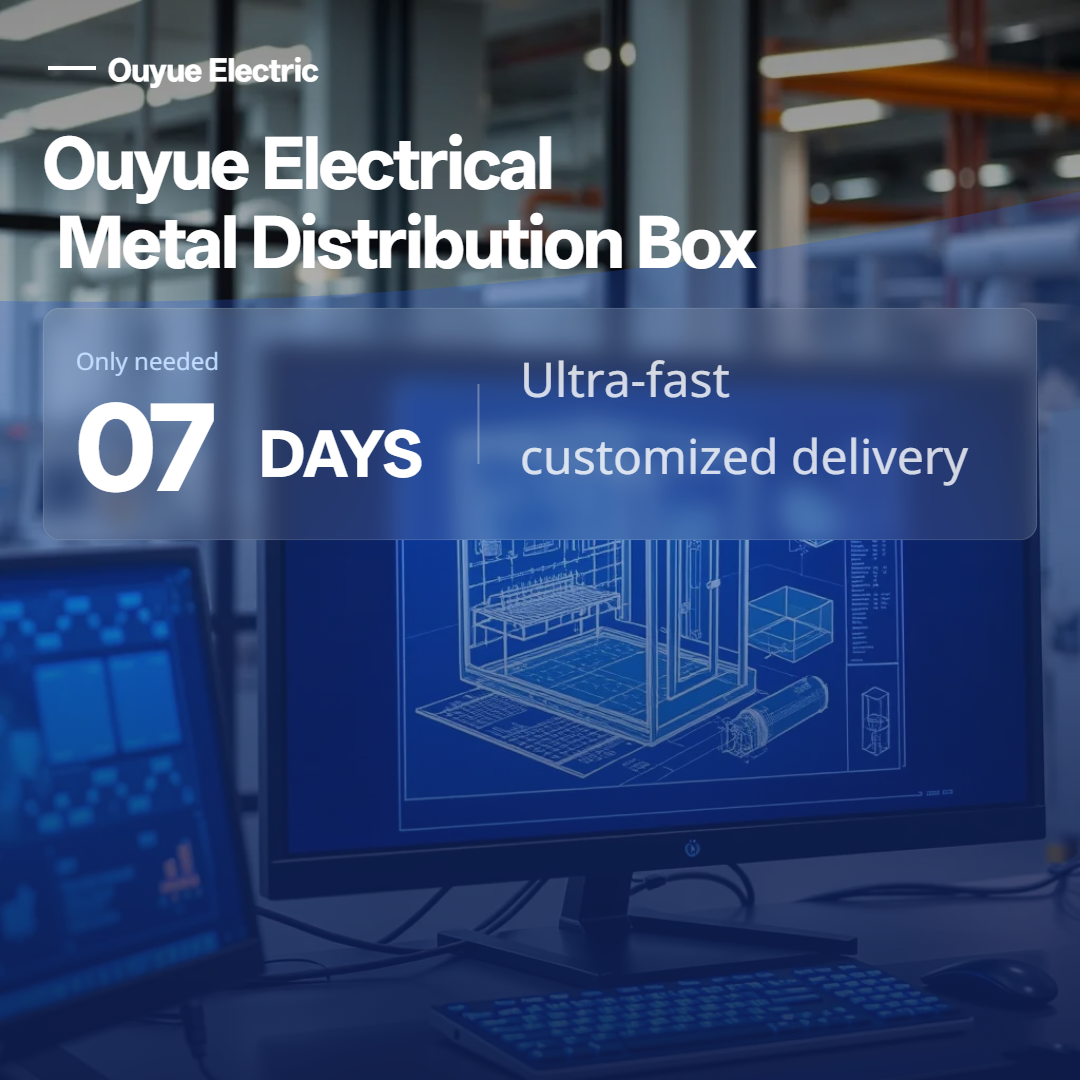
As a manufacturer, Ouyue Electric fully supports deep customization of outdoor waterproof distribution box enclosures for the Thai market:
Material customization: 304 stainless steel (standard) / 316 stainless steel (for high-corrosion environments)
Dimension customization: Any width × height × depth combination can be tailored to fit installation space
Rainproof structure customization: Rain shelter dimensions and angles adjustable according to drawings
Hole customization: Entry/exit cable holes can be precisely machined based on customer requirements
Color customization: Full range of RAL color codes available via powder coating (including colors preferred in the Thai market)
Label customization: Brand logo, Thai or English warning labels, and project numbers can be screen-printed
Question: What are the special requirements for outdoor distribution boxes in Thailand's tropical climate?
Answer: Thailand enjoys high temperatures and humidity throughout the year, with concentrated rainfall during the rainy season. Outdoor distribution boxes must have excellent corrosion resistance (304 or 316 stainless steel is recommended) and a high protection grade (IP65 is recommended). The Provincial Electricity Authority (PEA) and the Metropolitan Electricity Authority (MEA) of Thailand have specific requirements for the placement, grounding and cable introduction of grid connection equipment cabinets.
Question: Is your stainless steel distribution box suitable for photovoltaic power station projects in Thailand?
Answer: It's very suitable. The renewable energy sector in Thailand represents the greatest growth opportunity in the waterproof cabinet market. Our company's 304 stainless steel rainproof distribution box has an IP65 protection rating, is completely dust-proof and water-proof, and can adapt to the outdoor installation environment of photovoltaic power stations in Thailand. Battery energy storage systems (BESS) projects are currently the most important growth segment. Thailand has approved multiple hundred-megawatt-level energy storage projects, which require a large number of large outdoor cabinets with thermal management.
Question: Can your distribution box be used for electric vehicle charging piles in Thailand?
Answer: Yes. The charging infrastructure for electric vehicles in Thailand is expanding rapidly. The safety installation regulations of the Power Grid Operating Authority of Thailand (MEA/PEA) require that charging equipment have an IP protection level that can adapt to high-temperature/humid environments. The enclosure protection grade of our company's stainless steel rainproof distribution box reaches IP65, fully meeting the installation requirements of outdoor charging piles.
Question: What is the minimum order quantity? How long does it take to make a sample?
Answer: The minimum order quantity for customized products is 10 units, and the sample-making cycle is 3 to 5 days. For long-term cooperative distributors and engineering contractors, annual framework agreements can also be signed to enjoy more flexible quantity ladders and price protection.
Global engineering contractors, distributors and importers are welcome to call or consult through the independent website form to obtain customized solutions and bulk quotations. Our company offers free sample making (bulk return), technical selection support and regional agency policies. We look forward to establishing a long-term cooperative relationship with you.